
Plants
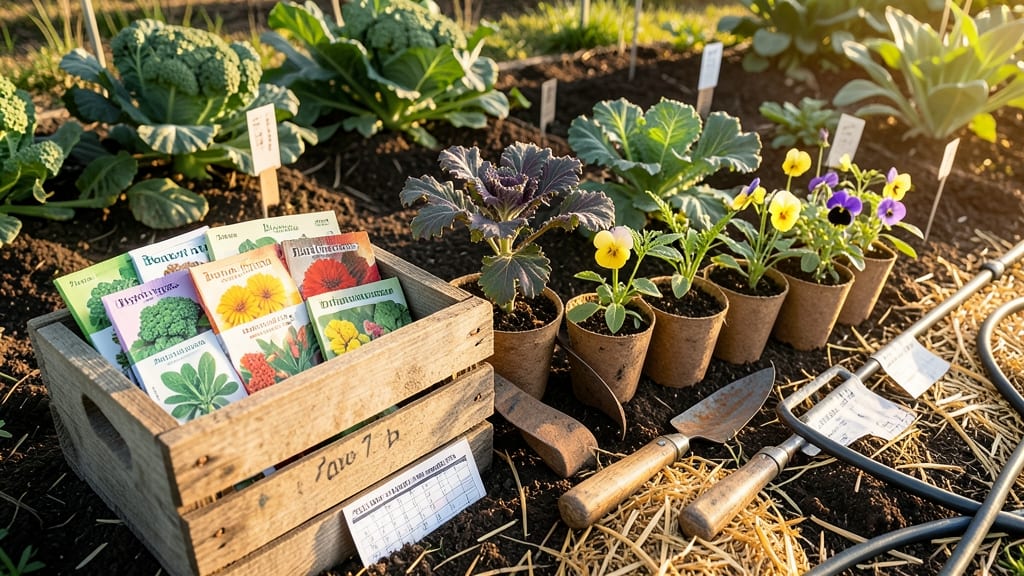
Knowing when to plant in Zone 7a means timing cool-season crops like spinach and kale in early spring (March) and fall (September), while warm-season favorites like zucchini and basil should wait until soil warms to 60°F in April–May. Your local frost dates can shift planting windows by weeks, so always verify before digging in.
Zone 7a's planting schedule isn't one-size-fits-all because microclimates create big differences.
For example, a valley location might see last frosts in early April, while higher elevations could still have chilly nights in May. 🌱 I've found that checking your county's USDA Plant Hardiness Zone Map and tracking local weather patterns for 3 years gives you the most accurate picture.
Even within the same zip code, a south-facing garden warms up faster than a shady spot—so test your soil temperature with a simple thermometer before planting warm-season crops.
Pro tip: Use frost cloth to extend your growing season by 2–4 weeks for cool-weather crops, or opt for cold-hardy varieties like 'Early Girl' tomatoes that tolerate light frosts. The key is matching your planting to both air and soil temperatures—never just the calendar date.
💡 In This Article
- Zone 7a Frost Dates and Microclimate Adjustments
- Best Planting Calendar for Zone 7a Crops
Zone 7a frost dates and microclimate adjustments
Zone 7a's frost dates aren't fixed numbers—they're averages that can shift dramatically based on elevation, proximity to water bodies, and urban heat islands.
For example, the average last spring frost for Raleigh, NC (Zone 7a) is April 15, but in the nearby Piedmont region, it can occur as early as March 20 or as late as May 5.
This variability happens because cold air settles in low-lying areas first, while hilltops may stay frost-free longer. 🌡️ The USDA's frost maps show averages, but your actual last frost could be 2-3 weeks earlier or later depending on these microclimates.
Soil temperature is equally critical—most warm-season crops need soil at 60°F for 10+ days before planting, while cool-season crops can handle 40-50°F soils.
I recommend using a soil thermometer to verify: in my Zone 7a garden, soil at 6 inches deep reached 60°F on April 22 one year but not until May 8 the next, despite identical air temperatures.
This inconsistency explains why seed packets often say "plant after last frost" without specifying soil conditions.
Local weather patterns create another layer of complexity. Coastal areas like Norfolk, VA (also Zone 7a) experience moderating ocean breezes that delay first fall frosts until November 15, while inland areas may see frost by October 15.
To refine your schedule, track your local frost dates for 3 years—this gives you a more reliable picture than relying on averages. Many gardeners use frost-free date calculators that incorporate historical data from nearby weather stations.
Urban microclimates add another variable: pavement and buildings create heat islands that can push last frost dates 1-2 weeks later in cities compared to rural areas.
For instance, downtown Atlanta's Zone 7a gardens might safely plant tomatoes by April 10, while suburban areas 10 miles away could still have frost risks.
This is why professional growers often test their microclimates by planting frost-sensitive crops like basil as early as possible and covering them with frost cloth when needed.
Even within your own yard, microclimates exist. South-facing slopes warm up 2-5°F faster than north-facing areas, while low spots collect cold air and frost longer. I've seen lettuce thrive in a south-facing bed in March while the same variety bolted in a shaded spot just 20 feet away.
The solution? Divide your garden into zones based on sun exposure and test each area separately for 1-2 weeks before planting warm-season crops.
For the most precise timing, combine three data points: your county's average frost dates, your 3-year local records, and your specific microclimate observations.
This layered approach explains why some Zone 7a gardeners successfully plant tomatoes in March while others wait until May—it's not just about the zone number, but understanding how your specific location behaves within that broader classification. 🌿