
Plants
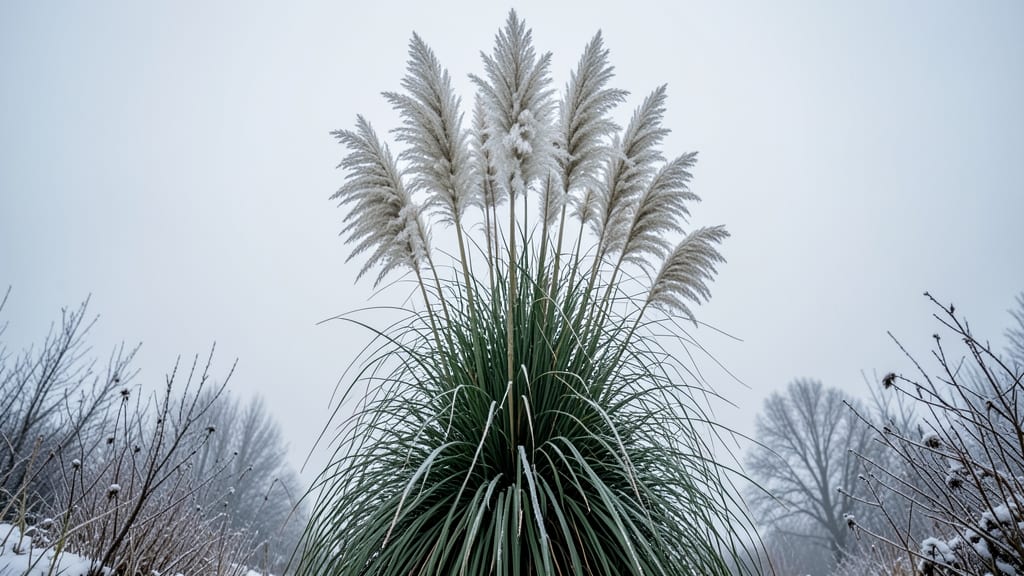
Zone 6 gardeners need ornamental grasses that survive harsh winters and bring texture to landscapes year-round. These 10 cold-hardy perennials offer striking colors, low maintenance, and wildlife benefits while thriving in your climate.
Little Bluestem for Native Prairie Gardens
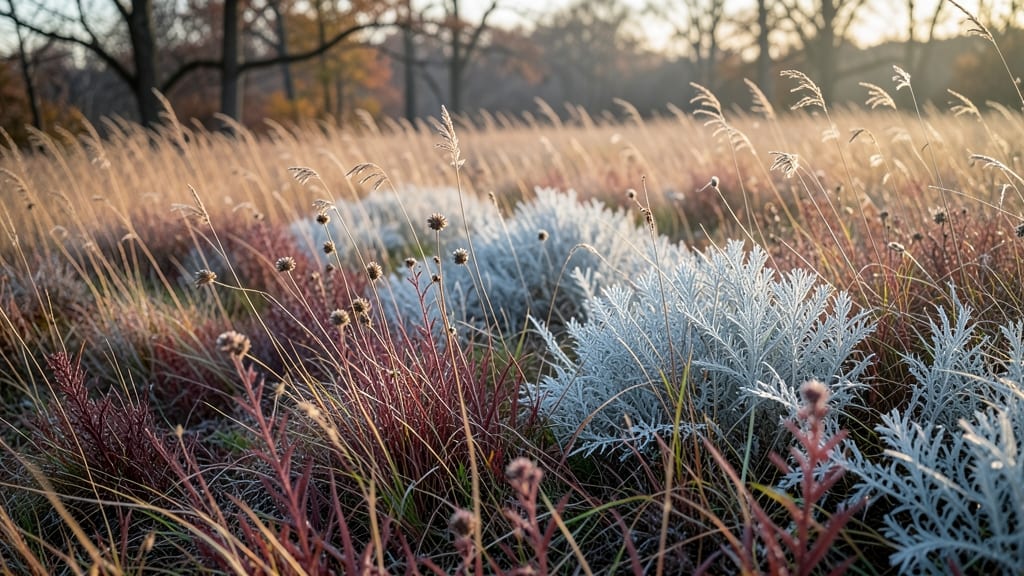
Transform your Zone 6 garden into a low-maintenance prairie oasis with Little Bluestem (Schizachyrium scoparium), a drought-tolerant native grass that thrives where others fail. Its burgundy fall foliage shifts to stunning blue-gray by winter, offering year-round visual interest while supporting pollinators and stabilizing soil.
This hardy grass adapts to poor, dry soils and requires minimal water once established, making it ideal for slopes or erosion-prone areas. Plant in full sun for best color, and let the seed heads stand through winter for wildlife—birds love the shelter, and bees adore the late-season blooms. Divide clumps every 3-4 years to maintain vigor.
Perfect for native plant gardens, pollinator habitats, or as a textural accent in borders, Little Bluestem brings effortless beauty with zero fuss. 🌟
Feather Reed Grass for Wet Areas
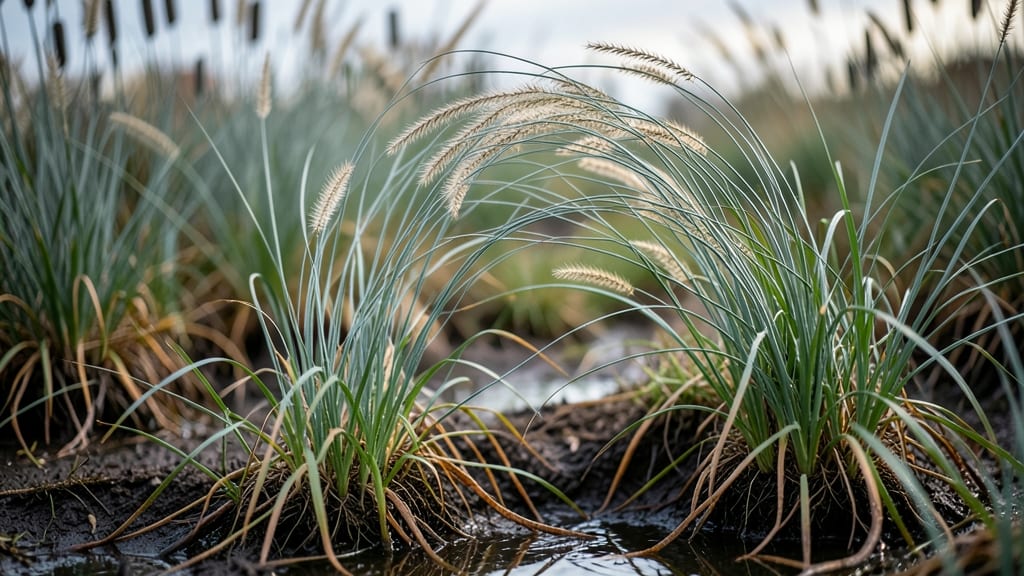
Turn those soggy corners of your garden into a stunning wetland oasis with Feather Reed Grass (Calamagrostis acutiflora). Unlike most grasses that wilt in waterlogged soil, this zone 6 superstar thrives in boggy conditions where others fail, offering elegant arching plumes that dance in the breeze.
Plant it in full sun to partial shade along ponds, rain gardens, or low-lying areas where water pools. Its delicate seed heads catch morning light beautifully and provide late-season food for birds. Simply cut back old growth in early spring to encourage fresh growth—no fuss, just stunning results.
Perfect for gardeners with wet soil challenges or those wanting to attract wildlife, Feather Reed Grass adds movement and texture without demanding perfect drainage. 🌿
Miscanthus 'Malepartus' for Dramatic Height
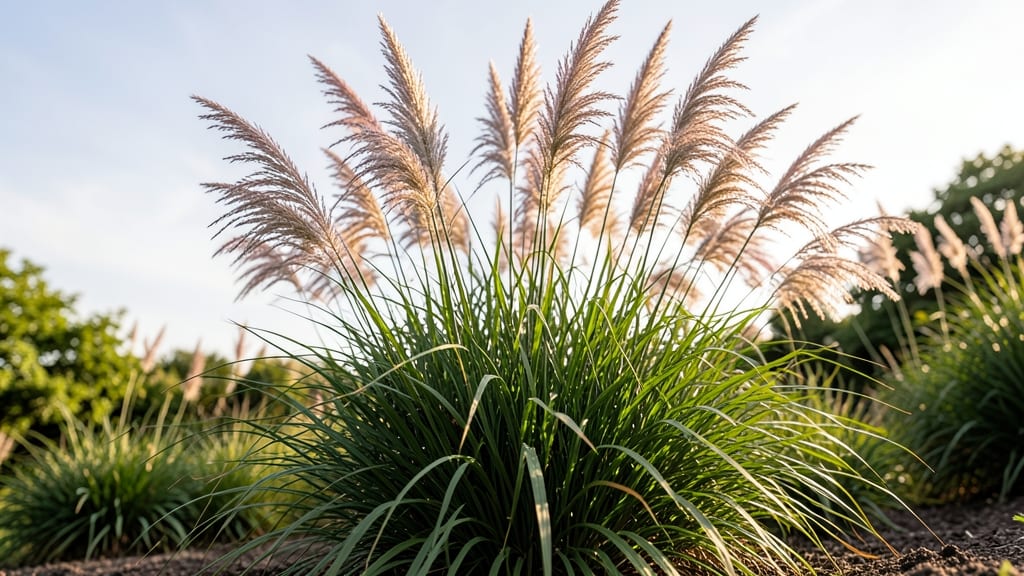
Tired of ornamental grasses that max out at 4 feet? Miscanthus 'Malepartus' shatters height expectations by soaring to 10 feet—making it the perfect statement piece for privacy screens or bold focal points in your Zone 6 garden.
This clumping bamboo relative thrives in full sun with well-drained soil, and its fiery red fall foliage outshines any other grass. Plant it in groups of 3-5 for maximum impact, spacing them 5-6 feet apart to allow for their dramatic growth. Unlike invasive bamboo, 'Malepartus' stays contained, and its airy seed heads add winter interest.
Ideal for modern landscapes or as a dramatic backdrop, this grass requires minimal care—just a late-winter cutback to the ground. Perfect for gardeners who want year-round structure without the fuss. 🌟
Blue Fescue for Compact Gardens
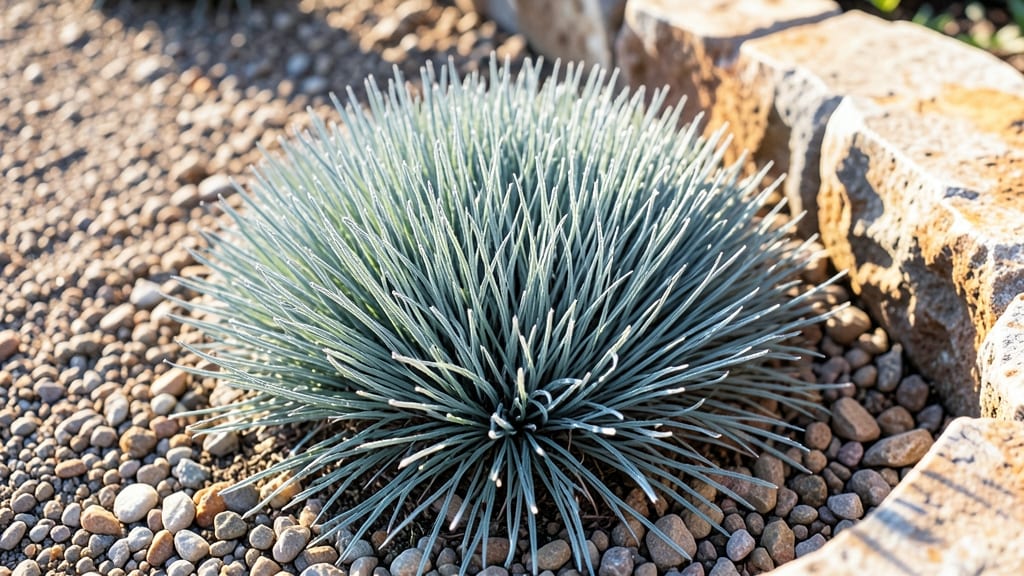
When space is at a premium, Blue Fescue (Festuca glauca) delivers a bold pop of color without taking over. This dwarf ornamental grass grows just 6-12 inches tall, making it ideal for rock gardens, container plantings, and tight borders where taller grasses can't fit.
Its steel-blue foliage stays vibrant year-round, even through Zone 6 winters, and thrives in full sun to partial shade. For best results, plant in well-draining soil and space clumps 8-12 inches apart. Prune lightly in early spring to maintain its compact shape—no heavy cutting required.
Perfect for urban gardeners and small-space enthusiasts, Blue Fescue adds texture and color with minimal effort. 🌿
Switchgrass for Wildlife Habitats
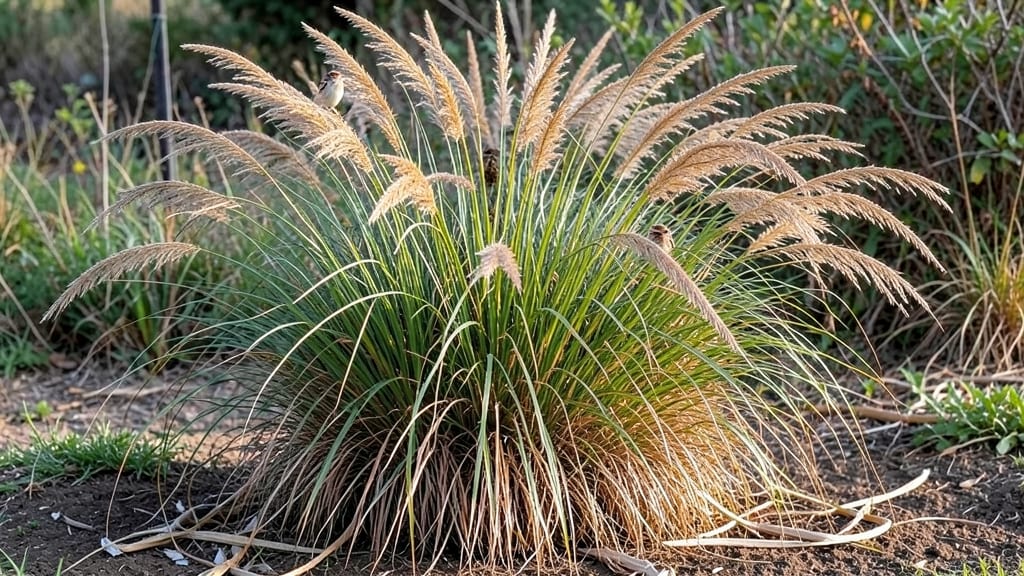
Want to turn your garden into a bustling bird sanctuary while keeping maintenance low? Switchgrass (Panicum virgatum) delivers year-round beauty and wildlife benefits without the fuss. Its airy, golden plumes provide shelter for songbirds and nesting materials, while the clumping habit creates natural windbreaks.
This native perennial thrives in full sun to partial shade and tolerates poor, dry soils once established. Plant in clumps of 3-5 for best effect, spacing them 18-24 inches apart. The seed heads remain attractive through winter, offering food for birds when other plants have faded. For maximum wildlife value, leave the seed heads until spring—birds will thank you!
Perfect for meadow-style gardens, prairie restorations, or even as a low-maintenance border, switchgrass proves that functional beauty doesn't require extra work. 🌻
Purple Moor Grass for Shade Tolerance
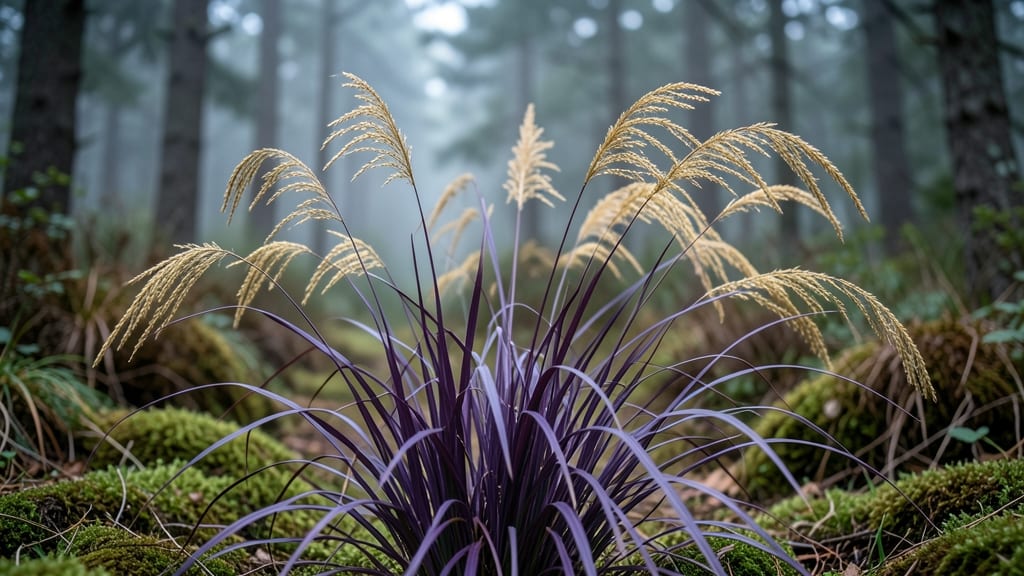
Tired of struggling to grow ornamental grasses in shady spots? Purple Moor Grass (Molinia caerulea) thrives where others fail, offering year-round interest with minimal fuss. This shade-tolerant beauty grows 3-5 feet tall, featuring deep purple stems that emerge in spring and transform to golden hues by winter.
Plant it in moist, well-draining soil under partial shade (2-6 hours of sun), where it creates a soft, airy texture that contrasts beautifully with hostas or ferns. Unlike sun-loving grasses, it won’t scorch in summer heat and handles Zone 6 winters with ease. For best results, divide clumps every 3-4 years to maintain vigor and spread.
Perfect for woodland gardens, rain gardens, or as a low-maintenance accent, Purple Moor Grass adds movement and color where few grasses dare to grow. 🌻
Maiden Grass for Asian-Inspired Gardens
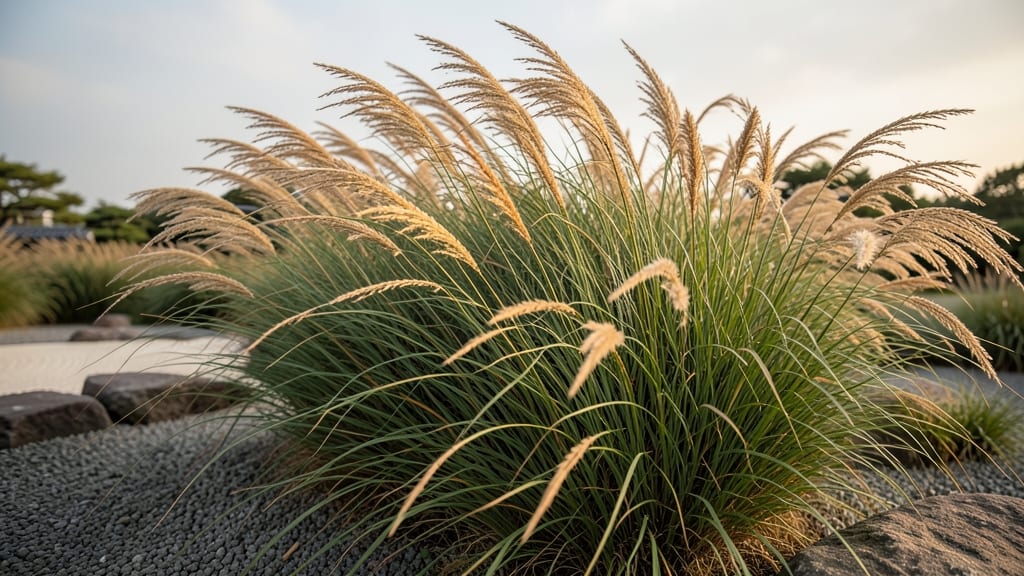
Bring the serene beauty of a Japanese Zen garden to your Zone 6 landscape with maiden grass (Miscanthus sinensis). Its elegant, arching forms and delicate golden seed heads sway gently in the breeze, creating a dynamic yet peaceful focal point that’s impossible to replicate with rigid shrubs.
This versatile grass thrives in partial shade to full sun and handles Zone 6 winters with ease, though its foliage may brown in cold snaps—simply cut it back in early spring to reveal fresh growth. Plant in clusters of 3-5 for a natural, flowing look, and pair it with stone pathways or moss to enhance its meditative appeal. The seed plumes add winter interest when most gardens fade to brown.
Perfect for gardeners seeking low-maintenance elegance, maiden grass requires minimal pruning and no fertilizing. It’s especially ideal for small spaces, containers, or as a border plant where its movement can be appreciated up close. 🌻
Tufted Hair Grass for Textural Contrast
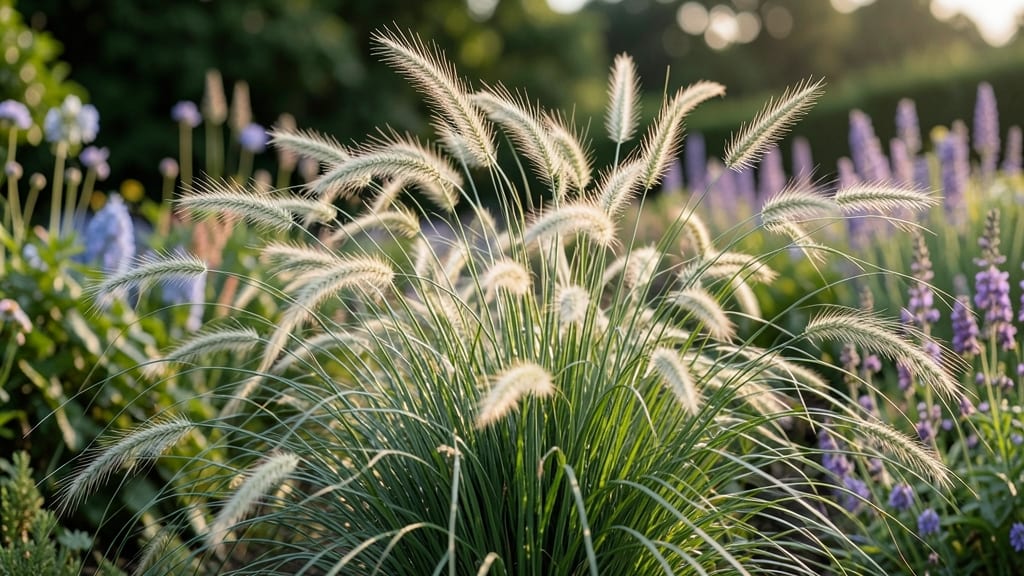
When your garden needs a soft touch to balance bold perennials, tufted hair grass (Deschampsia caespitosa) delivers delicate elegance with its fine, arching foliage and airy seed heads. This Zone 6-hardy grass thrives in partial shade to full sun, making it a versatile choice for cottage gardens, woodland edges, or mixed borders.
Its feathery plumes contrast beautifully with deep purple coneflowers, evergreens, or even dark foliage plants like heuchera. Plant in clusters of 3-5 for maximum impact, and enjoy its year-round interest—the seed heads persist through winter, adding texture when other plants have faded.
Perfect for gardeners who love subtle textures, tufted hair grass requires minimal care: just cut back old growth in early spring and water occasionally. It’s especially great for adding movement to still landscapes. 🌿
Prairie Dropseed for Pollinator Attraction
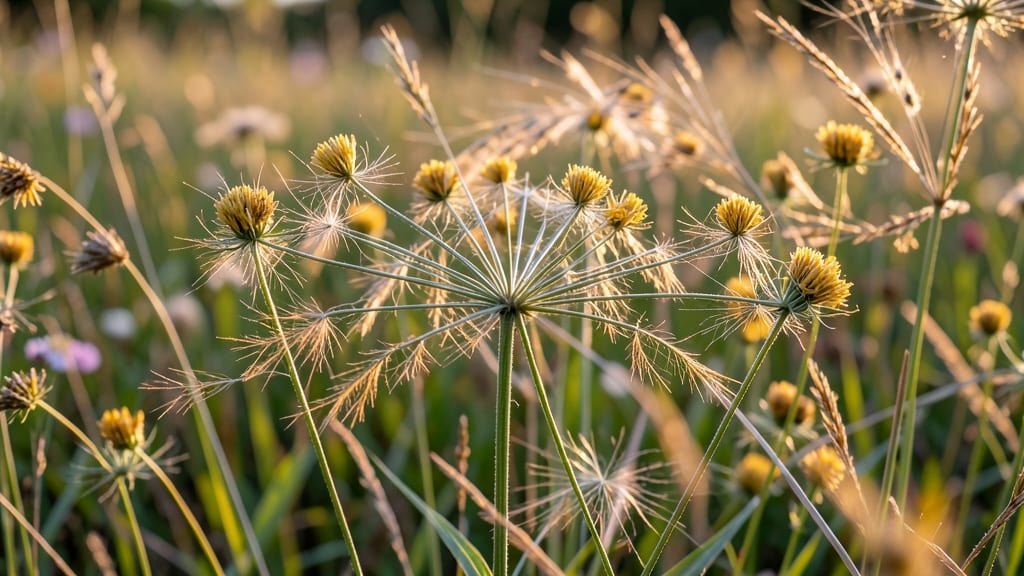
Looking to transform your garden into a buzzing hub for pollinators without extra watering? Prairie dropseed (Sporobolus heterolepis) delivers fragrant golden blooms that butterflies and bees adore while thriving on just one inch of water per week once established.
This native grass grows 2-3 feet tall with airy, bottlebrush-like flowers that release a sweet vanilla-like scent in late summer. Plant it in full sun to partial shade and well-drained soil—it handles drought, heat, and even poor soil conditions better than many ornamental grasses. For best results, shear back the foliage in early spring to encourage fresh growth.
Perfect for pollinator gardens, prairie dropseed also provides winter interest with its upright seed heads. Urban gardeners and beginners will appreciate its low-maintenance nature and ability to naturalize beautifully. 🌻
Hardy Pampas Grass for Winter Structure

When most gardens go dormant in winter, hardy pampas grass (Cortaderia selloana) stands tall with its feathery plumes, creating dramatic vertical lines that defy the cold. Unlike many grasses that fade into the background, this 8-foot giant becomes the star of your winter landscape while providing essential nesting materials for birds.
Plant in full sun with well-drained soil, spacing clumps 6-8 feet apart to allow their bold forms to shine. The silver-white plumes persist through snow, and while not fully hardy to Zone 6 without protection, most cultivars survive with a thick mulch layer around the base. Prune back old growth in late winter before new shoots emerge to maintain vigor.
This grass is ideal for gardeners who want year-round structure and wildlife value, though it's best suited for larger properties or as a focal point in mixed borders. 🌻