
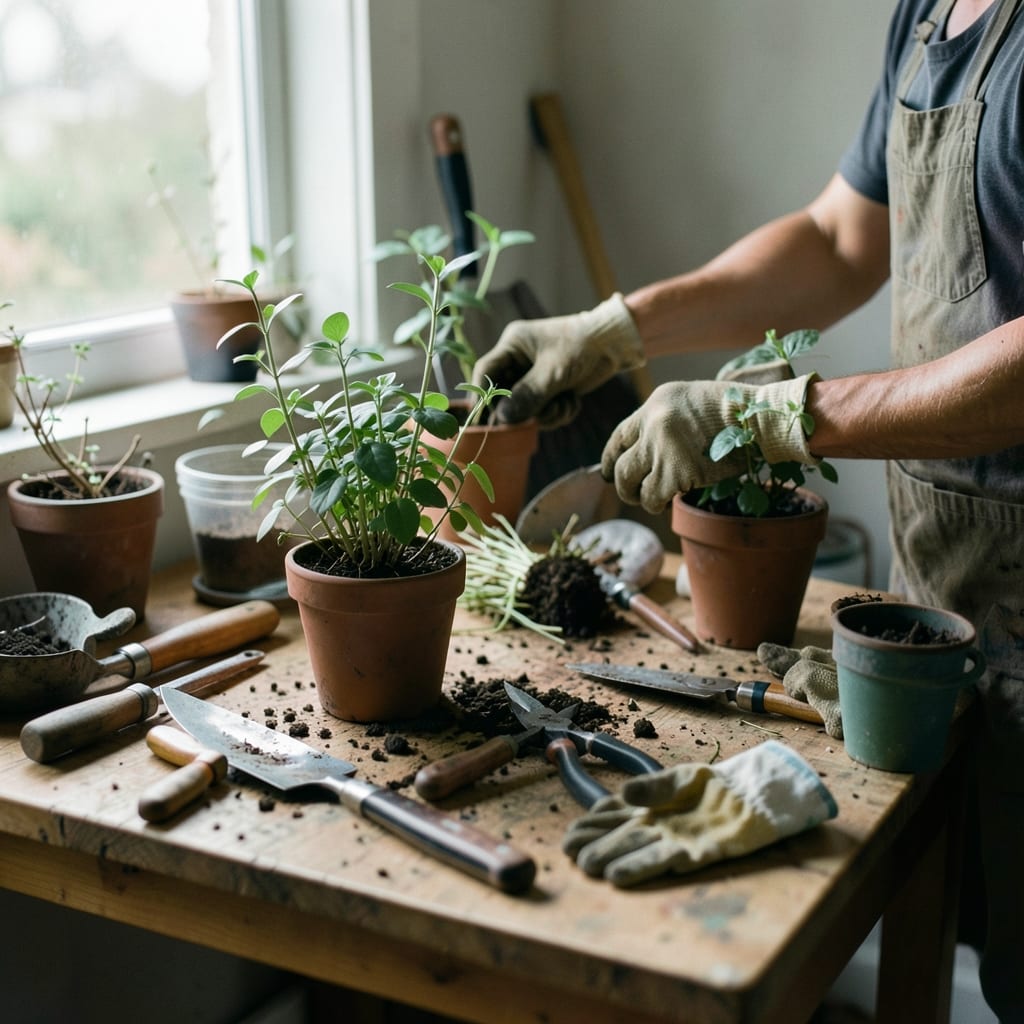
It started with one tomato plant that kept rotting from the bottom up
It was 2014, late May in Ohio, and I’d just planted my grandfather’s heirloom tomato seeds in a raised bed he’d built himself—‘the one with the south-facing slope,’ he’d said, like it mattered. The soil was rich, the sun was hot, and the seedlings came up strong.
But by June, the stems turned black at the base, the leaves curled, and the plants toppled over before they ever set fruit. I replanted the same seeds three times that summer, and every time, the same thing happened.
I blamed the soil first—maybe it was too wet, maybe not enough compost. Then I blamed the water: too much, too little, the wrong time of day. My grandfather just shook his head and said, ‘You’re planting too late.’ But I’d checked the seed packet.
It said ‘direct-sow after last frost.’ I’d even called the county extension office. They said I was fine. The plants still died.
The worst part? The ones that *did* survive produced fruit that split open before it ripened, like the vines couldn’t decide whether to hold on or let go.
I took photos of each collapse, scribbled notes in a notebook, and by August, I had a shelf of half-dead plants and a growing sense that gardening wasn’t just about dirt and sun—it was about *timing* in a way no chart or calendar could explain.
Nine tries before it worked
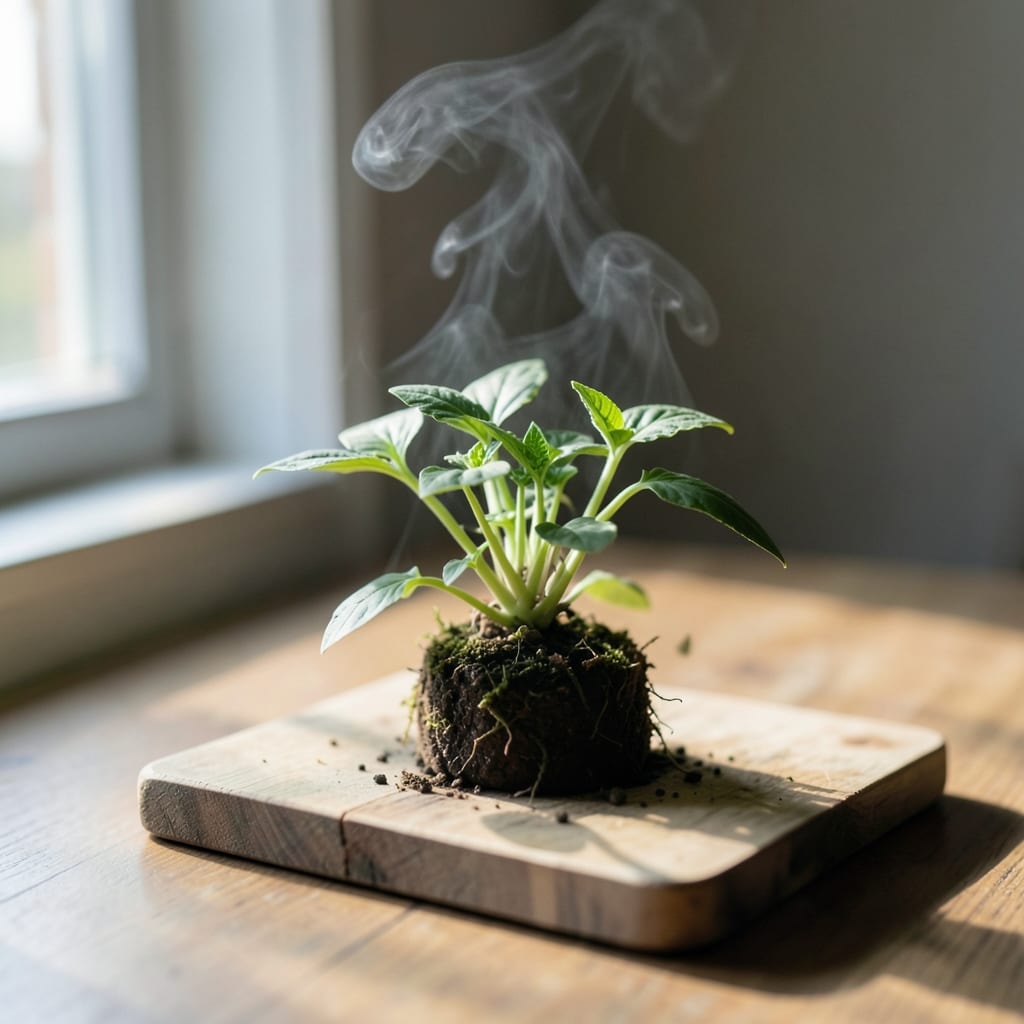
The tenth time, I ignored the seed packet. I ignored the extension office.
I ignored my grandfather’s ‘plant by the full moon’ superstition and instead dug up every tomato guide I could find, cross-referenced frost dates with soil temperatures, and mapped out the *actual* last frost in my backyard—not the average, but the year I was planting.
That year, it came two weeks later than the chart said. By the time I sowed, the soil was 68°F, not the ‘ideal’ 70°F, but close enough.
I also stopped watering from above. Instead, I buried drip lines at the base of each plant and set a timer for 90 seconds every morning. The first week, two seedlings still rotted.
The second week, I added a layer of straw mulch, but the heat trapped too much moisture—three more plants collapsed. On the fifth try, I switched to soaker hoses and raised the bed another inch. Still, the stems blackened at the soil line.
Then I remembered my grandfather’s old trick: a handful of crushed eggshells mixed into the planting hole. ‘Keeps the rot away,’ he’d say.
It wasn’t until the ninth attempt—using a soil thermometer to monitor temperature *and* moisture, planting deeper than the packet recommended, and finally accepting that my ‘south-facing slope’ was actually a microclimate that baked the roots—that the plants stayed upright. But the fruit still split.
So I pruned aggressively, staked them higher, and shaded the bed with cheesecloth during the hottest afternoons. Only then did the tomatoes stay firm until they ripened.
The mind behind these pages

That’s me—Sheldon Ingalls, the guy who spent a summer arguing with tomato plants while my grandfather watched from his porch, sipping sweet tea and muttering about ‘city folks.’ I’m the founder and editor here, which means I’m the one who still gets emails from people whose basil wilts overnight or whose zucchini vines turn yellow before producing a single fruit.
I don’t blame them. I’ve been there.
I’m the kind of person who takes notes during conversations, who replants the same failed experiment three times before admitting I might’ve missed something, and who once spent $80 on a soil pH test kit because I was convinced my peppers’ lackluster growth was chemical, not seasonal.
My grandfather called it ‘obstinate.’ My wife calls it ‘research.’ The county extension agent just sighs and sends me a new brochure.
I also collect old gardening tools—rusted pruners, cracked terracotta pots, a tarnished 1950s trowel my grandfather ‘borrowed’ from a neighbor and never returned. They’re all in a tool shed behind my house, waiting for the day I need to remember why a certain technique worked (or why it didn’t).
This site exists because I refused to let that tomato plant be the end of the story. It’s why every ‘tip’ here is backed by a failure, every ‘rule’ has an exception, and every ‘solution’ starts with *what went wrong first*.
Everything here is written the way that tomato plant was grown
The first draft of any page on this site is a mess of ‘what ifs’—notes scribbled after a season’s worth of trials, crossed-out advice, and half-finished experiments. The second draft is what survives after the failures are isolated, the variables controlled, and the ‘maybe it was the rain’ ruled out.
The third draft is what you read, but even then, it’s not set in stone.
Every year, I revisit the pages for crops I’ve grown since, adjust the timings for the actual frost dates, and update the warnings based on what *actually* happened in my garden—or in the gardens of the people who write in.
Take the ‘plant basil after the soil hits 70°F’ rule. It’s on this site now, but it wasn’t always. The first year, I planted at 68°F, and the seeds rotted. The second year, I waited until 72°F, and the plants bolted before they even flowered.
The third year, I tested every two-degree increment between 65°F and 75°F, watering some beds more, others less, and tracking which ones survived. The ‘70°F’ number is the average of the ones that *didn’t* fail—but the note about ‘bolting risk in hotter soil’? That’s the exception I couldn’t ignore.
This isn’t just about tomatoes or basil. It’s about the way I learned to garden: by planting the same thing nine times, changing one variable each attempt, and only calling it ‘done’ when the math of the soil, the sun, and the calendar finally aligned.
That’s how every page here is built—and why, if you try something and it doesn’t work, the answer isn’t ‘you did it wrong.’ It’s ‘let’s find out why.’
What that means for you
You’ll find no ‘plant these seeds on March 15th’ advice here without a footnote about how that date changes if you’re in a high-desert climate, a low-lying valley, or the same town but on the wrong side of a hill.
You won’t see a single ‘this always works’ claim—only ‘this worked in three out of five years, and here’s why the other two failed.’ And you’ll notice that the ‘tips’ section at the end of every guide isn’t just a list of do’s—it’s a list of *what to watch for*, because the first sign of trouble is usually the thing no one tells you to check.
What you *won’t* find is fluff. No ‘gardening is a journey’ metaphors, no before-and-after photos of ‘perfect’ beds, no step-by-step guides that assume you’ve already solved the problems they’re supposed to fix.
This site is for the person who’s already Googled ‘why are my leaves yellow’ three times and is ready for the answer that isn’t ‘add more fertilizer.’
Send us a photo, your location, and what you’ve tried so far. We’ll tell you what to check next—and whether it’s the soil, the sun, or the neighbor’s cat (yes, that’s a real problem). Your garden’s failures are how we keep these guides accurate.
The guides are grouped by category: Advice, Aphids, Blooming, Companion Plants, Container Gardens and Diseases.