
Planting
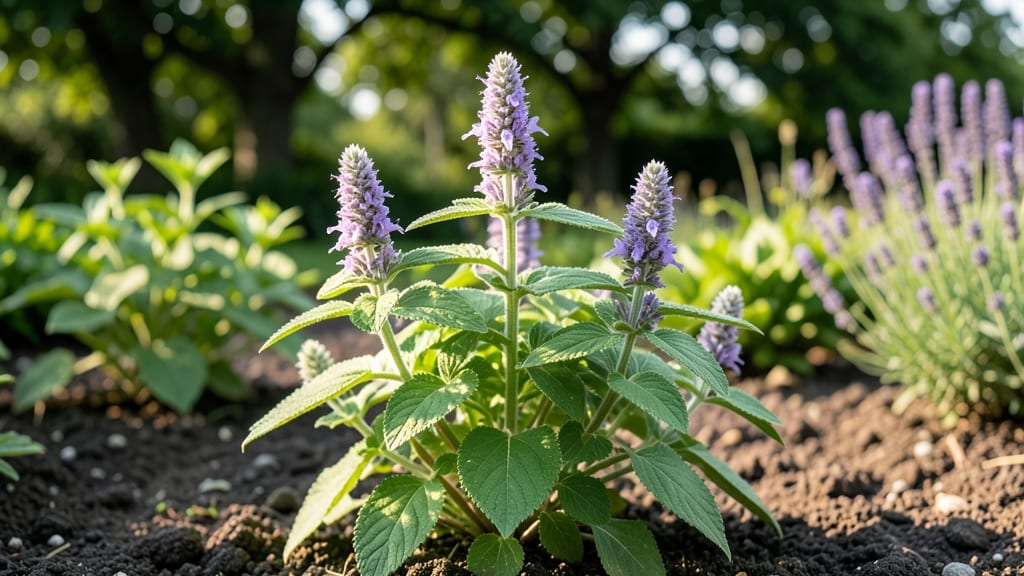
A live catnip plant for cats grows quickly from seed, reaching full potency in 4-6 weeks when leaves are harvested young. Cats typically react within minutes of exposure, with heightened excitement lasting 5-15 minutes before temporary immunity sets in.
Growing your own catnip plant gives you fresh leaves packed with nepetalactone—the compound that triggers that signature feline frenzy. 🌱 The secret to success lies in timing: harvest leaves just before they fully mature, around 4-6 weeks after sprouting, when their potency peaks.
This isn't just about waiting—you'll need well-draining soil and bright, indirect light to encourage fast, healthy growth. Once your plant's ready, expect your cat to go from curious sniffing to full-blown rolling within minutes, though their excitement will fade after about 10-15 minutes of playtime.
Here's the interesting part: cats develop temporary immunity after exposure, which is why many owners dry and store leaves for later use. I've found that alternating between fresh and dried catnip keeps my cats engaged longer—plus, it gives the plant time to regrow.
The key is patience: while the initial reaction is dramatic, regular exposure helps maintain that playful response over time.
💡 In This Article
- Catnip Plant Growth Stages and Best Harvesting Time
- How Cats Respond to Fresh Catnip: Behavior Patterns and Frequency
Catnip plant growth stages and best harvesting time
The catnip plant's journey from seed to peak potency follows a predictable botanical timeline. Germination begins within 7-14 days when planted in well-draining soil at 60-70°F, with seedlings emerging as delicate, hair-like sprouts.
During the first 2-3 weeks, the plant focuses energy on root development, producing small, oval-shaped leaves that contain minimal nepetalactone—the compound responsible for that feline frenzy. This early growth phase is critical because overwatering or poor drainage can stunt development, leading to weak stems and pale leaves.
By 3-4 weeks, you'll notice rapid vertical growth as the plant reaches its first major branching point. This is when the magic starts: the leaves begin producing higher concentrations of nepetalactone, though they're still not at peak potency.
The ideal harvesting window opens at 4-6 weeks, when leaves reach 1-2 inches long and develop a vibrant green hue with a slightly serrated edge. At this stage, the nepetalactone concentration peaks at about 0.3-0.5% of the leaf's dry weight—enough to trigger that signature catnip response.
Harvesting too late (after 6 weeks) causes the leaves to harden and lose potency as the plant shifts energy toward flowering.
Creating optimal growing conditions accelerates this process. Catnip thrives in 6-8 hours of bright, indirect sunlight daily, with well-draining potting mix that mimics its native Mediterranean habitat. A 10-inch diameter pot provides enough space for the first harvest, while maintaining consistent moisture (never soggy) prevents root rot.
The plant's natural growth habit—reaching 2-3 feet tall—means you can harvest the top 2/3 of the plant while leaving the lower leaves to regrow. This technique maintains continuous production for 3-4 harvest cycles before the plant needs replenishment.
What most people don't realize is how temperature affects nepetalactone production. While catnip grows in 50-80°F ranges, the sweet spot for maximum potency is 65-75°F. Cooler temperatures slow growth but concentrate the active compounds, while heat above 80°F can cause the plant to bolt (flower prematurely), reducing leaf quality.
This is why indoor growers often see better results with supplemental grow lights during winter months when natural light is limited. The plant's natural defense mechanism—producing more nepetalactone when stressed—means even slight variations in care can dramatically impact your harvest's effectiveness.
Harvesting technique matters just as much as timing. Use clean, sharp scissors to snip leaves just above a leaf node (the point where leaves attach to stems), which encourages bushier growth. The freshly cut leaves should have a crisp texture and emit a faint minty aroma—signs of optimal nepetalactone levels.
For immediate use with cats, simply pluck a few leaves and rub them between your fingers to release the oils. For longer storage, dry the leaves in a dark, well-ventilated area for 3-5 days before crumbling them into your cat's favorite toys or treats.
This preservation method maintains potency for 6-12 months, though the aroma becomes less intense over time.
The plant's natural lifecycle includes a fascinating twist: after 6-8 weeks of growth, catnip begins producing small white flowers that contain even higher nepetalactone concentrations than the leaves. However, these flowers mark the beginning of the plant's decline as it shifts energy toward seed production.
Many growers remove flower buds to prolong leaf production, though allowing some flowers to develop provides seeds for future plantings. This dual-purpose approach means your catnip plant can serve both immediate entertainment and long-term propagation needs.