
Planting
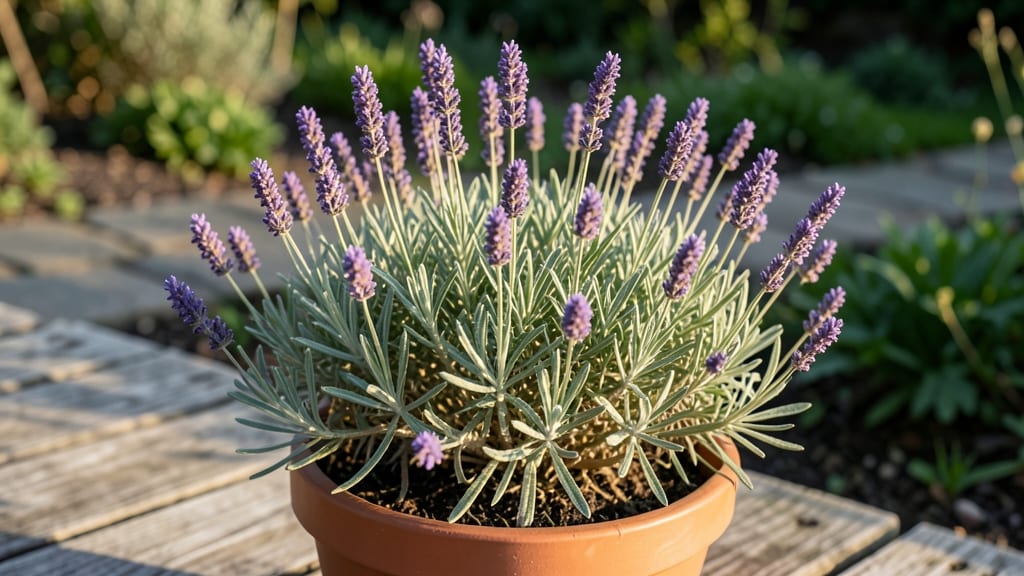
Perennial plants meaning they live for three or more years, returning annually with new growth from the same root system, unlike annuals or biennials that die after one or two seasons. Their hardiness and seasonal rebirth make them ideal for low-maintenance gardens.
Understanding perennial plants means recognizing their unique life cycle compared to other plants.
Unlike annuals that complete their entire life cycle in one season or biennials that take two years, perennials develop deep root systems that store energy, allowing them to survive harsh winters and regrow each spring. 🌱 This built-in resilience makes them perfect for gardeners seeking long-term beauty with minimal replanting.
For example, lavender and peonies thrive for decades with proper care, while their annual counterparts would need yearly replanting.
What truly sets perennials apart is their ability to adapt to seasonal changes. Many perennials enter dormancy during winter, conserving energy in their roots until warmer temperatures trigger new growth. This natural cycle reduces maintenance needs, as they don't require annual replanting or starting from seed.
The trade-off? Some perennials may need occasional division or pruning to maintain vigor, but the payoff is years of reliable blooms and foliage.
💡 In This Article
- How Perennial Plants Survive Year After Year
- Best Perennial Plants for Different Climates and Garden Styles
How perennial plants survive year after year
The core secret behind perennial plants lies in their sophisticated root systems, which function like underground energy banks. Most perennials develop extensive root networks that extend 12-36 inches deep, storing carbohydrates and nutrients produced during the growing season.
This stored energy allows them to push through soil and push new shoots upward even after winter dormancy. For comparison, annuals like marigolds only develop shallow roots that serve one growing season before dying back completely.
Dormancy is another critical survival mechanism. During cold months, many perennials enter a state where metabolic processes slow dramatically—sometimes by 90%—to conserve energy. Some species, like hostas, produce antifreeze proteins that prevent ice crystal formation in their cells at temperatures down to -20°F.
Others, such as daylilies, rely on thick, fleshy roots that act as water reservoirs during drought periods. This biological adaptation explains why perennials can return year after year while annuals must complete their entire life cycle within one season.
The seasonal adaptation process begins in late summer when perennials start converting leaf sugars into starches stored in roots. This transformation, known as "hardening off," prepares them for winter. When spring arrives, these stored reserves fuel rapid regrowth.
The result? A 50-70% faster recovery time compared to annuals that must germinate from seed each year. This biological efficiency is why established perennial gardens require less annual maintenance than annual flower beds.
Environmental resilience comes from both structural and chemical adaptations. Many perennials develop woody stems at their base (called crowns) that act as protective barriers against temperature fluctuations. Others produce chemical compounds that deter pests or inhibit competing weeds.
For instance, lavender's aromatic oils not only repel insects but also suppress fungal growth in surrounding soil. These built-in defenses create a self-sustaining ecosystem that annuals simply can't match.
Consider the contrast with biennials like carrots, which take two years to complete their life cycle. Biennials allocate energy differently—first building roots in year one, then flowering and setting seed in year two before dying.
Perennials, however, maintain a balanced energy budget year-round, never fully shutting down their root systems. This continuous cycle explains why established perennial gardens can thrive for decades with minimal intervention.
One fascinating example is the creeping thyme, which survives through a combination of shallow but extensive root systems and drought-resistant leaves. Even in poor soil conditions, it can regenerate from just a small root fragment left in the ground.
This resilience demonstrates how perennials have evolved to exploit their environments efficiently, making them the ultimate low-maintenance garden choice.