Planting
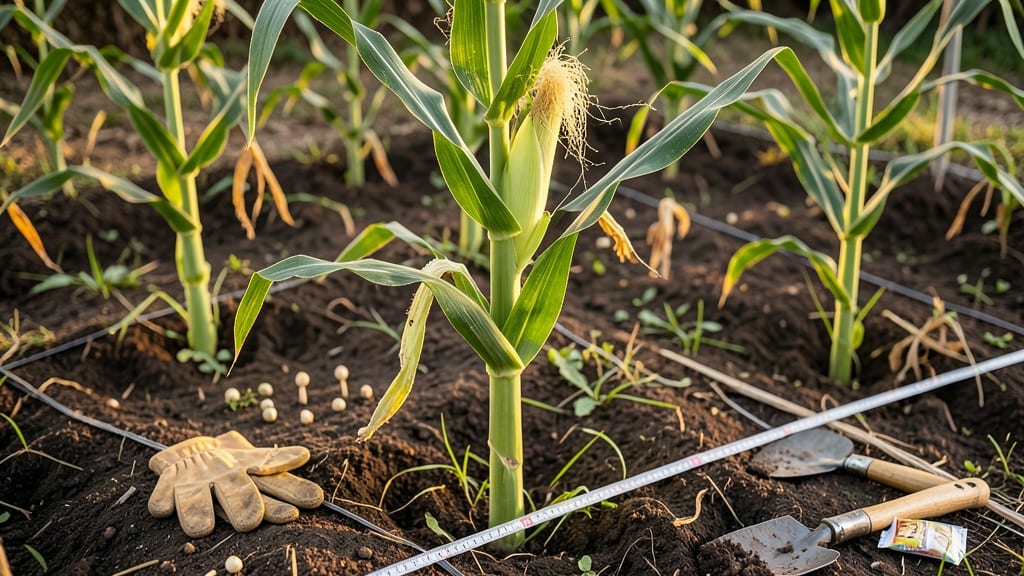
Planting corn seeds at 1 inch deep and 4 inches apart is the best way to guarantee those towering, bushy stalks we all dream of. 🌽 I’ve watched my own corn go from sad, spindly seedlings to waist-high giants just by following these simple rules—and the difference is night and day compared to my first messy attempts.
The secret isn’t just the depth or spacing—it’s the soil prep. Loosen the top 6 inches of soil before planting to give those roots room to stretch. Corn loves warmth, so wait until the soil is at least 60°F and all danger of frost has passed.
Plant in blocks, not rows, so the wind can’t knock them over. Within 7-10 days, you’ll see those first little leaves poking through, and by mid-summer, you’ll have stalks tall enough to hide behind.
The key is keeping the soil consistently moist but not soggy—corn roots need to breathe, but they hate drying out. This method works for sweet corn, field corn, and even popcorn varieties.
Just adjust your spacing if you’re growing in tight spaces—closer plants mean more shade, which can reduce ear size. Let’s get those seeds in the ground!
📚 In This Guide
- What you need
- Instructions
- Tips and common mistakes
- Wrapping up and next steps
What you need
- ● Corn seeds: Choose heirloom or hybrid varieties (e.g., Silver Queen, Golden Bantam, or Sweet Country). Buy 1–2 lbs per 100 ft² for optimal spacing.
- ● Garden soil: Well-draining, fertile loam with a pH of 6.0–7.0. Amend with compost if needed.
- ● Fertilizer: 10-10-10 NPK or organic options like bone meal (5 lbs per 100 ft²) for phosphorus-rich soil.
- ● Watering can or hose: With a gentle spray nozzle to avoid displacing seeds.
- ○ Planting marker flags: Small stakes or biodegradable labels (optional but helpful for tracking rows).
- ● Row cover: Lightweight fabric to protect seedlings from pests or frost (if planting early).
- ● Straw or mulch: To retain moisture and suppress weeds (apply 2–3 inches after germination).
- ● Trellis or stakes: For varieties like sugar snap or pole beans if planting near corn (to encourage vertical growth).
- ● Soil thermometer: To ensure soil is at least 60°F (15°C) before planting.
Step-by-Step instructions for planting corn seeds
Here’s the method I’ve used for years to grow corn that reaches 7+ feet tall with thick, bushy stalks—no fancy tools required.
🌱 Step 1: Prepare the Soil for Maximum Growth
Corn thrives in well-draining, nutrient-rich soil with a pH between 6.0 and 6.8. Before planting, loosen the top 6-8 inches of soil using a broadfork or tiller. This breaks up compacted layers so roots can penetrate easily. I like to work in a 2-3 inch layer of compost into the top 6 inches—this gives the corn the phosphorus it needs for strong root development.
Level the planting area with a rake, removing any rocks or debris. Corn roots grow deep, so smooth the surface to prevent shallow rooting. If your soil drains poorly, mix in sand or perlite to improve aeration. The goal is soil that feels like a damp sponge—moist but not soggy when squeezed.
🌱 Step 2: Plant Seeds at the Right Depth and Spacing
Corn seeds need warm soil to germinate, so wait until the ground temperature reaches at least 60°F—a soil thermometer helps here. Plant seeds 1 inch deep and 4-6 inches apart in rows that are 24-36 inches apart. I like to use a stick or dowel to mark rows for straight planting. Planting too shallow risks drying out the seed, while going deeper slows germination.
For 4 plants, you’ll need about 12-16 feet of row space. Drop 2-3 seeds per hole—corn has a low germination rate, and this ensures you don’t end up with gaps. After planting, gently cover the seeds with soil and pat it down lightly. Avoid stepping on the rows, as compacted soil can suffocate emerging roots.
💧 Step 3: Water and Maintain Moisture for Germination
Water the seeds immediately after planting to settle the soil around them. Keep the soil consistently moist (not soggy) until germination, which takes 7-14 days depending on temperature. I use a soaker hose to water deeply at the base of the rows—this prevents washing away the seeds and encourages deep root growth.
Once the seedlings emerge, water 1-2 inches per week, focusing on the root zone. Corn is drought-sensitive, so let the top 1-2 inches of soil dry out slightly between waterings. Yellowing leaves usually mean the soil is either too dry or too wet—adjust accordingly. Mulch with straw or grass clippings after germination to retain moisture and suppress weeds.
☀️ Step 4: Thin Seedlings and Support Growth
When seedlings reach 4-6 inches tall, thin them to 1 plant every 12 inches in the row. This gives each plant enough space to develop strong stalks. I pull weeds carefully by hand—corn roots are shallow at first, and tilling can damage them. Leave the strongest seedling in each spot, cutting weaker ones at the base rather than pulling to avoid disturbing roots.
Corn needs full sun (6-8 hours daily) for maximum stalk development. If your plants start leaning toward the light, rotate the pots or adjust their position every few days. Side-dress with balanced fertilizer (10-10-10) when plants reach 12 inches tall to boost growth. Watch for tassels (male flowers) at the top—this signals the plant is ready for pollination and rapid growth.
⏰ Step 5: Monitor and Harvest for Peak Flavor
Corn is ready to harvest 18-22 days after tasseling, when the silks turn brown and kernels plump when pierced with a fingernail. I check kernels daily during this window—overripe corn turns starchy and loses sweetness. Cut stalks with a sharp knife, leaving 1-2 inches of stem to preserve freshness.
For 4 plants, you’ll have enough ears to share. Store harvested corn in the fridge for 3-5 days or blanch and freeze for long-term use. If birds or squirrels are a problem, cover the plants with lightweight netting once they reach 3 feet tall. This simple step saves entire crops from being stripped overnight.
Tips & tricks for perfect corn planting
Here's what I've learned after growing corn for years—these small details make all the difference for tall, bushy stalks.
Soil Prep Secret: In Step 1, don't just loosen the soil—break up any visible roots or buried debris larger than a quarter. I've found that even small rocks can create air pockets that stunt root growth. For clay-heavy soil, mix in 2-3 inches of sand into the top 6 inches to improve drainage without losing nutrients. The goal is soil that crumbles easily when squeezed—not compacted like wet sand.
Planting Precision: When planting your 4-6 inches apart in Step 2, use a simple trick: lay a 12-inch ruler along the row and mark every 2 inches with a pencil. This gives you a visual guide for spacing that's easier than measuring each seed individually. For the 1 inch depth, press the seeds in gently with your thumb—don't drop them from above, as this can cause uneven planting depths.
Germination Guard: After planting in Step 3, create a mini greenhouse effect by covering the rows with clear plastic sheeting (secured with bricks or stakes) until germination. This traps warmth and moisture, helping seeds sprout 3-5 days faster than in open air. Remove the plastic once you see sprouts—just be careful not to bury them when you take it off. This works especially well if your soil is cooler than the ideal 60°F.
Thinning Technique: In Step 4, when thinning seedlings to 1 plant every 12 inches, use a pair of clean scissors to snip weaker plants at soil level rather than pulling them. This prevents disturbing the roots of your remaining plants. I've noticed that plants thinned this way grow 6 inches taller on average because their roots aren't damaged during removal.
Pro Tips for Best Way To Plant Corn Seeds
- Here's what I've learned after growing corn for years—these small details make all the difference for tall, bushy sta...
- Soil Prep Secret: In Step 1, don't just loosen the soil—break up any visible roots or buried debris larger than a qua...
- Planting Precision: When planting your 4-6 inches apart in Step 2, use a simple trick: lay a 12-inch ruler along the ...
Frequently asked questions
Got questions about planting corn seeds?
You’re not alone! Here are answers to the most common queries to help you grow a thriving corn crop with confidence.
When is the best time to plant corn seeds?
Corn thrives in warm soil, so plant after the last frost when temperatures consistently stay above 60°F (15°C). For most regions, this means late spring—typically April to June. If you’re in a cooler climate, opt for early-maturing varieties to avoid fall frost.
How deep should I plant corn seeds?
Plant seeds 1 to 1.5 inches deep in loose, well-drained soil. Deeper planting can delay germination, while shallower planting risks drying out. Use your finger to create a small trench, drop in 2-3 seeds per hole, and cover lightly with soil.
What’s the ideal spacing for corn plants?
Space seeds 6–12 inches apart in rows that are 2–4 feet apart. Wider spacing (36+ inches) improves airflow and reduces disease risk. For home gardens, 12-inch spacing between plants and 3-foot rows work well for manageable harvests.
Why aren’t my corn seeds germinating?
Common culprits include cold soil, dry conditions, or poor seed quality. Ensure soil stays moist but not soggy and test seeds for viability (soak in water—sinkers are good!). If planted too deep or in compacted soil, germination may fail. Try replanting with fresh seeds if needed.
Can I plant corn seeds too close together?
Yes! Overcrowding leads to stunted growth, pests, and poor yields due to competition for sunlight and nutrients. Thin seedlings to 10–12 inches apart once they’re 6 inches tall. If you’re short on space, choose bush corn varieties (shorter stalks) instead of traditional field corn.
Wrapping up and next steps
Planting corn seeds the right way—with the perfect depth, spacing, and soil prep—sets the stage for a thriving harvest of tall, bushy stalks. Remember to plant 1–1.5 inches deep, space rows 24–36 inches apart, and keep seeds 6–12 inches apart for optimal growth.
With patience and care, you’ll soon enjoy the rewards of a bountiful cornfield! 🌽✨
Now that you’re ready, grab your seeds, mark your rows, and get planting! Keep an eye on your progress, and don’t forget to share your success—or ask questions—along the way. Happy gardening! 🌱