
Planting
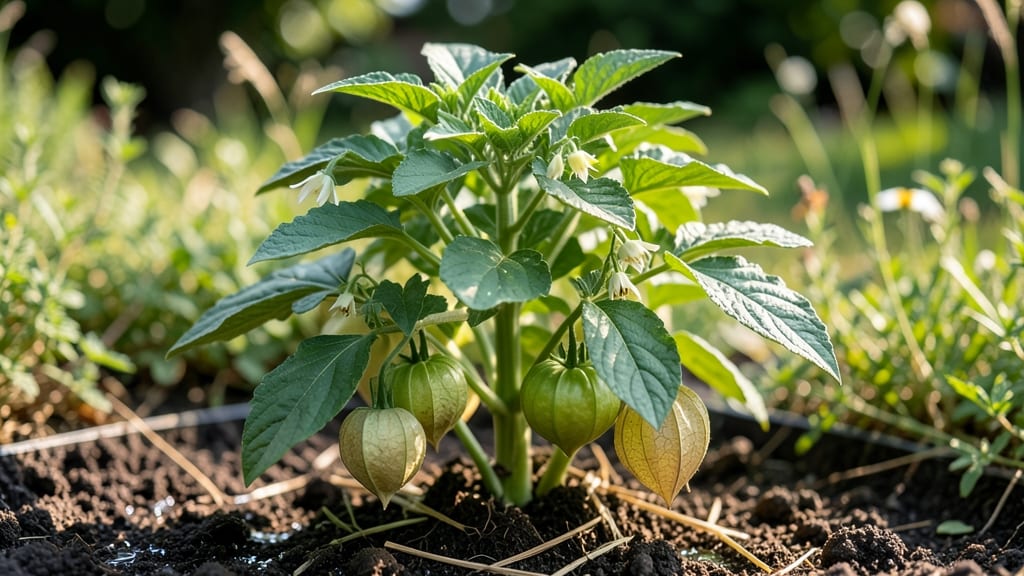
Growing green tomatillo plants from seed means fresh salsa verde in your own backyard—90 days faster than buying transplants. 🌱 I learned the hard way that these little green gems need specific care to thrive, but once you nail the sunlight, soil, and watering balance, they reward you with prolific harvests that taste nothing like store-bought.
The secret starts with 6-8 hours of direct sun daily—they’re sun-worshippers, not shade lovers—and well-draining soil that stays consistently moist but never soggy.
Most people overwater, causing those dreaded yellow leaves, but I’ve found that deep watering twice a week (more in heatwaves) keeps them happy without drowning the roots. They’re also surprisingly cold-hardy, making them perfect for spring or fall planting in most climates.
By month three, you’ll see clusters of those signature green tomatillos forming—bright, tart, and packed with flavor. The transition from green to ripe (a deeper hue) happens fast, so check them daily once they start turning.
One plant can produce dozens of fruits, enough for salsas, sauces, or even pickling. Works in containers or in-ground, whether you’re in a sunny patio corner or a full garden bed. Here’s how to avoid the common pitfalls and get a bumper crop every season.
📚 In This Guide
- What you need
- Instructions
- Tips and common mistakes
- Wrapping up and next steps
What you need
- ● Tomatillo seeds or seedlings: 3–5 seeds (or 1–2 seedlings) for a bountiful harvest.
- ● Containers: 5–10 gallon pots (with drainage holes) or
- ● A raised bed (at least 12" deep) if planting directly in the ground.
- ● High-quality potting mix: 1–2 bags (look for a blend labeled for vegetables or herbs).
- ● Organic compost: 1–2 cups per container to enrich the soil.
- ● Fertilizer: Balanced, water-soluble fertilizer (e.g., 10-10-10) or
- ● Slow-release organic fertilizer (like fish emulsion or worm castings).
- ● Mulch: Straw or shredded leaves (1–2 inches) to retain moisture.
- ● Hand trowel or small shovel for planting.
- ● Garden gloves to protect your hands.
- ● Watering can or hose with a gentle spray nozzle.
- ● Pruning shears (for trimming later).
- ● Plant labels (to track varieties if growing multiple types).
- ● Sunlight meter or app (to confirm your patio gets 6+ hours of direct sun).
- ● Access to full sun (6+ hours daily)—tomatillos are sun-worshippers! 🌞
- ● Consistent watering (keep soil evenly moist, not soggy).
- ● Patience! Tomatillos take 90–120 days to mature.
- ● Warmth: Ideal temperatures are 70–85°F (21–29°C).
How to grow healthy green tomatillo plants from seed
Here's the straightforward approach I've used for years to grow vigorous tomatillo plants that produce bumper crops.
🌱 Step 1: Start Seeds Indoors 8-10 Weeks Before Last Frost
Tomatillo seeds germinate best at 70-75°F, so I use a seedling heat mat to maintain consistent warmth. Fill small pots with sterile seed-starting mix—never garden soil—and plant seeds ¼ inch deep. I like to use biodegradable pots to avoid root disturbance later.
Keep the soil moist but not soggy by covering the pots with plastic wrap until germination. You'll see sprouts in 7-14 days, depending on your home's humidity. Once they emerge, remove the plastic immediately to prevent damping-off disease. This is the moment that matters: proper airflow keeps seedlings strong.
☀️ Step 2: Provide 14+ Hours of Light Daily
Tomatillo seedlings need bright, indirect light to prevent leggy growth. A south-facing window rarely provides enough intensity, so I use a full-spectrum LED grow light positioned 2-3 inches above the plants. Raise it gradually as seedlings grow to maintain that distance.
You'll notice leggy seedlings when stems stretch thin and pale, with leaves spaced far apart. This happens when light is insufficient. Strong seedlings have thick stems and compact spacing between leaves. Rotate pots weekly so plants grow straight rather than leaning toward the light.
🪴 Step 3: Transplant After True Leaves Form
When seedlings develop their second set of true leaves (the first pair are cotyledons), they're ready for transplanting. Choose a location with full sun (6+ hours daily) and well-draining soil. Tomatillos thrive in slightly acidic to neutral soil with a pH of 6.0-7.0.
Dig holes slightly larger than the root ball and space plants 18-24 inches apart. This spacing prevents overcrowding and improves air circulation, which reduces disease risk. Water deeply after transplanting to settle the soil and encourage root establishment. I always transplant on a cloudy day to reduce stress on the plants.
💧 Step 4: Water Deeply and Mulch to Retain Moisture
Tomatillos need consistent moisture, especially during flowering and fruiting. Water 1-2 inches per week, ensuring the soil stays evenly moist but not waterlogged. I water at the base of the plant in the morning to allow foliage to dry before evening, which prevents fungal diseases.
Apply a 2-3 inch layer of organic mulch around the base of the plant to retain moisture and suppress weeds. Mulch also keeps roots cool during hot afternoons, which is crucial for tomatillo production. You'll see healthier plants and better yields when the soil stays consistently moist.
✂️ Step 5: Prune and Support for Maximum Yield
As plants grow, prune suckers (the small shoots that form in the leaf axils) to direct energy toward fruit production. I also remove any yellow or diseased leaves promptly to keep the plant healthy. Tomatillos can grow quite tall, so I use stakes or cages to support them as they reach 3-4 feet tall.
Here's the thing—tomatillos produce more fruit when they're supported. Without support, plants can flop, and fruits may rot or fail to develop properly. You'll notice a significant increase in fruit production when plants are properly pruned and supported. Harvest when fruits turn green and slightly papery, usually 90-100 days after transplanting.
Tips & tricks for growing thriving tomatillo plants
These insider strategies will help you avoid common pitfalls and maximize your tomatillo harvest from seed to harvest.
Seed Starting Success: The 70-75°F germination temperature is non-negotiable—don't rely on room temperature alone. I've found that placing pots on a seedling heat mat during the day and moving them to a warm spot at night (like near a south-facing window) creates the perfect diurnal temperature swing. This mimics outdoor conditions and speeds up germination from the 7-14 day range to often just 5-7 days. The key is consistency: check soil temperature with a small thermometer if you're unsure about your setup.
Lighting Strategy: That 2-3 inch distance from your full-spectrum LED grow light is crucial, but don't forget to adjust it as seedlings grow. I raise the light weekly by about ½ inch—this prevents light burn while maintaining intensity. You'll know you're doing it right when the seedlings grow vertically with dark green leaves and minimal stretching between nodes. A quick trick: if you notice seedlings leaning toward the light, rotate the pots ¼ turn daily to encourage even growth.
Transplanting Preparation: The second set of true leaves is your golden signal for transplant readiness, but don't rush this step. I harden off seedlings by placing them outside in partial shade for 2-3 hours on the first day, gradually increasing to full sun exposure over 5-7 days. This acclimation period significantly reduces transplant shock. Also, make sure your garden soil is warmed to at least 60°F before transplanting—cold soil stresses young plants and delays establishment.
Harvest Timing: Those 90-100 days to harvest are just a guideline—watch for the papery texture rather than relying solely on time. I harvest when the husks start to split naturally, which typically happens a few days before the 100-day mark in optimal conditions. The fruits should be firm but yield slightly when gently squeezed. Pro tip: harvest in the morning when temperatures are cooler, as this preserves the freshness and prevents premature splitting of the husks.
Pro Tips for Green Tomatillo Plant
- These insider strategies will help you avoid common pitfalls and maximize your tomatillo harvest from seed to harvest.
- Seed Starting Success: The 70-75°F germination temperature is non-negotiable—don't rely on room temperature alone.
- Lighting Strategy: That 2-3 inch distance from your full-spectrum LED grow light is crucial, but don't forget to adjust it as seedlings grow.
Frequently asked questions
Got questions about growing green tomatillo plants?
You’re not alone! Here are some of the most common queries—plus quick answers to help you grow like a pro.
How long does it take for tomatillos to grow from seed?
With the right conditions, tomatillos can go from seed to harvest in 90–120 days. If you start seeds indoors 6–8 weeks before your last frost, you’ll likely see fruit by mid-summer. Patience pays off—just keep them warm and watered!
Why are my tomatillo plants wilting or turning yellow?
Wilting or yellowing leaves often signal overwatering, underwatering, or nutrient deficiencies. Tomatillos thrive in well-draining soil—check moisture levels (top inch should be dry) and ensure they get 6+ hours of sun daily. A balanced fertilizer can also help!
Can I grow tomatillos in containers? What size pot do I need?
Tomatillos adapt well to containers, but choose at least a 12-inch pot (bigger is better for vining varieties). Use a lightweight potting mix, and place the pot in a sunny spot. Just be ready to water more frequently—containers dry out faster!
What can I do if my tomatillos aren’t flowering?
Lack of flowers? It’s usually due to cool temps, poor pollination, or stress. Keep plants in 60°F+ soil, hand-pollinate with a soft brush, and ensure they’re not overcrowded. If nights dip below 50°F, try row covers for a boost!
Are tomatillos the same as green tomatoes? Can I substitute them?
Nope—not the same! Tomatillos have a tart, citrusy flavor (like a mix of lime and green tomato), while green tomatoes are milder and sweeter. In recipes, you can’t swap them 1:1, but try doubling the acidity (like lime juice) if substituting for tomatillos in salsas or stews.
Wrapping up and next steps
Growing a green tomatillo plant on your sunny patio is a rewarding journey that delivers fresh, tangy flavors in just 90 days! 🌱 With the right soil, sunlight, and care, you’ll enjoy a thriving harvest—perfect for salsas, soups, or sauces.
Whether you’re a beginner or a seasoned gardener, this vibrant plant proves that homegrown goodness is just a seed away.
Now that you’re armed with tips and tricks, take the next step: grab those seeds, prep your pots, and watch your green tomatillo dreams bloom. Happy planting—your taste buds will thank you! 🌿