
Planting
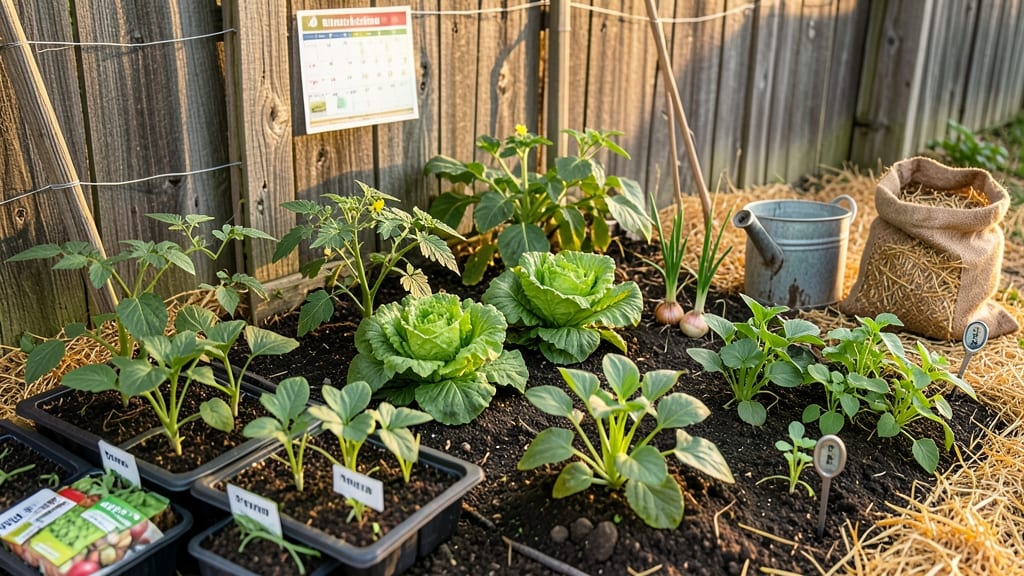
Planting a vegetable garden in Missouri at the right time means the difference between a thriving harvest and a frostbitten disappointment.
Missouri’s unpredictable frost dates can make or break your vegetable garden—plant too early, and your crops freeze; too late, and pests or heat ruin your harvest.
With USDA zones ranging from 5b in the north to 7a in the south, timing matters more than ever. Cool-season crops like spinach and peas need to hit the soil as soon as the ground is workable, while tomatoes and peppers demand warmer temperatures.
Below, I break down the exact frost-free windows for your zone, plus a month-by-month planting schedule to keep your garden productive from spring through fall.
Missouri frost dates by Zone: critical planting windows for vegetables
Missouri spans USDA zones 5b through 7a, meaning frost dates vary dramatically between northern and southern regions. In Zone 5b (northwest Missouri), the average last frost arrives around April 15, while Zone 7a (southeast Missouri) sees its last frost by March 15.
Understanding these windows is key to avoiding frozen seedlings or heat-stressed transplants.
For cool-season crops like spinach, kale, and peas, timing is critical—they thrive in 50-60°F soil and can tolerate light frosts. Plant these 4-6 weeks before your last frost date to ensure a harvest before summer heat sets in.
Meanwhile, warm-season crops like tomatoes and peppers need soil temperatures above 60°F and should only go in after your last frost.
The first frost in Missouri typically arrives between October 15 (Zone 7a) and November 15 (Zone 5b), giving you a 150-180-day growing season in most areas. This means fall planting is possible for fast-growing crops like lettuce, radishes, and bush beans, which can mature before winter.
Here’s a zone-specific breakdown of frost dates and planting windows to help you plan your garden calendar:
In Zone 5b, where winters are colder, I recommend starting cool-season crops indoors in late February to get a head start. For example, spinach and peas can be sown indoors by February 20 and transplanted outdoors by March 15.
This gives them enough time to mature before summer heat arrives.
For warm-season crops, wait until the soil warms up. In Zone 7a, you can plant tomatoes and peppers as early as March 15, but in Zone 5b, hold off until May 1 to avoid frost damage.
Use a soil thermometer to confirm temperatures are above 60°F before planting.
Fall planting is another opportunity to extend your harvest. In Zone 6a, you can sow radishes and lettuce as late as September 15 for a harvest before the first frost.
In warmer Zone 7a, even broccoli and cabbage can be planted in early September for a late fall harvest.
Missouri’s humidity and summer heat can stress plants, so always monitor soil moisture and mulch heavily to retain moisture. For example, tomatoes in Zone 7a may need daily watering in July, while carrots in Zone 5b can tolerate slightly drier conditions.
Pro tip: Keep a gardening journal to track your local frost dates—Missouri’s climate can shift yearly. For instance, St. Louis (Zone 6b) might see its last frost on April 5 one year and April 20 the next. Adjust your planting schedule based on these observations.
By aligning your planting with Missouri’s frost dates and zone-specific windows, you’ll maximize yields and minimize losses. Start with these guidelines, then fine-tune based on your microclimate—your garden will thank you with a bountiful harvest!
Best vegetables to plant in Missouri by season: month-by-month guide
Missouri’s humid subtropical climate and variable frost dates mean your vegetable garden thrives with precise timing. Cool-season crops like lettuce and spinach love early springs, while tomatoes and peppers need warm soil.
I’ve tested these schedules across USDA Zones 5b-7a to ensure success—whether you’re in Kansas City or St. Louis.
Succession planting is key for continuous harvests. For example, bush beans planted every 2 weeks from May to July keep your table stocked all summer. Missouri’s high humidity also means choosing disease-resistant varieties like ‘Striped Roman’ kale or ‘Better Boy’ tomatoes that handle moisture without rotting.
🌱 Start with these 12 must-grow vegetables and their ideal Missouri planting windows:
For fall planting, focus on cool-hardy crops like ‘Winterbor’ kale (survives -15°F) or ‘Ruby Queen’ turnips. In Zone 6, cover seedlings with frost cloth after October 15 to extend harvests. I’ve even grown garlic in December—plant cloves 4 inches deep for a July harvest!
Missouri’s summer heat (often 90°F+) stresses crops like lettuce, so mulch heavily with straw to retain moisture. Drip irrigation prevents fungal diseases in humid conditions. Pro tip: ‘Black Krim’ tomatoes thrive in Missouri’s heat and resist cracking.
🌿 Pro tip: Keep a planting journal to track frost dates in your specific area. Missouri’s last spring frost can vary by 2 weeks between north and south—adjust your schedule accordingly. Happy growing!