Planting
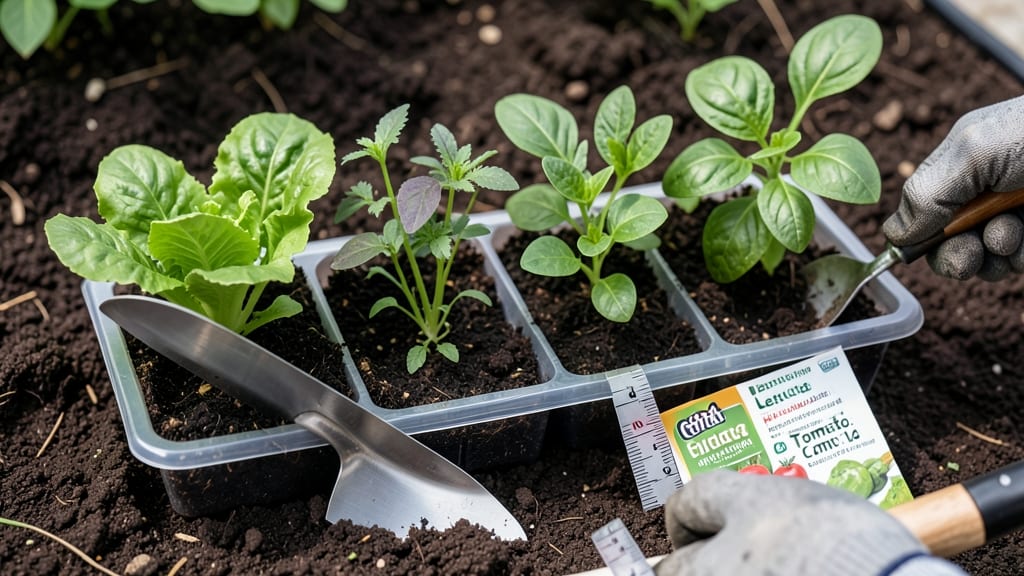
Planting vegetable seeds at the right depth is the fastest way to avoid weak seedlings and wasted effort—most seeds need to go in just twice their width deep, but there are key exceptions you’ll want to know.
Struggling with weak seedlings or slow germination? Planting seeds at the wrong depth can kill your garden dreams before they even sprout—here’s the exact science behind seed depth for every vegetable type.
Small seeds like lettuce or carrots 🌱 need barely any cover, while larger seeds like beans or peas thrive when planted deeper. The difference comes down to moisture, oxygen, and how much energy the seed needs to break through the soil.
Below, I break down the seed-specific rules for planting depth, common mistakes that stifle germination, and special cases where you’ll want to bend the rules for faster, stronger growth.

Seed planting depth rules by seed size: small vs large seeds explained
Planting seeds at the correct depth is one of the most overlooked factors in seed germination. Too shallow, and your seeds dry out before sprouting. Too deep, and they suffocate from lack of oxygen.
The general rule? Plant seeds at a depth equal to 2-3 times their diameter. But this changes dramatically for tiny seeds like lettuce versus large seeds like beans.
The science behind seed depth comes down to two key factors: moisture retention and oxygen access. Tiny seeds need just enough soil to stay hydrated but not so much that they can't break through.
Large seeds, on the other hand, contain their own food supply and need deeper planting to protect them from drying out or temperature fluctuations.
Here’s the breakdown you need to avoid common mistakes and maximize your garden’s success. The summary-table below provides exact guidelines for common vegetable seeds, organized by size category.
For tiny seeds like lettuce or carrots, the goal is to keep them moist while allowing sunlight to reach them. These seeds often need surface planting or only a light dusting of soil. Use a fine mist spray bottle to keep the soil damp until germination.
Medium seeds, such as those for tomatoes or peppers, strike a balance. Plant them at about half an inch deep to protect them from drying out while still allowing enough oxygen to reach the seed. This depth also helps regulate soil temperature, which is critical for faster germination.
Large seeds, like beans or corn, contain enough nutrients to support early growth, so they can afford to be planted deeper. Aim for 1-2 inches deep to shield them from temperature swings and predators. These seeds often germinate more reliably in cooler soils, making deeper planting a smart choice.
One common mistake is assuming all seeds follow the same rule. For example, parsley and cilantro are small seeds but require surface planting to avoid rotting. Always check the seed packet for specific instructions—some seeds, like poppies, need light to germinate and should never be buried.
After planting, maintain consistent moisture levels in the soil. Use a spray bottle for delicate seeds and a gentle watering can for larger ones. Avoid overwatering, which can cause seeds to rot before they sprout. A light mulch of compost or straw can help retain moisture without suffocating emerging seedlings.
Remember, the soil type also plays a role. Sandy soil drains faster, so you may need to plant slightly deeper to retain moisture. Clay soil, on the other hand, holds moisture longer, allowing for shallower planting. Adjust based on your garden’s conditions for the best results.
By following these seed-specific rules, you’ll give your garden the best possible start. Happy planting! 🌱
Common mistakes that kill seedlings before they sprout (and how to fix them)
Even the most experienced gardeners sometimes struggle with seedlings that never emerge. The problem often starts with planting depth—a small detail that can make or break your entire crop.
Seeds planted too deep suffocate, while those planted too shallow dry out before sprouting. Understanding these mistakes will save you from wasted seeds and frustration.
I’ve learned the hard way that soil moisture and temperature also play critical roles. For example, tiny seeds like lettuce need barely any soil cover, while larger seeds like beans thrive when buried deeper.
Let’s break down the most common errors and how to correct them before your next planting session.
⚠️ The #1 Depth Mistake: Burying Seeds Too Deep
Rule: Most vegetable seeds should be planted at a depth of 2-3 times their diameter. For example:
- Lettuce (tiny seeds): 1/4 inch deep
- Tomato seeds: 1/2 inch deep
- Beans (large seeds): 1-2 inches deep
Another frequent error is inconsistent soil moisture. Seeds need constant dampness to germinate, but overwatering can suffocate them just as much as underwatering. I recommend using a fine mist spray bottle to keep the soil evenly moist without displacing seeds.
A simple trick is to place a clear plastic dome or plastic wrap over seedlings to retain humidity until they sprout.
Soil temperature is often overlooked but equally critical. Most vegetable seeds germinate best in soil that’s at least 60°F (15°C). If your soil is too cold, seeds may rot before sprouting. Use a soil thermometer to monitor temperature, especially in early spring or fall plantings. Heating mats can help warm the soil faster if needed.
Even the right depth and moisture can fail if you ignore seed spacing. Crowded seeds compete for nutrients and light, leading to weak, leggy seedlings. Always follow the recommended spacing on your seed packet.
For example, carrots need 2-3 inches apart, while beans can tolerate 4-6 inches. Overcrowding is a silent killer of seedlings.
Finally, light exposure after planting is crucial. Some gardeners make the mistake of covering seeds with too much soil and then not providing enough light for the emerging seedlings.
Once your seeds sprout, move them to a bright, sunny location (or under grow lights) immediately. Weak, etiolated seedlings are often a sign of insufficient light during early growth.
By avoiding these common mistakes—correct depth, consistent moisture, proper temperature, adequate spacing, and enough light—you’ll give your seedlings the best possible start. Next time you plant, double-check these factors, and watch your garden thrive from the very first sprout! 🌱