Planting
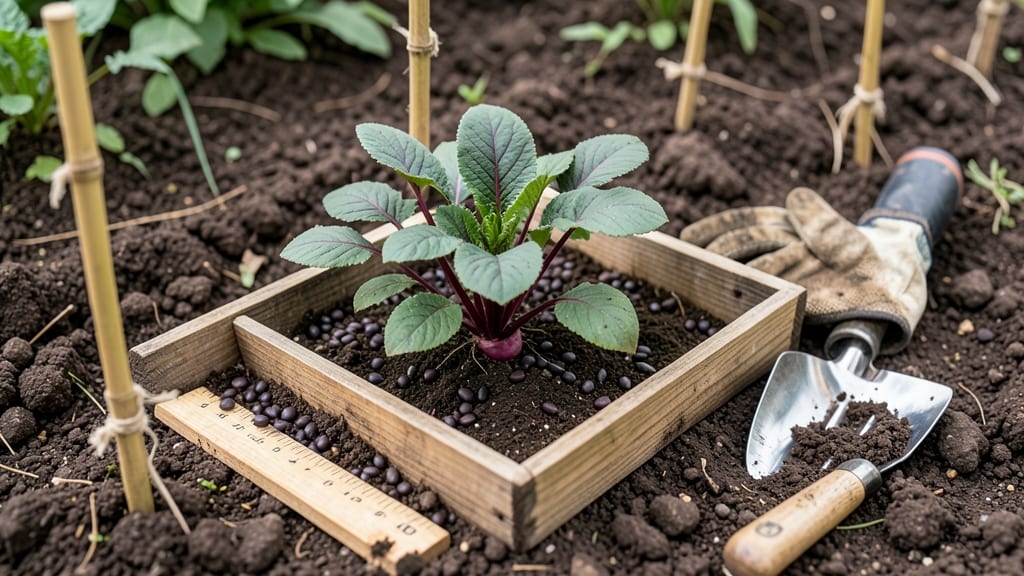
Proper beet seed spacing turns scraggly seedlings into a dense, high-yield harvest—and I’ve learned the hard way that cramming seeds saves neither time nor space. 🌱 The secret lies in giving each seed 1-2 inches of elbow room while keeping rows 12-18 inches apart, a balance that prevents competition for sunlight and soil nutrients.
Too close, and you’ll end up thinning half your plants; too far, and you waste garden real estate on empty dirt. My first attempt with seeds planted too tightly resulted in stunted, leafy beets with tiny roots—hardly worth the effort. The fix?
Thin aggressively at the 2-inch-high mark, leaving the strongest seedlings with 3-4 inches between them. For variety mixes, aim for 4-6 inches between seeds to account for different growth rates. This spacing also improves airflow, reducing the risk of fungal diseases that thrive in crowded, damp foliage.
What you’ll get is a uniform stand of beets that grow straight and plump, not lanky and leggy. The tops stay bushy, the roots swell properly, and you avoid the heartbreak of bolting—when beets flower prematurely due to stress.
Even in small gardens, this method maximizes yield without sacrificing ease of harvest. For raised beds or containers, halve the row spacing to 6-9 inches—just don’t skimp on seed-to-seed distance.
And here’s a pro tip: if your soil is rocky or poor, plant seeds ½ inch deeper than the standard ½ inch to give them a better chance at breaking through obstacles. Precision now means fewer headaches later.
📚 In This Guide
- What you need
- Instructions
- Tips and common mistakes
- Wrapping up and next steps
What you need
- ● Beet seeds: Certified organic or heirloom varieties (e.g., Detroit Dark Red, Golden Beets, or Chioggia). Aim for 1–2 oz per 100 ft of row.
- ● Garden soil: Loose, well-draining, and amended with compost (pH 6.0–7.0). Avoid heavy clay or rocky soil.
- ○ Planting container or raised bed (optional but helpful): At least 6–12 inches deep with drainage holes if using containers.
- ● Watering can or hose with a gentle spray nozzle: For consistent moisture without disturbing seeds.
- ● Row marker or string: To guide even spacing (e.g., 12–18 inches apart for rows, 1–2 inches between seeds).
- ● Garden twine or stakes: For marking rows if planting in open ground.
- ● Hand trowel or transplanting tool: For creating precise furrows or seed pockets.
- ● Measuring tape or ruler: To maintain 1–2 inch seed spacing (beets germinate slowly!).
- ○ Glove (optional): For handling soil and seeds comfortably.
- ● Mulch (straw or shredded leaves): To retain moisture and suppress weeds (1–2 inches thick).
- ○ Seedling heat mat (optional for early planting): Speeds germination in cool climates.
- ● Check your last frost date—beets thrive in cool weather (50–85°F). Plant seeds 2–3 weeks before the last frost or 4–6 weeks before summer heat.
- ● Test soil moisture—it should be consistently damp but not soggy during germination (takes 10–20 days).
- ● Choose a sunny spot: Beets need full sun (6+ hours/day) for sweet, tender roots.
Precision planting: the right way to space beet seeds
Here's how to space beet seeds for maximum yield without wasting garden space.
🌱 Step 1: Prepare the Soil for Even Germination
Work the soil to a depth of 12 inches and remove any rocks or debris that could impede root growth. Beets prefer loose, well-draining soil with a pH between 6.0-7.0. I like to mix in a handful of compost per square foot to ensure the soil holds moisture while still allowing excess to drain. The goal is a fine, crumbly texture that lets young roots penetrate easily.
Rake the surface smooth and create shallow furrows ½ inch deep using the back of a rake or a specialized seed furrow tool. These rows will guide your seed placement and help maintain consistent spacing. I find that spacing rows 12-18 inches apart gives mature plants enough room to spread without overcrowding.
🌱 Step 2: Sow Seeds Thinly for Strong Starts
Beet seeds are small and often contain multiple germs in one seed coat, which is why they can produce multiple seedlings from a single seed. I recommend planting 3-4 seeds every 1 inch along each furrow. This initial density ensures good germination coverage, but you'll thin later. Press each seed gently into the soil—just enough to cover it lightly, about ¼ inch deep.
Here's the thing—don't worry about perfect spacing at this stage. The key is to create a dense enough stand that you'll have plenty of seedlings to thin to your ideal spacing. I like to use a small piece of cardboard or my finger to mark the 1-inch intervals as I plant, which keeps things consistent. After sowing, cover the seeds with a thin layer of soil or compost.
🌿 Step 3: Thin Seedlings to Optimal Spacing
Once seedlings emerge and develop their first true leaves (about 2-3 weeks after sowing), it's time to thin. The ideal mature spacing for beets is 3-4 inches apart in rows. This gives each plant enough room to develop a full, bushy top and a large, unobstructed root. I use a small hand trowel to carefully dig out the weaker seedlings, leaving only the strongest one at each spacing interval.
Don't rush this step—wait until seedlings are at least 2 inches tall before thinning. You'll notice the strongest seedlings have thick, dark green stems and vibrant leaves. Pull weaker ones at the soil line rather than cutting them to avoid damaging the roots of the plants you're keeping. I like to harvest the thinned seedlings and add them to salads or compost—nothing goes to waste in my garden.
☀️ Step 4: Maintain Consistent Spacing Through Growth
As your beets mature, monitor their growth to ensure they're not becoming overcrowded. If you notice leaves touching between plants, it's time to thin again. Mature beets should have 4-6 inches of space between them in all directions. This spacing prevents competition for nutrients and sunlight, which leads to smaller, misshapen roots.
If you're growing multiple varieties, keep them separated by at least 12 inches to prevent cross-pollination. I like to use colored plant markers or small stakes to label each variety, which helps me keep track as the plants grow. Regularly check for signs of stress, like yellowing leaves or stunted growth, which can indicate overcrowding or nutrient deficiencies.
Tips & tricks for precision beet planting
Perfect spacing transforms your beet harvest from scrappy to spectacular—here’s how to avoid the most common pitfalls.
Soil Preparation Secret: Before creating those ½-inch furrows, test your soil’s moisture by squeezing a handful—it should hold together but not be soggy. Beets are sensitive to waterlogged conditions, and that 12-inch depth of loose soil is what lets their roots grow straight and strong. If your soil feels compacted, work in a little sand or perlite to improve drainage. This step is non-negotiable for preventing forked or stunted roots that ruin harvests.
Seed Placement Technique: When planting those 3-4 seeds every 1 inch, use a toothpick or matchstick to poke tiny holes—it’s faster and more precise than trying to drop seeds by hand. The ¼-inch depth is critical: too shallow and they’ll dry out, too deep and they won’t germinate. I’ve seen gardeners swear by this method, and it’s saved me from patchy germination more times than I can count. Cover seeds with a thin layer of compost rather than plain soil to lock in moisture.
Thinning Timing: Wait for those first true leaves (about 2-3 weeks) before thinning—this is when you can reliably identify the strongest seedlings. I’ve made the mistake of thinning too early, only to watch my best plants get uprooted accidentally. Use a pair of clean scissors to snip at soil level rather than pulling, which reduces stress on the remaining plants. The 3-4 inch spacing might seem generous, but trust me: crowded beets develop tough, woody roots that taste like disappointment.
Growth Monitoring: As your beets mature, check for 4-6 inches of space between plants by running your hand through the foliage—if leaves brush against each other, it’s time to thin again. I use a small wooden dowel marked with measurements to check spacing quickly. This final adjustment prevents the "beet arms race" where plants compete for sunlight and nutrients, resulting in small, misshapen roots. Yellowing leaves? That’s your cue to act fast.
Pro Tips for Beet Seed Spacing
- Perfect spacing transforms your beet harvest from scrappy to spectacular—here’s how to avoid the most common pitfalls.
- Soil Preparation Secret: Before creating those ½-inch furrows, test your soil’s moisture by squeezing a handful—it sh...
- Seed Placement Technique: When planting those 3-4 seeds every 1 inch, use a toothpick or matchstick to poke tiny hole...
Frequently asked questions
about beet seed spacing—because even the best gardeners need a little extra guidance! Here are answers to the most common queries to help you grow perfect, productive beets.How close can I plant beet seeds together?
For bush beets, space seeds 1–2 inches apart in rows. For long, slicing beets, thin seedlings to 3–4 inches apart once they sprout. Overcrowding leads to small, misshapen roots—so give them room to grow!
When is the best time to thin beet seedlings?
Thin seedlings 2–4 weeks after germination, when they’re about 2 inches tall and have their first true leaves. Use scissors or your fingers to snip at soil level—avoid pulling to prevent disturbing roots. Pro tip: Harvest the thinned seedlings for baby greens!
Can I plant beet seeds too far apart?
Yes! If seeds are spaced 6+ inches apart, you’ll waste garden space and reduce yields. For optimal harvests, stick to 1–2 inches for seeds and 3–4 inches for mature plants. Use a ruler or spacing tool to keep rows consistent.
What if my beets bolt before reaching full size?
Bolting (flowering too early) happens in hot weather or with old seeds (save seeds for <1 year). For better spacing control, try succession planting every 2–3 weeks in spring/fall. Shade cloth can also delay bolting in summer gardens.
Do I need to adjust spacing for heirloom vs. hybrid beets?
No! Spacing rules apply to all beet varieties—whether heirloom (like ‘Detroit Dark Red’) or hybrid (like ‘Boltardy’). Focus on soil prep and watering instead. Heirlooms may take slightly longer to mature, but spacing stays the same.
Wrapping up and next steps
Mastering beet seed spacing is your secret weapon for a thriving garden! 🌱 With the right technique—whether you’re planting in rows, blocks, or containers—you’ll enjoy bushy, vibrant beets that yield big rewards. Remember: patience and precision pay off, so don’t rush the process.
Ready to dig in? Start small with a single bed or container, track your progress, and soon you’ll be sharing your harvest with friends (or your favorite recipes!). Happy planting—your future meals will thank you! 🍽️