Planting
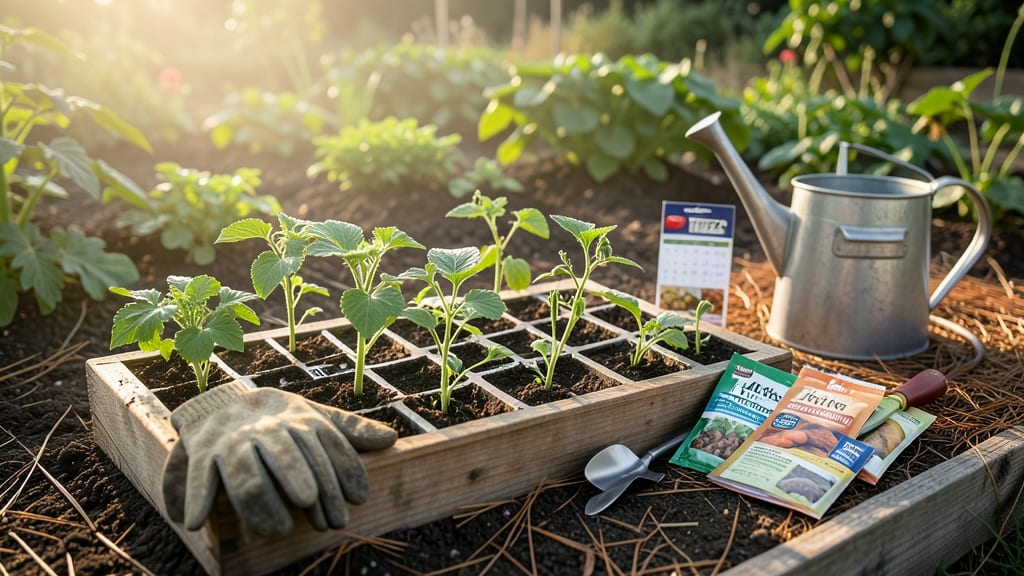
Planting a vegetable garden in Mississippi at the right time means the difference between a bountiful harvest and a wasted effort — and the window is narrower than you might think.
Mississippi’s warm climate and long growing season make it a gardener’s paradise, but planting too early or late can ruin your harvest. Timing is everything, and knowing the right frost dates for each crop can mean the difference between a thriving garden and a failed one.
For cool-season crops like lettuce and peas, you’ll want to plant 4-6 weeks before your last frost, typically in late February or early March. Meanwhile, warm-season favorites like tomatoes and peppers need to wait until 2-3 weeks after the last frost, usually mid-April.
Below, I’ll break down the best planting schedule by crop and zone, plus tips for extending your growing season so you can enjoy fresh veggies from spring through fall.
Mississippi frost dates and planting zones: what you need to know
Mississippi’s USDA Hardiness Zones 7b-8b create a unique growing environment with long, hot summers and mild winters. Unlike northern states, gardeners here must work with short windows for cool-season crops while maximizing the extended warm-season growing period.
Understanding your last spring frost and first fall frost is critical to avoid frost damage or wasted effort.
Most of Mississippi experiences its average last frost date between mid-March and early April, with Zone 8 areas (south Mississippi) often seeing frost-free conditions by mid-February. The first frost typically arrives between late November and mid-December, though northern regions (Zone 7b) may see earlier frosts.
These dates shift slightly yearly, so always check local National Weather Service updates before planting.
Here’s how these frost dates translate into actionable planting windows:
For cool-season crops like lettuce, spinach, and broccoli, plant 4–6 weeks before your last frost date. In Zone 7b, this means starting seeds indoors by mid-January or sowing directly in early February.
In Zone 8b, you can plant directly outdoors as early as December for a winter harvest before the first frost.
Warm-season crops, including tomatoes, peppers, and squash, require warmer soil temperatures (60°F+). Wait until 2–3 weeks after your last frost date to plant these heat-lovers. In northern Mississippi (Zone 7b), this is typically mid-April, while southern gardeners (Zone 8b) can start as early as late February.
Mississippi’s extended growing season allows for fall planting of warm-season crops like sweet potatoes and collard greens. Start these 60–90 days before your first frost—usually between mid-July and early August.
Use black plastic mulch to warm the soil faster and row covers to protect tender plants from early frosts.
Pro tip: Monitor soil temperatures with a soil thermometer—warm-season crops won’t germinate in cold soil, no matter how late the frost date says it’s safe. Aim for 60°F+ for seeds and 70°F+ for transplants.
In urban gardens or microclimates, like near large buildings or bodies of water, frost dates may vary by 1–2 weeks. Observe your garden’s patterns for 3+ years to refine your planting schedule. Keep a gardening journal to track when frost hits your specific location.
Remember: Mississippi’s humidity and heavy summer rains
Best planting schedule for Mississippi vegetables by crop type
Mississippi’s long growing season means you can grow almost any vegetable, but timing is critical for success. Cool-season crops thrive in early spring and fall, while warm-season crops need heat to flourish.
In USDA Zones 8a-9a, last frost typically arrives in mid-March, and first frost hits around late November. Plan accordingly to maximize yields!
For tomatoes and peppers, wait until soil temps reach 60°F+—usually mid-April to May—to avoid transplant shock. Squash and cucumbers love heat, so plant them after Memorial Day for best results.
Meanwhile, leafy greens like collards and kale can handle cooler temps, making them perfect for early spring or fall plantings.
- 1. Cool-Season Crops (Feb-Mar, Sep-Oct): Plant lettuce, spinach, and broccoli 4-6 weeks before last frost (early Feb-Mar). For fall, start seeds in late July-Aug for harvest before frost.
- 2. Warm-Season Crops (Apr-May, Jul-Aug): Sow tomatoes, peppers, and okra 2-3 weeks after last frost (mid-Apr-May). For fall, plant heat-tolerant varieties like 'Celebrity' tomatoes by late July.
- 3. Succession Planting (Mar-Jul, Aug-Oct): Extend harvests by planting bush beans and carrots every 2-3 weeks from March to July. Repeat in August-September for fall crops.
- 4. Heat-Tolerant Varieties (Jun-Sep): Choose 'Malagueta' peppers or 'Black Krim' tomatoes for Zone 8’s summer heat. These varieties thrive in 90°F+ temps without wilting.
- 5. Fall Extenders (Sep-Oct): Use row covers to protect cabbage and Brussels sprouts planted in late September. Harvest before first frost (late Nov) for sweet flavors.
Don’t overlook succession planting—it’s the secret to a never-ending harvest! For example, bush beans can be sown every 2 weeks from March to July, ensuring fresh pods all summer. Similarly, lettuce and radishes grow quickly, making them ideal for fall succession plantings in August-September.
Mississippi’s humidity can stress plants, so mulch heavily to retain moisture and reduce weeds. For tomatoes and peppers, use straw or black plastic mulch to keep roots cool and soil moist. Heat-tolerant varieties like 'Arkansas Traveler' tomatoes are perfect for Zone 8’s sweltering summers.
For fall gardens, start seeds indoors in late July for peppers and eggplants, then transplant outdoors in early August.
This gives them time to mature before first frost. Collards and kale actually taste sweeter after a light frost, so plant them in late summer for a winter harvest!
Pro tip: Use a planting calendar to track deadlines. Mark your last frost date and count backward for cool-season crops or forward for warm-season ones. With this schedule, you’ll enjoy fresh tomatoes in June and greens in November—no empty garden beds in sight! 🌿