
Planting
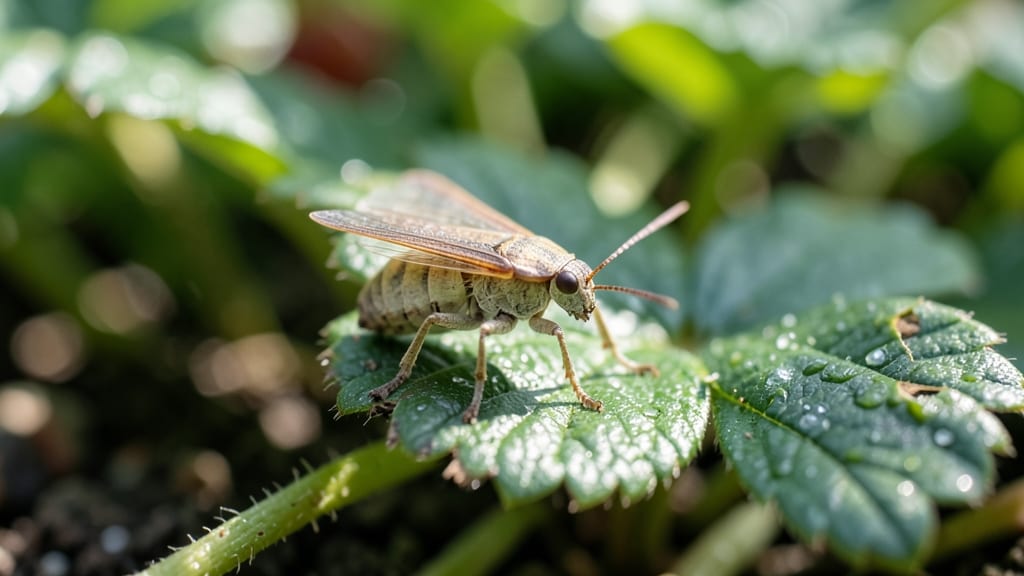
Tarnished plant bugs on strawberries can turn your sweet harvest into a sad, shriveled mess—unless you act fast. 🌱 These tiny pests leave behind notched leaves and stunted berries, but a simple homemade spray can save your crop before they ruin everything.
I’ve battled them twice, and this method works every time.
The bugs thrive in warm weather, hiding on the undersides of leaves and sucking out plant juices. You’ll spot their damage first—tiny white specks on berries and jagged leaf edges.
Most store-bought sprays miss the mark, but a mix of soapy water and neem oil disrupts their lifecycle without harming bees or your plants.
Within 24 hours of spraying, you’ll see fewer bugs crawling around, and new growth will look healthier. The key is consistency—reapply every 5-7 days until harvest. I’ve saved entire beds this way, and so can you, even if your strawberries were looking hopeless.
This works for all berries, not just strawberries, and prevents future infestations when combined with row covers or companion planting with garlic. No more wasted harvests—just sweet, plump berries waiting to be picked. Let’s get started!
Root Causes Of Strawberry Damage
The Lygus lineolaris—better known as the tarnished plant bug—is a sneaky pest that can turn your lush strawberry plants into a buffet of destruction. But why do these bugs zero in on strawberries?
Understanding their behavior and environmental triggers is key to stopping them before they strike. Here’s a breakdown of the primary reasons these pests target your strawberries.
The tarnished plant bug has a preference for new, soft plant tissue, which is why strawberries—especially those in the flowering and fruiting stages—are prime targets. Here’s why:
- High moisture content: Young strawberry leaves, buds, and green fruit are packed with water, making them easy for bugs to pierce with their stylets (tiny, needle-like mouthparts).
- Rich in sugars and nutrients: Developing strawberries contain sugars and amino acids that the bugs crave. Once they puncture the plant, they inject enzymes to break down cells, turning healthy tissue into a liquid meal.
- Vulnerable reproductive stages: Strawberry flowers and immature fruit lack the tough protective layers of mature plants, making them easier to damage without the plant mounting a strong defense.
💡 Pro Tip: If you notice distorted, crinkled leaves or misshapen fruit early in the season, it’s a red flag—these bugs are likely feeding on new growth.
Tarnished plant bugs are opportunistic feeders—they target weakened plants that can’t fight back effectively. Here’s how stress makes strawberries more susceptible:
| Stress Factor | Why It Attracts Bugs |
|---|---|
| Poor soil drainage | Waterlogged roots starve plants of oxygen, slowing growth and making them easier targets. |
| Nutrient deficiencies | Lack of nitrogen, phosphorus, or potassium weakens cell walls, making them softer and more digestible for bugs. |
| Competition for space | Overcrowded strawberry beds reduce airflow, creating humid microclimates that bugs love. |
| Drought or irregular watering | Fluctuating moisture levels stress plants, causing them to produce more sugary sap as a survival mechanism—bugs detect this and flock to them. |
🌡️ Key Insight: Healthy plants resist damage better. Regularly check soil pH (ideal: 5.8–6.5) and ensure 1–2 inches of consistent moisture to keep strawberries robust.
The tarnished plant bug thrives in hot, dry climates, which accelerate their life cycle and increase their appetite. Here’s how weather plays a role:
- Faster reproduction: Warm temperatures (75–90°F) allow bugs to complete multiple generations per season, leading to explosive populations.
- Reduced natural predators: Birds, spiders, and parasitic wasps—natural enemies of tarnished plant bugs—become less active in heat, giving bugs free rein.
- Drying plant sap: In dry conditions, strawberries produce more concentrated sugars in their sap, making them more attractive to feeding bugs.
⏰ Seasonal Warning: Peak damage occurs in late spring to early summer when strawberries are flowering and temperatures rise. Monitor plants closely during these months.
In balanced ecosystems, predators like lady beetles, lacewings, and parasitic wasps keep tarnished plant bug populations in check. But when these predators are absent—or when humans disrupt the ecosystem—the bugs take over. Common disruptions include:
- Overuse of broad-spectrum pesticides: Chemicals that kill beneficial insects (like ladybugs) remove the bugs’ natural checks and balances.
- Monoculture farming: Planting only strawberries (without companion plants) eliminates diversity that supports predator populations.
- Urban or suburban gardens: Fewer wild predators exist in manicured landscapes compared to wild, undisturbed areas.
🌿 Eco-Friendly Fix: Plant dill, fennel, or alyssum near strawberries to attract predator insects. Avoid neonicotinoids and opt for targeted, organic sprays instead.
By addressing these root causes—tender growth, plant stress, weather, and predator loss—you can create an environment where tarnished plant bugs struggle to thrive. The next step? Learning how to defend your strawberries naturally.
Beat Back Strawberry Pests Naturally
Tarnished plant bugs can turn your lush strawberry harvest into a sad, speckled mess—but don’t despair! With the right strategies, you can protect your plants, save your berries, and even prevent future infestations without harsh chemicals.
Below, we’ll break down targeted fixes based on the root cause of your problem, plus pro tips to keep bugs at bay for good.
The sooner you act, the easier it is to control these pests. Check your strawberry plants weekly for:
- Speckled or distorted leaves (tiny yellow/white spots).
- Stunted berries (small, deformed, or "cat-faced" fruit).
- Adult bugs (tiny, wedge-shaped, with a tarnished metallic sheen).
💡 Pro Tip: Inspect under leaves and near flower clusters—that’s where bugs hide and lay eggs. A hand lens (magnifier) helps spot them early!
If you’ve spotted bugs, act fast with these homemade or store-bought sprays that disrupt their life cycle without harming your plants or pollinators.
1. Soap Spray: Quick Knockdown for Adult Bugs 🧼
Why it works: Soap disrupts the bugs’ protective wax layer, dehydrating them. Recipe:
- 1 tbsp mild liquid castile soap (or insecticidal soap)
- 1 quart water
- 1 tsp vegetable oil (helps it stick to leaves)
How to use:
- Shake well before spraying (soap separates easily).
- Spray thoroughly on both sides of leaves, stems, and berries (avoid flowering hours to protect bees).
- Reapply every 5–7 days until bugs disappear.
⚠️ Warning: Test on a small leaf first—some plants (like tomatoes) are sensitive to soap.
2. Neem Oil: Breaks the Bug Life Cycle 🌿
Why it works: Neem oil smothers eggs and larvae, prevents adults from feeding, and has a foul taste they avoid. Recipe:
- 1 tbsp neem oil
- 1 tsp mild soap (as an emulsifier)
- 1 quart water
How to use:
- Mix in a spray bottle and shake well.
- Apply in the evening (neem oil degrades in sunlight).
- Spray every 7–10 days for 2–3 weeks to starve out the population.
💡 Pro Tip: For extra potency, add 1 tsp garlic oil—garlic repels bugs and boosts plant immunity!
3.
Kaolin Clay: A Bug-Deterring Shield 🏖️ Why it works: This fine mineral powder creates a physical barrier that bugs dislike, while also reflecting sunlight to stress them out. How to use: - Mix 2 tbsp kaolin clay + 1 tsp soap in 1 gallon water. - Spray on leaves and stems (avoid berries if you plan to eat them raw). - Reapply after rain or every 10 days.
✨ Bonus: It also reduces fungal diseases and improves photosynthesis!
Sometimes, changing how you grow can make your strawberries less appealing to pests.
1. Row Covers: Physical Barrier for Eggs & Adults 🛡️
- Use fine mesh row covers (like Agribon 17g) over young plants.
- Secure edges tightly—bugs can’t lay eggs or crawl in.
- Remove during pollination (if hand-pollinating) or use bees-friendly mesh.
2. Trap Crops: Lure & Destroy 🎣
- Plant nasturtiums or mustard greens near strawberries—tarnished plant bugs prefer these over your berries.
- Check traps daily and crush bugs by hand or drop them in soapy water.
3. Prune & Clean Up: Remove Bug Hotels 🧹
- Remove and destroy heavily infested leaves, flowers, and berries.
- Mulch with straw (not leaves)—this reduces hiding spots for eggs.
- Rotate crops—don’t plant strawberries in the same spot yearly.
Tarnished plant bugs have multiple generations per season, so consistent action is key.
| Life Stage | Best Treatment | When to Apply |
|---|---|---|
| Adults (spring) | Soap spray or neem oil | Early spring (before eggs hatch) |
| Eggs (summer) | Kaolin clay or row covers | June–July (peak egg-laying) |
| Nymphs (fall) | Neem oil + garlic spray | August–September |
💡 Pro Tip: Monitor with yellow sticky traps—they catch adults and help track infestations early!
Once you’ve eliminated the current infestation, take these steps to prevent a comeback:
- Encourage Natural Predators 🐞
- Ladybugs, lacewings, and parasitic wasps eat tarnished plant bugs.
- Plant companion flowers like dill, fennel, or yarrow to attract them.
- Water Deeply & Early 💦
- Water at the base (not overhead)—wet leaves help bugs thrive.
- Water in the morning so foliage dries quickly.
- Choose Resistant Varieties 🍓
- Some strawberries (like ‘Albion’ or ‘Seascape’) are less attractive to bugs. Check with local nurseries!
- Fall Cleanup 🍂
- Rake and remove all plant debris—bugs overwinter in dead leaves.
- Add compost to boost plant health (stronger plants = fewer pests).
Final Thought: With consistent monitoring, organic sprays, and smart gardening habits, you can keep your strawberries safe, sweet, and blemish-free—without chemicals! 🚀🍓
Frequently asked questions
How do I know if my strawberries have tarnished plant bugs?
Look for notched or jagged leaf edges and tiny white/yellow specks on berries. The bugs themselves are small (1/4 inch), wedge-shaped, and have a metallic sheen. Check the undersides of leaves and flower clusters—their favorite hiding spots!
Will neem oil harm my strawberry plants?
No, when used correctly! Dilute neem oil properly (1 tbsp per quart of water) and apply in the evening. It won't harm plants but may temporarily darken leaves. Always test a small area first, and avoid spraying during flowering hours to protect bees.
Can I still eat strawberries if they've been damaged by these bugs?
Yes, but remove any heavily speckled berries—they may be deformed or have poor flavor. The bugs don't transmit diseases, but damaged fruit won't store well. Focus on preventing future infestations by using row covers or companion planting next season.
How often should I reapply the soap spray?
Reapply every 5-7 days until you see fewer bugs. Rain may wash it away, so check your plants after storms. For best results, spray in the early morning or late evening when bees are less active and temperatures are cooler.
Are there any strawberry varieties that resist tarnished plant bugs?
Some varieties like 'Albion' and 'Seascape' are less attractive to these pests. Check with your local nursery for varieties bred for your climate. Even resistant varieties benefit from preventive measures like kaolin clay sprays during peak bug seasons.