
Planting
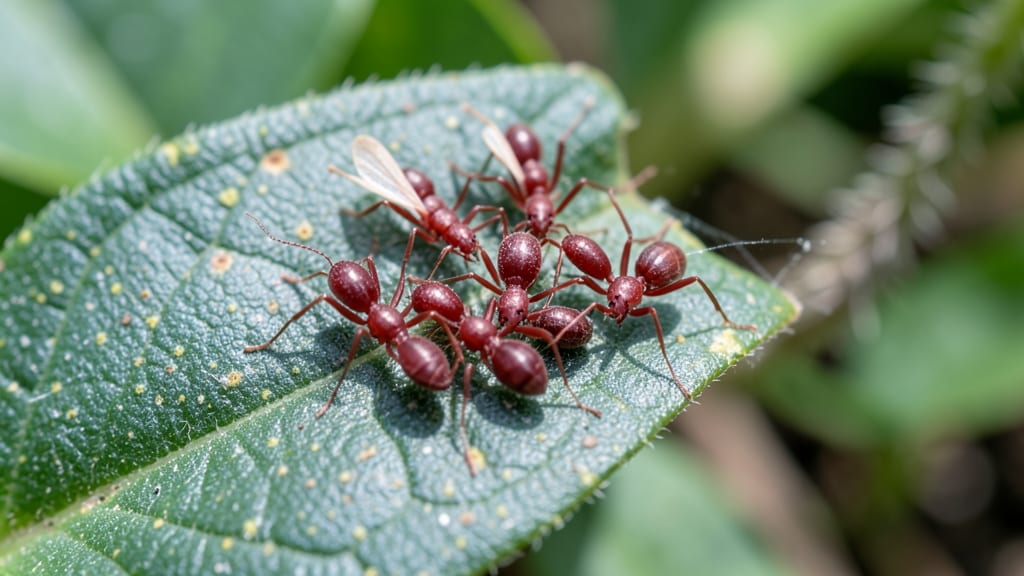
Those tiny red specks on your plant leaves aren’t just dirt—they’re red spider mites, and they’re sucking the life out of your greenery. 🌿 I’ve battled these pests more times than I’d like to admit, but I’ve finally found an organic spray that actually works.
The key is acting fast before they spin webs and turn your plants into skeleton leaves.
Most people don’t realize these mites thrive in dry conditions, which is why they explode in indoor plants during winter. You’ll spot them as tiny red dots (or orange, depending on the species) and fine webbing on leaf undersides.
The damage starts with tiny yellow dots on leaves, then progresses to brown, crispy patches—basically, your plant’s slow-motion death.
This homemade spray combines neem oil, dish soap, and water to smother mites without harming your plants. Spray it directly on the undersides of leaves where they hide, and repeat every 5-7 days until they’re gone.
The best part? It’s safe for pets and kids once dry, so you can use it without guilt.
Prevention is easier than cure—keep humidity up with a pebble tray, mist plants regularly, and introduce ladybugs or lacewings to your garden. If the mites keep coming back, check your watering schedule; overwatering can stress plants and make them more vulnerable.
Trust me, once you see your plants bounce back, you’ll never ignore those first warning signs again.
Hidden Triggers Behind Tiny Invaders
Red spider mites—those microscopic arachnids—don’t just appear out of nowhere. Their infestations are often the result of a perfect storm of environmental and plant-related factors. Understanding these triggers is the first step to stopping them before they spin their webs of destruction.
Let’s break down the why behind their relentless attacks.
Red spider mites thrive in hot, dry conditions—think summer heatwaves or indoor environments with low humidity. Here’s why:
- Rapid reproduction: At temperatures above 80°F (27°C), these mites reproduce at alarming speeds, laying up to 20 eggs per day under ideal conditions.
- Thicker plant sap: Heat causes plants to lose moisture, making their sap stickier and more nutritious for mites, which act like tiny vampires.
- Weakened defenses: Stressed plants (due to drought) produce fewer natural predators, like Phytoseiulus persimilis mites, which would otherwise keep the population in check.
Actionable fix: Maintain 50-70% humidity around plants—use humidifiers, misting, or pebble trays. Mulch soil to retain moisture.
Plants under duress—whether from poor spacing, nutrient deficiencies, or disease—become prime targets. Here’s how stress invites mites:
- Reduced sap pressure: Weak plants have lower turgor pressure (internal water pressure), making it easier for mites to pierce cells and feed.
- Sticky residue buildup: Stressed plants excrete honeydew-like substances (from pests like aphids), which mites love to feed on.
- Less volatile oils: Healthy plants produce terpenes and essential oils that repel mites. Stressed plants? Not so much.
Actionable fix: Prune overcrowded foliage, fertilize with balanced organic nutrients (like fish emulsion or compost tea), and quarantine new plants for 2 weeks to spot early signs.
Red spider mites don’t have many enemies in the garden—unless you invite them. Their populations explode when:
- Pesticide overuse: Broad-spectrum chemicals (like neonicotinoids) kill beneficial insects, including lacewings, ladybugs, and predatory mites that feast on spider mites.
- Monoculture gardening: Planting the same species in large blocks creates a buffet for mites while starving out their predators.
- Indoor environments: Greenhouses, conservatories, and homes lack the diverse ecosystems that naturally control mite populations.
Actionable fix: Introduce beneficial predators like Phytoseiulus persimilis (a mite-eating mite) or release Amblyseius californicus for broad-spectrum control. Avoid synthetic pesticides—opt for neem oil or insecticidal soap instead.
Stagnant air creates the perfect microclimate for mites to thrive, thanks to:
- Higher humidity pockets: Poor airflow traps moisture-laden air near foliage, which mites exploit to lay eggs in hidden crevices.
- Warmer leaf surfaces: Without breeze, leaves retain heat, accelerating mite metabolism and reproduction.
- Fungal growth: Stagnant air encourages sooty mold, which mites use as a food source and shelter.
Actionable fix: Space plants 3–6 inches apart (depending on size), use oscillating fans on indoor plants, and prune to improve airflow. In greenhouses, install ventilation systems or shade cloths.
Some plants are naturally more resistant to spider mites due to:
- Hairy or waxy leaves: Plants like rosemary, lavender, and Russian sage have trichomes (leaf hairs) that physically block mites.
- High essential oil content: Citrus, mint, and basil produce volatile oils that repel mites.
- Thick cuticles: Succulents (like aloe or sedum) have tougher outer layers that mites struggle to penetrate.
Meanwhile, smooth-leaved, fast-growing plants (e.g., tomatoes, peppers, and hibiscus) are mite magnets.
Actionable fix: Interplant mite-resistant species (e.g., marigolds, nasturtiums) as trap crops. For susceptible plants, wipe leaves with neem oil weekly as a preventive.
Quick Fixes for Tiny Plant Invaders
Red spider mites—those minuscule, web-spinning pests—can turn your lush green plants into a sad, dusty sight if left unchecked. But don’t panic! With the right approach, you can banish them fast and keep your plants thriving.
Below, we’ve matched common causes to practical, organic solutions that work without harsh chemicals. Plus, we’ll share prevention tips to stop them from crashing your garden party again.
When plants are packed too tightly or struggling from drought, mites move in like squatters. They thrive in dry, dusty conditions where natural predators (like ladybugs) can’t keep up.
🍳 Fix: Boost Humidity & Space Them Out
- 👨🍳 Step 1: Prune & Thin Plants Trim overgrown foliage to improve airflow. Mites hate breezy environments—they dry out fast! Pro Tip: 💡 Remove yellowing or dead leaves first; they’re mite hotspots.
- 🥘 Step 2: Increase Humidity
- Mist plants daily (especially in dry climates).
- Place a shallow tray of water near potted plants or use a pebble tray.
- Group plants together to create a microclimate with higher moisture.
- ⏰ Step 3: Water Deeply (But Not Overly) Water early in the morning so foliage dries quickly (mites love damp leaves at night). Avoid: 🚫 Overhead watering—it can spread mites to other plants.
Mites love dust—it blocks stomata (plant pores) and weakens defenses. Outdoor plants near roads or indoor plants in dusty rooms are prime targets.
🔪 Fix: Cleanse Leaves & Remove Debris
- 🍳 Step 1: Wipe Down Leaves Use a soft cloth or sponge dipped in soapy water (1 tsp mild soap per quart of water) to gently scrub both sides of leaves. For delicate plants: 🌿 Use a neem oil spray (see below) instead.
- 🥘 Step 2: Blast Off Dust Hold plants under a gentle stream of water (or use a hose on a soft setting) to rinse away gunk. Outdoor tip: 🌧️ Do this on a windless day to avoid spreading mites.
- 🎯 Step 3: Remove Fallen Leaves & Debris Mites hide in leaf litter and mulch. Clear away dead plant matter weekly to starve them out.
Harsh synthetic pesticides kill beneficial insects (like lacewings) that eat mites, leading to super-mite outbreaks. Some mites even develop resistance!
🔥 Fix: Switch to Organic, Multi-Pronged Defense
- 🍳 Step 1: Quit the Harsh Chemicals Stop using systemic insecticides (like neonicotinoids) for at least 4–6 weeks to let natural predators rebound.
- 🥘 Step 2: Introduce Beneficial Bugs Release predatory mites (Phytoseiulus persimilis) or lacewings—they’re mite-munching machines. Where to buy: 🛒 Local garden centers or online (e.g., Arborjet, Garden Safe).
- 🌿 Step 3: Spray with Organic Miticides Mix 1 tsp neem oil + 1 tsp castile soap + 1 quart water in a spray bottle. Apply every 5–7 days until mites vanish. Bonus: 💡 Add 1 tsp garlic oil for extra pest-repelling power.
Once you’ve kicked them out, lock the door with these habits:
- 🌱 Rotate Plants Regularly Move pots every few weeks to disrupt mite trails (they hate change!).
- 🍃 Monitor New Additions Quarantine new plants for 2–4 weeks before introducing them to your garden.
- 🕵️♂️ Inspect Weekly Check undersides of leaves with a magnifying glass—early detection = easy wins.
- 🌿 Boost Plant Health Well-fed plants resist pests! Use compost tea or fish emulsion for a nutrient boost.
Remember: Patience is key—some solutions take 2–3 weeks to show results. But with consistency, your plants will be mite-free and flourishing in no time! 🌿💚
Frequently asked questions about red spider mites
How do I know if my plants have red spider mites instead of just dust?
Look closely for tiny red or orange specks (1/50 inch) moving on leaves, especially on the undersides. Check for fine webbing (like dusty threads) between leaves or branches. Dust won’t move, and it won’t create these webs—mite colonies leave behind a silky mesh as they feed.
Why do red spider mites appear suddenly even though I’ve never had them before?
They’re often hitchhikers from new plants, soil, or nearby gardens. Dry, hot weather (like summer heat or indoor heating) triggers their rapid reproduction. Even a single female mite can lay 200+ eggs in her lifetime, so one unnoticed visitor can turn into an infestation in weeks.
Can I use regular dish soap to kill red spider mites?
Yes, but use mild, unscented soap (like Castile) mixed with water (1 tsp per quart). This breaks their protective wax layer. Spray directly on infested areas, focusing on leaf undersides. Reapply every 5-7 days—they’re tough little survivors! Avoid harsh soaps that can damage plant leaves.
What’s the fastest way to get rid of mites on my houseplants?
Combine neem oil spray (1 tsp oil + 1 tsp soap + 1 quart water) with a hot water rinse. First, wipe leaves with a damp cloth to remove webbing. Then spray the neem mixture, covering both sides. Repeat every 3 days for 2 weeks. Move plants to a humid spot (like a bathroom) during treatment.
Will my other plants catch red spider mites if I treat just one?
Absolutely—mites spread quickly through air currents, shared tools, or touching leaves. Isolate infested plants immediately. Clean garden tools with rubbing alcohol between uses, and avoid overhead watering that can splash mites to nearby plants. Treat the whole area if possible, especially if plants are close together.