
Planting
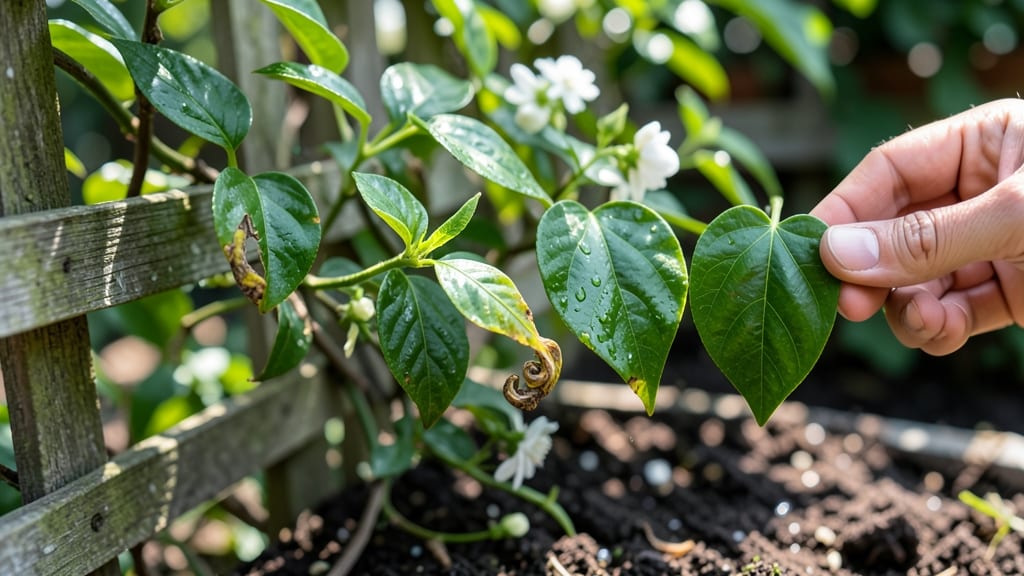
The jasmine plant’s leaves curling isn’t a death sentence—it’s a cry for help. 🌿 I’ve nursed back dozens of stressed jasmines, and the fixes are simpler than you’d think. Whether it’s thirst, pests, or too much sun, the solution lies in reading the plant’s signals carefully.
Start by inspecting the undersides of leaves for tiny webs or sticky residue (spider mites or aphids love jasmines). Check soil moisture—jasmines hate soggy roots but also can’t handle bone-dry soil. A quick adjustment often reverses the curl within days.
Once you identify the stressor, the fix is straightforward: prune damaged growth, adjust watering, and treat pests with neem oil or insecticidal soap. Your plant will bounce back with glossy, fragrant leaves in no time. This method works for both outdoor climbers and container jasmines.
Let’s get your plant smelling sweet again!
Understanding leaf stress signals
When your jasmine plant’s leaves start curling, it’s not just a cosmetic issue—it’s a cry for help. 🌿 These twisted leaves are your plant’s way of communicating stress, and understanding the root causes is the first step to restoring its health.
Below, we break down the most common reasons behind jasmine leaf curling, explained in clear, science-backed terms.
Jasmine plants thrive in well-draining soil, and when they’re overwatered or suffocated by soggy roots, their leaves curl as a distress signal. Here’s why:
- Root suffocation: Excess water displaces oxygen in the soil, forcing roots to gasp for air. Without proper aeration, roots can’t absorb nutrients efficiently, leading to hypoxia (oxygen deprivation), which triggers leaf curling as a survival response.
- Fungal infections: Waterlogged soil breeds Pythium or Phytophthora fungi, which attack roots and block water/nutrient transport. Curling leaves are often a symptom of root rot, where the plant can no longer support turgid (firm) leaf structures.
- Toxicity buildup: Overwatering leaches nutrients but also traps salt and chemical residues in the soil, creating a toxic environment. The plant’s leaves curl to reduce surface area and minimize damage from these harmful compounds.
Actionable fix: Let the top 1–2 inches of soil dry out between waterings, and ensure pots have drainage holes. Mix in perlite or sand (20–30%) to improve aeration.
On the flip side, jasmine leaves may curl inward when the plant is thirsty or scorched by intense heat. Here’s the science:
- Water loss and wilting: When soil moisture drops too low, the plant’s vascular system struggles to deliver water to leaves. Cells lose turgor pressure (the internal "plumpness" from water), causing them to curl upward to conserve moisture.
- Heat-induced damage: High temperatures (especially above 90°F/32°C) increase transpiration rates (water loss through leaves) faster than roots can replenish it. The plant’s leaves curl to reduce exposure and limit further water loss.
- Oxidative stress: Prolonged heat can generate reactive oxygen species (ROS) in leaf cells, damaging membranes and proteins. Curling is a protective mechanism to shield delicate tissue from further harm.
Actionable fix: Water deeply when the top inch of soil is dry, and provide afternoon shade during heatwaves. Mulch with organic matter (like straw) to retain soil moisture.
Jasmine plants are sensitive to temperature swings and wind, which can cause leaves to curl as a protective reflex. Here’s how it happens:
- Cold drafts or frost: Temperatures below 50°F/10°C can cause chilling injury, where cell membranes stiffen and disrupt nutrient flow. Leaves curl to minimize surface area and reduce heat loss.
- Windburn: Strong winds desiccate (dry out) leaves by increasing transpiration. The plant responds by curling leaves edge-to-edge to create a microclimate that retains moisture.
- Heat shock: Sudden temperature spikes (e.g., moving a potted jasmine from indoors to scorching sun) can cause protein denaturation in leaf cells, leading to curling as a damage-control measure.
Actionable fix: Move plants to sheltered spots during extreme weather, and avoid placing them near drafty windows or vents. Use row covers or shade cloths in windy or freezing conditions.
When pests or pathogens attack, jasmine leaves may curl as a defensive response or a symptom of systemic damage. Common culprits include:
- Spider mites: These tiny pests pierce leaf cells to feed on sap, causing plasma membrane disruption. The plant’s cells lose turgor, and leaves curl downward to protect damaged tissue.
- Whiteflies or aphids: Their feeding stimulates the plant to produce abscisic acid (ABA), a stress hormone that triggers curling to reduce exposure to the pests.
- Fungal pathogens (e.g., powdery mildew): Fungal hyphae clog stomata (pores), disrupting gas exchange. Leaves curl to limit air circulation and slow spore spread—but this also traps moisture, worsening the infection.
Actionable fix: Isolate affected plants, wipe leaves with neem oil (for pests), and apply copper fungicide if fungal spots appear. Improve airflow by pruning dense foliage.
Jasmine leaves may curl when the plant is starving or poisoned by imbalanced nutrients. Key triggers:
| Deficiency/Toxicity | Why It Causes Curling | Visual Clues |
|---|---|---|
| Nitrogen (N) deficiency | Nitrogen is critical for protein synthesis in leaves. Without it, cells weaken, and leaves curl to conserve energy. | Pale green or yellowing leaves, stunted growth |
| Potassium (K) deficiency | Potassium regulates osmotic balance in cells. Low levels cause water imbalance, leading to curling and scorch marks on leaf edges. | Brown "scorch" on leaf edges, weak stems |
| Magnesium (Mg) deficiency | Magnesium is central to chlorophyll production. Deficiency disrupts photosynthesis, causing leaves to curl and develop interveinal yellowing (between veins). | Yellow patches between veins, curled older leaves |
| Salt or chemical toxicity | Excess salts (from tap water or fertilizers) disrupt cellular osmosis, forcing water out of cells. Leaves curl to reduce surface area and limit damage. | Brown leaf tips, crispy edges, stunted growth |
Actionable fix: Test soil pH (ideal: 6.0–7.0) and amend with compost or balanced fertilizer (e.g., 10-10-10). Flush soil with rainwater to reduce salt buildup.
Quick Fixes for Curling Jasmine Leaves
Now that you know the root causes behind your jasmine plant’s curled leaves—whether it’s thirst, pests, heat stress, or nutrient deficiencies—it’s time to turn things around. Below are practical, step-by-step solutions tailored to each issue, plus prevention tips to keep your jasmine thriving long-term.
Signs: Dry, crispy edges (underwatered) or yellowing, mushy leaves (overwatered).
🔥 Step 1: Assess the Soil Moisture
Stick your finger 1–2 inches into the soil. If it’s bone-dry, it’s time to water. If it’s soggy, hold off and let it dry slightly.
🍳 Step 2: Water Correctly
- Underwatered? Water deeply until it drains from the bottom. Jasmine prefers slightly moist (not soggy) soil.
- Overwatered? Stop watering immediately.
Let the top 2–3 inches dry out before watering again. - Pro Tip: Use a moisture meter or a terracotta pot (they dry out faster, signaling when to water).
🌱 Step 3: Improve Drainage
- Repot in well-draining soil (mix potting soil with perlite or sand).
- Ensure pots have drainage holes—no exceptions!
💡 Prevention Tips:
✔ Water in the morning (evaporation is lower). ✔ Check soil weekly—jasmine hates "wet feet." ✔ Use a self-watering pot if you travel often.
Signs: Tiny holes, webbing, or sticky residue (aphids, spider mites, or whiteflies).
🔪 Step 1: Isolate & Inspect
Move the plant away from others to prevent spread. Check undersides of leaves and stems.
🧼 Step 2: Manual Removal (For Light Infestations)
- Spider mites? Wipe leaves with a soapy water solution (1 tsp mild soap per quart of water).
- Aphids/whiteflies? Blast off with a strong stream of water.
💊 Step 3: Natural Pesticides (For Severe Cases)
- Neem oil spray (1 tsp neem oil + 1 tsp soap + 1 quart water). Spray every 5–7 days for 2 weeks.
- Insecticidal soap (follow label instructions).
- Pro Tip: Ladybugs eat aphids—release them as a natural remedy!
🛡️ Prevention Tips:
✔ Quarantine new plants for 2 weeks before introducing them. ✔ Wipe leaves monthly with a damp cloth to remove dust (pests love hiding spots). ✔ Encourage beneficial insects like lacewings or predatory mites.
Signs: Leaves curl upward, crispy edges, or wilting in direct sun.
☀️ Step 1: Adjust Light Exposure
- Move to bright, indirect light (east or north-facing window).
- If outdoors, provide afternoon shade (especially in summer).
🌬️ Step 2: Increase Humidity
Jasmine loves 50–70% humidity. Try:
- Pebble tray (place pot on a tray with water + pebbles).
- Misting (lightly in the morning).
- Humidifier near the plant.
🚿 Step 3: Cool Off the Roots
- Avoid hot pots—place on a heat-protective mat or elevate with a saucer.
- Water more frequently in extreme heat (but don’t overdo it).
🎯 Prevention Tips:
✔ Acclimate gradually if moving indoors/outdoors. ✔ Avoid cold drafts (jasmine hates sudden temperature swings). ✔ Use sheer curtains to diffuse harsh sunlight.
Signs: Yellowing leaves, slow growth, or curling from nitrogen/phosphorus deficiency.
📊 Step 1: Test Soil Nutrients
Use a soil test kit to check pH (ideal: 6.0–7.0) and nutrient levels.
💪 Step 2: Fertilize Properly
- Balanced liquid fertilizer (10-10-10 or 20-20-20) every 4–6 weeks in spring/summer.
- For yellowing leaves (nitrogen deficiency): Use a high-nitrogen fertilizer (like fish emulsion).
- For weak stems (phosphorus deficiency): Try a bone meal or phosphorus-rich fertilizer.
🥗 Step 3: Organic Boosts
- Compost tea (rich in micronutrients).
- Epsom salt spray (1 tbsp per gallon of water) for magnesium (helps with yellowing).
✨ Prevention Tips:
✔ Fertilize lightly in fall/winter (jasmine rests then). ✔ Flush soil every 3 months to prevent salt buildup. ✔ Use slow-release granules for steady nutrition.
If leaves are severely damaged, prune them to redirect energy to healthy growth:
- Snip curled/damaged leaves with clean scissors.
- Trim leggy stems to encourage bushiness.
- Deadhead spent flowers to boost blooming.
Final Thought: Most curling issues are quick to fix—just match the symptom to the solution! With the right care, your jasmine will bounce back with lush, fragrant leaves in no time. 🌸
Frequently asked questions about jasmine plant leaves curling
Why do some jasmine leaves curl upward while others curl downward?
Upward curling usually signals underwatering or heat stress, as the plant tries to conserve moisture by reducing surface area. Downward curling often indicates overwatering or pest damage, where roots can't support leaves properly or pests like spider mites disrupt cell function. Check soil moisture first—if dry, water deeply; if soggy, let it dry out.
Can I save my jasmine if all the leaves are curled?
Yes! Even with fully curled leaves, your jasmine can recover if you act quickly. Start by pruning severely damaged leaves to redirect energy, then address the root cause (water, pests, or light). With proper care, new growth will emerge within 2-4 weeks, though some leaves may stay curled permanently.
How often should I check my jasmine for pests after treating curled leaves?
Inspect your plant weekly for the first month after treatment, then monthly during growing seasons. Tiny pests like spider mites multiply rapidly—catch them early by examining leaf undersides with a magnifying glass. If you spot new webbing or sticky residue, treat immediately with neem oil or insecticidal soap.
Will curled jasmine leaves straighten out on their own?
Only if the curling is temporary (like from mild heat stress). Most cases require intervention—curled leaves won't naturally flatten unless you fix the underlying issue. The plant prioritizes survival over aesthetics, so focus on correcting water, light, or pest problems first. New growth will typically be normal if conditions improve.
Can I use coffee grounds to fix jasmine leaf curling?
Coffee grounds can help with nitrogen deficiency (which causes curling), but they're not a cure-all. Mix 1 part coffee grounds with 3 parts soil as a slow-release fertilizer, but monitor your plant closely—too much can acidify soil and cause other problems. Pair with proper watering and light adjustments for best results.