
Planting
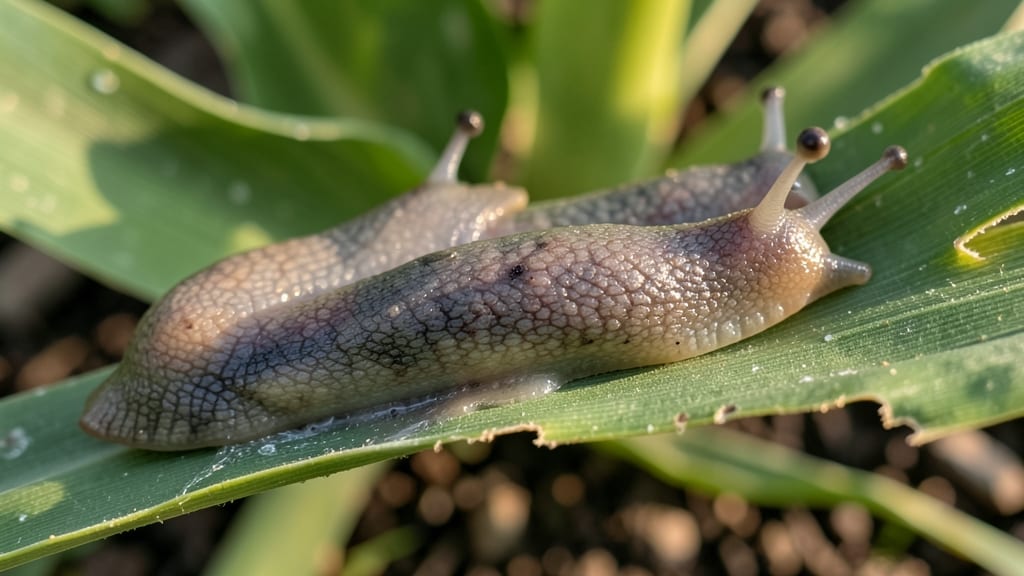
Slugs in corn are the silent harvest thief you won’t see until it’s too late—those slimy trails on your leaves mean chewed stalks and missing ears. 🌽 I’ve lost entire rows to these pests, but a simple copper tape barrier (or crushed eggshells) can stop them dead in their tracks before they reach your plants.
The problem starts when slugs hide under mulch or debris during the day, then emerge at night to feast on tender corn seedlings. Most gardeners grab pesticides first, but that kills beneficial bugs too.
Instead, I focus on physical barriers—copper tape, diatomaceous earth, or even beer traps—that work without harming your garden’s ecosystem.
With the right setup, you’ll protect your corn from the first sprouts through tasseling, ensuring full ears instead of stubble. The barriers take less than 30 minutes to install and last the whole season, saving you money and frustration.
Works for sweet corn, field corn, and even popcorn varieties—no matter your garden size. Here’s how to set it up without chemicals or guesswork.
Root Causes of Slugs Invading Corn
Slugs don’t just randomly appear in your corn patch—they’re drawn by a mix of environmental factors, crop attractants, and even human habits. Understanding these triggers is the first step to stopping them before they turn your harvest into a slimy mess. Here’s why your corn might be a slug buffet:
Slugs thrive in damp, shaded conditions, and cornfields often provide the perfect setup. Here’s why:
- Overwatering or poor drainage: Corn loves water, but soggy soil is a slug’s dream. If your field retains moisture for too long—especially after rain or irrigation—slugs will migrate in to lay eggs and feed. Pro tip: Test your soil’s drainage by digging a small hole; if water pools after 30 minutes, you’ve got a slug magnet.
- Organic mulch layers: Straw, grass clippings, or even corn husks left as mulch create hiding spots and moisture traps. Slugs burrow into these layers during the day and emerge at night to feast. Solution: Use inorganic mulches like gravel or keep organic mulch thin and dry.
- Early-season dew: Corn seedlings are especially vulnerable in cool, humid mornings. Slugs glide across dew-covered leaves, leaving trails of slime and holes in tender foliage. Morning patrols (yes, really) can help you spot and remove them before they multiply.
Slugs are nocturnal creatures, and your cornfield might be broadcasting an open-bar invitation without you realizing it:
- Artificial lighting: Outdoor lights (especially white or blue LED bulbs) attract slugs by mimicking moonlight, which disrupts their natural predators like birds and beetles. Fix: Switch to warm, yellow bug lights or use motion-activated lights to limit slug traffic.
- Lack of predators: Healthy ecosystems keep slug populations in check, but monoculture cornfields (with no companion plants) leave slugs unchecked. Actionable tip: Plant slug-repelling companions like thyme, mint, or marigolds around your corn to lure away pests and attract beneficial insects.
- Corn’s sweet appeal: Mature corn ears are high in sugars, making them irresistible to slugs. Once they taste the silky kernels, they’ll return night after night. Preventative hack: Harvest corn early or use physical barriers (like copper tape) to block access.
Slugs don’t build nests—they hide in yours. Neglected fields become their headquarters:
- Leftover plant residue: Old corn stalks, husks, or even weed debris provide shelter and breeding grounds. Slugs lay eggs in these hiding spots, and their offspring emerge ready to devour your new crop. Solution: Clear debris after harvest or till the soil to expose eggs to sunlight (which kills them).
- Weedy borders: Fields with tall weeds or dense ground cover create slug highways. Weeds also attract slugs’ favorite snacks, like decaying plant matter. Quick fix: Mow or till borders to remove slug highways and reduce hiding spots.
- Compost piles nearby: If you’re composting kitchen scraps (especially veggie peels or citrus), slugs will flock to your field. Adjust: Use dry, carbon-rich compost or relocate piles <100 feet away from your corn.
Slugs are opportunists, and certain weather patterns turn your cornfield into a prime target:
| Condition | Why Slugs Love It | Your Defense |
|---|---|---|
| Cool, wet springs | Slugs are most active when temps are 50–75°F and soil is damp. Early corn plantings in these conditions? Slug buffet. | Use row covers or plant corn slightly later in the season. |
| Humid summers | High humidity keeps slugs hydrated and active, even at night. They’ll target stressed corn (e.g., drought-affected plants). | Improve soil moisture retention with mulch or drip irrigation. |
| Frequent rain | Slugs explode in population after heavy rains, as eggs hatch and adults seek food. Flooded fields? Slug paradise. | Install drainage channels or plant corn on sloped land. |
💡 Pro Tip: Monitor your local weather forecasts and apply natural slug barriers (like diatomaceous earth) before rain predicts slug surges.
Quick Fixes for Corn Pests
Slugs and other slimy invaders can turn your sweet corn dreams into a soggy nightmare—but don’t worry! With the right approach, you can outsmart, outmaneuver, and outlast these pests without harsh chemicals.
Below, we’ll break down cause-specific solutions, from quick fixes to long-term prevention, so your corn stays crisp, sweet, and slug-free.
Slugs thrive in damp, shaded conditions where the soil stays soggy. If your cornfield (or garden bed) feels like a swamp after rain, these pests will party there—and your stalks will pay the price.
🔥 Fix It Fast: Drain & Dry
- Raise beds slightly (even 2–3 inches) to improve drainage.
Slugs hate dry soil! - Add coarse sand or perlite to heavy clay soil to break up compaction. - Mulch strategically: Use straw or wood chips (not dense organic matter like grass clippings, which slugs love).
🌡️ Long-Term Prevention
- Plant corn in well-draining soil—avoid low-lying areas where water pools.
- Space rows 2–3 feet apart to allow airflow and reduce humidity near the base.
- 💡 Pro Tip: If you’re in a rainy climate, consider drip irrigation instead of overhead watering to keep foliage dry.
Corn planted too closely creates a cozy, shaded microclimate—perfect for slugs to hide, feed, and multiply. Less light = more slug activity.
🍳 Fix It Fast: Thin & Tidy
- Thin seedlings to 6–8 inches apart (check seed packet guidelines).
More space = less slug real estate. - Remove weeds and debris—slugs love hiding under leaf litter and fallen husks. - Handpick slugs at night (they’re most active then) and drop them in soapy water.
🌿 Long-Term Prevention
- Interplant with slug-repelling herbs: Basil, thyme, and marigolds deter slugs naturally.
- Use reflective mulch: Slugs dislike shiny surfaces—try crushed eggshells or diatomaceous earth (food-grade only!) around the base.
- ✨ Pro Tip: Copper tape around beds gives slugs a mild electric shock when they cross—messy but effective!
Slugs are nocturnal snack thieves, munching on young corn silks and tender leaves after dark. By morning, you’re left with chewed messes and wilted stalks.
👨🍳 Fix It Fast: Trap & Trap Again
- Beer traps: Bury a shallow dish filled with beer near corn plants.
Slugs crawl in and drown—gross but genius. - Ginger beer spray: Mix 1 tbsp grated ginger + 1 cup water + 1 tsp dish soap.
Spray on leaves at dusk. - 🔪 DIY slug bait: Crush eggshells or coffee grounds into a fine powder and sprinkle around the base (slugs avoid the texture).
🌙 Long-Term Prevention
- Install motion-activated lights near the garden to startle slugs away.
- Plant trap crops like lettuce or beans a few feet away—slugs will go for those first.
- 💡 Pro Tip: Sow corn in late spring (after the worst slug season) for a head start on growth before pests arrive.
Corn that’s nutrient-deficient or stressed is easier prey. Slugs target weak plants because they’re low-hanging fruit.
🥗 Fix It Fast: Boost Plant Strength
- Fertilize with compost or worm castings (slugs hate the smell of healthy soil).
- Side-dress with nitrogen (like blood meal) to help corn recover from damage.
- Spray with neem oil (1 tsp per quart of water) to deter slugs and strengthen plants.
💪 Long-Term Prevention
- Test your soil and amend with potassium-rich fertilizers (slugs dislike strong plants).
- Rotate crops—don’t plant corn in the same spot yearly (slugs build up there).
- 🎯 Pro Tip: Plant corn with nematode-resistant varieties (like some heirloom types) to naturally repel pests.
For high-risk areas, combine these three layers for maximum protection:
- Physical barrier: Copper tape + crushed eggshells.
- Natural repellent: Plant garlic or chives nearby.
- Traps: Beer traps + ginger spray rotations.
Final Thought: Slugs in corn don’t mean game over—they mean game time. With these targeted fixes, you’ll turn your garden into a slug-free zone while keeping your harvest sweet, safe, and bountiful. 🌽✨
Frequently asked questions
Can slugs completely destroy a corn crop?
Yes, if left unchecked, slugs can devastate young corn seedlings and even mature plants. They target tender leaves, silks, and developing ears, leading to stunted growth or total crop failure. The key is early intervention—once slugs establish themselves, damage becomes harder to reverse.
How do I tell if slugs are damaging my corn vs. other pests?
Slug damage leaves irregular holes with silvery slime trails, while insect damage (like corn earworms) creates clean, precise cuts. Look for chewed leaves with jagged edges and shiny trails at night—classic slug signs.
Are chemical slug killers safe for corn?
Most chemical slug baits (like metaldehyde) can harm beneficial insects and contaminate soil. For corn crops, opt for organic methods like copper tape, diatomaceous earth, or beer traps instead. These protect your harvest without chemical residues.
When is the best time to apply slug barriers?
Install barriers like copper tape or crushed eggshells before planting or when seedlings are just emerging. Slugs are most active at night, so apply barriers in early evening for maximum effectiveness. Reapply after heavy rain to maintain protection.
Will slugs go away on their own?
No, slugs multiply rapidly in ideal conditions (moisture, shade, organic matter). Without intervention, their numbers will grow, leading to worse damage. Proactive measures like proper drainage, mulching, and traps are essential for long-term control.