
Planting
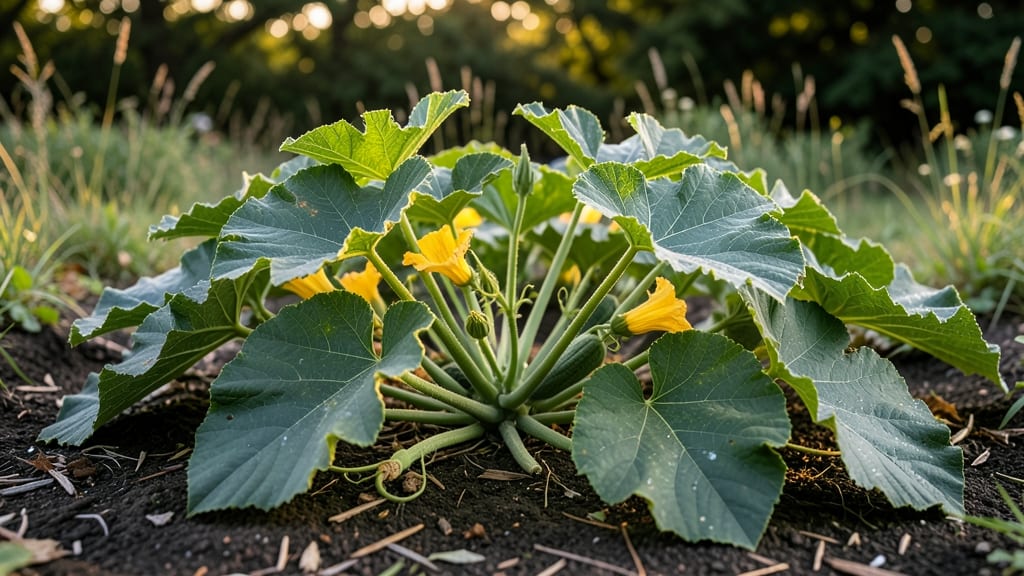
Your spaghetti squash plant leaves are drooping, but it doesn’t have to mean game over. 🌱 These three simple fixes—watering right, checking the soil, and giving them a quick nutrient boost—can turn wilted foliage into lush, productive vines in days.
I’ve nursed back more than my share of sad-looking squash plants, and the key is catching the problem early before it spreads. First, rule out the usual suspects: underwatering or overwatering. Stick your finger an inch into the soil—if it’s bone-dry, give it a deep drink.
If it’s soggy, hold off and let it dry out. Squash plants hate wet feet, and that’s often what’s causing those limp leaves to droop. Then, flip the plant gently to check for pests like squash bugs or aphids hiding underneath.
Once you’ve ruled out water and pests, a balanced fertilizer with extra potassium can work wonders. I like using a diluted fish emulsion—it’s gentle but effective. Within a week, you’ll see those leaves perk up, and your squash will be back on track for a bountiful harvest.
The difference is night and day when you catch it early. Don’t overlook the power of shade during hot afternoons, especially in the middle of summer. A simple row cover or even a piece of shade cloth can prevent leaves from scorching while still letting enough light through for growth.
I’ve seen plants recover faster just by giving them a midday break from the sun. If the leaves are already yellow or spotted, that’s your cue to act fast. Yellowing often means nitrogen deficiency, while spots could signal powdery mildew.
A mix of baking soda and water (1 tablespoon per quart) sprayed on the leaves can stop mildew in its tracks. For yellowing, a light application of compost tea or a balanced fertilizer will get them back to their vibrant green selves.
📚 In This Guide
- What you need
- Instructions
- Tips and common mistakes
- Wrapping up and next steps
What you need
- ○ Garden gloves – A pair to protect your hands from thorns or soil (optional but recommended!)
- ● Hand trowel or small shovel – For gently loosening soil or digging around roots.
- ● Watering can or hose with a gentle spray nozzle – Avoid overwatering; aim for deep, infrequent hydration.
- ● pH testing kit – To check soil acidity (ideal range: 6.0–7.0 for spaghetti squash).
- ● Organic fertilizer (balanced NPK, 10-10-10 or compost) – 1–2 tbsp per plant, applied every 4–6 weeks.
- ● Pruning shears (sterilized) – For trimming dead or diseased leaves (rubbing alcohol wipe works!).
- ● Mulch (straw, grass clippings, or wood chips) – 2–3 inches thick to retain moisture and regulate temperature.
- ● Magnifying glass – To inspect leaves for pests (aphids, spider mites) or fungal spots.
- ● Neem oil or insecticidal soap – 1 tsp per quart of water for pest control (spray in early morning).
- ● Epsom salt (magnesium sulfate) – 1 tbsp dissolved in a gallon of water for yellowing leaves (magnesium deficiency).
- ● Shade cloth (30–50%) – Temporary cover if leaves show sunburn (scorch marks) in hot climates.
- ● Journal or camera – To track progress (note leaf color, soil moisture, and weather conditions!).
How to diagnose and fix drooping spaghetti squash leaves
Here's my go-to method for identifying the real cause and restoring your plant's vigor.
🌿 Step 1: Check Watering and Soil Conditions
Start by feeling the soil 2-3 inches down with your fingers—it should feel moist like a damp sponge, not bone-dry or soggy. Spaghetti squash plants wilt when they're either thirsty or drowning. I press my finger in gently; if it comes out clean, it's time to water. If it's still damp, hold off for another day.
Look at the base of the stems where they meet the soil. If you see yellowing or mushy spots, that's a sign of overwatering or poor drainage. Spaghetti squash roots need air—if the soil stays wet too long, they suffocate. I always check the pot's drainage holes next; if they're clogged, that's your problem right there.
Here's the thing—spaghetti squash plants are heavy drinkers, especially in hot weather. They'll droop if the soil dries out completely, but they'll also droop if you water too much. The key is consistency: water when the top 1-2 inches feel dry, then give it a thorough soak until water runs out the bottom.
☀️ Step 2: Assess Light Exposure and Temperature
Drag your plant near a bright window and watch for 2-3 hours. If the leaves perk up immediately, your plant needs more light. Spaghetti squash thrives in full sun (6+ hours daily), but many growers accidentally place them in partial shade, which causes weak, droopy growth. I've seen plants go from limp to standing tall in just a few days after moving them to a sunnier spot.
Check the undersides of the leaves for tiny white bugs—those are spider mites, and they love sucking the life out of stressed plants. I run my thumb along the veins; if I feel webbing or see specks, that's my first clue. These pests thrive in hot, dry conditions, so improving humidity (like placing a tray of water nearby) helps keep them away.
If your plant is near a window but still drooping, the issue might be temperature. Spaghetti squash prefers 70-85°F during the day. If your home runs cooler at night or you're in a high-altitude area, the plant might be struggling to recover. I sometimes move mine to a warmer spot overnight, especially in early spring or late fall.
✂️ Step 3: Prune Damaged Foliage and Boost Nutrition
Grab your pruning shears and snip off any leaves that are completely yellow, brown, or mushy at the edges. These leaves aren't just ugly—they're stealing energy from healthy growth. I cut just above a leaf node (the bump where new leaves grow) so the plant can redirect its energy. Don't trim more than 20-25% of the foliage at once, or you'll shock the plant further.
After pruning, give your plant a gentle feeding with a balanced 10-10-10 fertilizer diluted to half strength. Spaghetti squash is a hungry plant, and drooping often means it's running out of nutrients. I mix the fertilizer with water and apply it to the soil, not the leaves, to avoid burning the foliage. Water thoroughly after feeding to help the roots absorb the nutrients.
For an extra boost, I sometimes add a handful of compost around the base of the plant. The microbes in compost help break down nutrients faster, giving your plant a quick energy lift. Keep an eye on the soil for the next 3-5 days—you should see new leaves emerging and the existing ones perking up if the plant is recovering.
Tips & tricks for reviving spaghetti squash foliage
Don't let drooping leaves stress you out—these simple tricks will help your spaghetti squash bounce back faster.
Soil Test Secret: The 2-3 inch soil check in Step 1 is your best friend. I like to use a clean chopstick to poke deeper—if it comes out with clumps, your drainage is poor. For container plants, make sure holes aren't blocked with soil buildup. In garden beds, consider adding a layer of perlite to improve aeration without disturbing roots.
Light Exposure Hack: When testing light in Step 2, watch for subtle changes after just 30 minutes. If leaves perk up but then droop again when moved back, your plant needs constant sunlight. I've found that rotating pots weekly helps all sides get even exposure. For indoor plants, a grow light on a timer (12-14 hours daily) works wonders when natural light is limited.
Pest Prevention: That spider mite check in Step 2 is crucial—early detection saves your plant. I keep a spray bottle of water mixed with a few drops of dish soap nearby for quick treatment. Spray undersides thoroughly, focusing on webbing areas. Repeat every 3-4 days until pests disappear. The soap breaks down their protective coating while being safe for plants.
Pro Tips for Spaghetti Squash Plant Leaves
- Don't let drooping leaves stress you out—these simple tricks will help your spaghetti squash bounce back faster.
- Soil Test Secret: The 2-3 inch soil check in Step 1 is your best friend.
- Light Exposure Hack: When testing light in Step 2, watch for subtle changes after just 30 minutes.
Frequently asked questions
Why are my spaghetti squash leaves turning yellow?
Yellowing leaves (a condition called chlorosis) usually mean your plant is overwatered, nutrient-deficient, or struggling with poor drainage. Check the soil—it should feel like a damp sponge, not a soggy washcloth. Test your soil’s pH (aim for 6.0–7.0) and fertilize lightly with compost or a balanced 10-10-10 mix. If roots are rotting, trim the damaged parts and repot in well-draining soil.
Can spaghetti squash plants survive frost?
Nope! Spaghetti squash (Cucurbita pepo) is a tender annual and can’t handle frost—even a light freeze will kill the plant. Start seeds indoors 2–3 weeks before your last frost date, then transplant seedlings after all danger of frost has passed. If you live in a cold climate, opt for shorter varieties like ‘Honey Bear’ or grow them in containers for easier relocation.
What can I plant instead if my leaves keep dying?
If your spaghetti squash leaves are chronically struggling, try these low-maintenance alternatives: butternut squash (hardier and more drought-tolerant), zucchini (faster-growing and forgiving), or acorn squash (compact and resilient). All three thrive in similar conditions but require less fuss. Just ensure they get full sun (6–8 hours) and well-draining soil!
How long does it take for spaghetti squash leaves to recover?
With the right care, you’ll see improvement in 3–7 days—but full recovery can take 2–4 weeks, depending on the damage. Focus on fixing the root cause (water, light, or nutrients) and avoid over-fertilizing. Prune any severely damaged leaves to redirect energy to healthy growth. Patience pays off—your plant will bounce back with proper TLC!
Are holes in spaghetti squash leaves normal?
Nope! Holes in leaves are usually a sign of squash vine borers (larvae that chew through stems) or cucumber beetles. Act fast: Handpick pests, use row covers early in the season, or apply neem oil as a natural repellent. For borers, cut open stems to remove larvae and treat with Bacillus thuringiensis (Bt)—a safe, organic bacteria-based solution.
Wrapping up and next steps
Your spaghetti squash plant’s leaves don’t have to stay droopy—with the right care, they’ll bounce back stronger than ever! 🌱 By addressing hydration, light exposure, and soil health, you’re giving your plant the best shot at a vibrant, productive life.
Start small: pick one issue (like underwatering) and tackle it first—progress will follow.
Ready to see those leaves perk up? Grab your tools and give your plant a little TLC today! 💚 For extra confidence, snap a before-and-after photo—you’ll be amazed at the difference!