
Planting
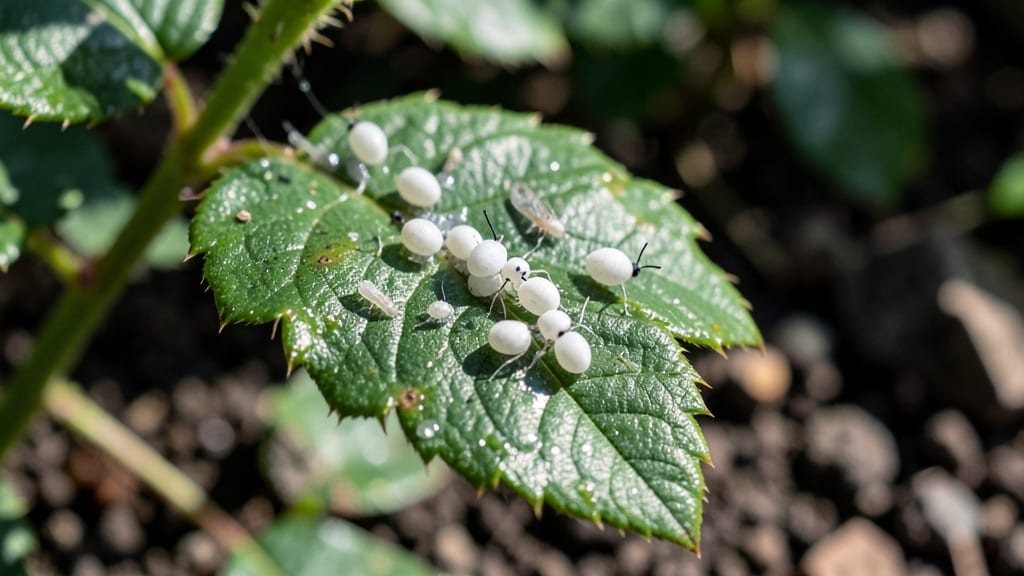
Those white bugs on your rose plants aren’t just annoying—they’re sucking the life out of your plants. 🌿 I’ve battled these pests and learned the 3 simple steps that actually work, without harsh chemicals or endless spraying.
The key? Catching them early before they turn your roses into a sticky mess.
These bugs thrive in dry, sheltered spots, so they often hide under leaves or in leaf creases. You’ll spot them as white, fuzzy clusters, and over time, your roses may look yellowed, stunted, or covered in a sticky residue called honeydew.
The good news? A foolproof treatment plan exists—one that’s fast, effective, and won’t harm your roses or the bees.
By the end of this, you’ll know exactly how to eradicate these pests in under 30 minutes using what you already have at home. No more helplessly watching your roses decline while the bugs multiply.
The best part? These steps work for other plants too—so you can save your entire garden.
Whether you’re a beginner or a seasoned gardener, this method is simple, repeatable, and guaranteed to give you back those healthy, blooming roses. Let’s get started—your plants won’t thank you for waiting.
Root Causes Of White Bugs
White bugs on your rose plants—likely mealybugs, aphids, or scale insects—don’t just appear out of nowhere. These tiny pests thrive due to specific conditions, often linked to your rose plant’s environment, health, or care habits.
Understanding why they show up is the first step to preventing and eliminating them. Let’s break down the key factors that turn your roses into a buffet for these white invaders.
---
Mealybugs and scale insects love stagnant, humid environments. Here’s why: - Moisture buys time: High humidity (above 60%) creates a damp, sticky atmosphere that protects these pests from drying out.
Mealybugs, in particular, secrete a waxy, cotton-like coating that retains moisture—perfect for survival. - Still air = pest paradise: Roses with dense foliage or crowded plantings trap humidity and limit airflow.
Without breezes or ventilation, pests multiply unchecked. - Overwatering backfires: While roses need consistent moisture, soggy soil and wet leaves create ideal conditions for aphids and mealybugs to thrive. Actionable fix: Space plants for airflow, prune thick growth, and water at the base (not overhead).
---
Stressed roses are like open doors for pests. Common stressors include: - Nutrient deficiencies: Lack of phosphorus (P) or potassium (K) weakens a rose’s ability to fend off invaders.
These nutrients help plants develop tougher cell walls and stronger immune responses. - Over-fertilization with nitrogen: Too much nitrogen (N) promotes lush, soft growth—but at the cost of resilience.
Pests adore tender, fast-growing leaves. - Disease or damage: Fungal infections (like powdery mildew) or physical harm (e.g., from hail or pests) create entry points for white bugs. Actionable fix: Use a balanced fertilizer (e.g., 10-10-10) and monitor for early signs of stress.
---
In a healthy garden, beneficial insects (like ladybugs, lacewings, and parasitic wasps) keep white bug populations in check. But when their numbers drop, pests surge.
Causes include: - Pesticide overuse: Broad-spectrum insecticides kill both pests and their natural predators, creating a vacuum that mealybugs rush to fill. - Monoculture gardening: Planting only roses (or similar species) reduces biodiversity, limiting the habitat for predator insects. - Seasonal shifts: Early spring or late fall may see fewer predators active, giving pests a temporary advantage. Actionable fix: Introduce companion plants (like marigolds or basil) to attract predators or use neem oil (which targets pests but is safer for beneficial insects).
--- Root-bound roses or those planted too closely to others struggle to absorb water and nutrients efficiently.
This stress manifests above ground as: - Stunted growth: Weak stems and leaves become easy targets for aphids and mealybugs. - Competition for resources: Overcrowded roots force plants to divert energy to survival rather than defense mechanisms. Actionable fix: Prune roots if repotting, space new roses 3–4 feet apart, and mulch to improve soil health.
--- White bugs often hitchhike into your garden via: - Infested nursery stock: New roses (or nearby plants) may carry hidden pests like mealybugs in their stems or undersides. - Gardening tools: Pruners, stakes, or pots contaminated with eggs or adults can spread infestations. - Wind or wildlife: Aphids, for example, are lightweight and can be blown onto roses from nearby infested plants. Actionable fix: Inspect new plants under leaves and in soil before bringing them home.
Sterilize tools with rubbing alcohol between uses.
--- White bugs are opportunistic and often exploit seasonal changes: - Warm winters: In mild climates, mealybugs and scale insects may survive year-round, building populations before spring. - Dry heat: While aphids prefer humidity, some white bugs (like woolly aphids) thrive in dry, hot conditions where roses are already stressed. - Sudden temperature swings: Stress from heatwaves or cold snaps weakens roses, making them vulnerable. Actionable fix: Use shade cloth in summer and row covers in early spring to buffer extremes.
How to Fix White Bug Infestations
Now that you know why those pesky white bugs—likely mealybugs, aphids, or scale insects—are invading your rose plants, it’s time to take action! The good news? With the right approach, you can banish them for good.
Below, we’ve broken down practical, step-by-step solutions tailored to each cause, plus prevention tips to keep your roses thriving.
---
Before treating, confirm the type of white bug.
Use a magnifying glass to check for: - Mealybugs: Cottony white clusters, waxy trails - Aphids: Tiny, pear-shaped, often clustered on new growth - Scale insects: Hard, shell-like bumps on stems/leaves - Whiteflies: Tiny moth-like bugs that flutter when disturbed
Pro Tip: 💡 If you’re unsure, snap a photo and compare it to online guides—accuracy ensures the right treatment!
---
For early-stage problems, physical removal works wonders—no chemicals needed!
#### 👨🍳 How to Do It: 1. Wipe down leaves with a damp microfiber cloth or cotton swab dipped in rubbing alcohol (70% isopropyl). This smothers mealybugs and dissolves their waxy coating. 2. Prune infested stems using sterilized scissors (wipe with rubbing alcohol between cuts).
Dispose of clippings in a sealed bag—do not compost! 3. Blast off pests with a strong stream of water from your hose. Repeat every 2–3 days to dislodge newly hatched bugs.
Pro Tip: ✨ Timing matters! Do this early in the morning when bugs are sluggish and least likely to scatter.
---
If the bugs persist, targeted treatments will help. Here’s what works best:
#### 🌿 Organic Solutions (Safe for Roses & Pollinators) | Treatment | How to Apply | Best For | |-----------------------------|----------------------------------------------------------------------------------|-------------------------------| | Neem Oil | Mix 1 tsp neem oil + 1 tsp mild soap + 1 quart water.
Spray evenly (top/bottom of leaves). Repeat every 5–7 days. | Mealybugs, aphids, scale | | Insecticidal Soap | Spray directly on bugs (avoid flowers). Reapply after rain. | Soft-bodied pests (aphids, mealybugs) | | Horticultural Oil | Apply when temps are above 50°F (avoid direct sun).
Smothers eggs and adults. | Scale insects, whiteflies | | Diatomaceous Earth (DE) | Sprinkle food-grade DE around soil and under leaves. Reapply after watering. | Crawling pests (mealybugs, aphids) |
Pro Tip: 🌡️ Neem oil works best at night—it’s less harmful to bees and breaks down in sunlight.
#### 💊 Chemical Solutions (For Severe Cases) If organic methods fail, systemic or contact insecticides can help: - Imidacloprid (Systemic) – Water into soil to kill bugs as they feed. Use sparingly (can harm bees). - Pyrethrin (Contact Spray) – Kills on contact but may need multiple applications. - Spinosad – Derived from bacteria, effective against soft-bodied pests.
Warning: ⚠️ Always follow label instructions—overuse can harm beneficial insects and soil health.
---
Once your roses are bug-free, prevent future invasions with these easy habits:
1. Inspect Regularly 🔍 – Check new leaves, undersides of leaves, and buds weekly. Early detection = easier treatment. 2. Encourage Beneficial Insects 🐞 – Attract ladybugs, lacewings, and parasitic wasps by planting dill, fennel, or marigolds nearby.
3. Maintain Plant Health 🌱 – Healthy roses resist pests! - Water at the base (not leaves) to reduce humidity. - Prune dead/diseased branches promptly. - Fertilize with balanced rose food (too much nitrogen = softer, more attractive plants).
4. Quarantine New Plants 🏷️ – Keep newly purchased roses separate for 2 weeks to spot hitchhiking pests. 5. Clean Up Debris 🧹 – Remove fallen leaves and petals where bugs hide over winter.
Pro Tip: 🎯 Preventive sprays (like neem oil every 2 weeks) can act as a deterrent during peak pest seasons (spring/fall).
---
If your rose is heavily damaged, don’t toss it! Try: 1. Trim back to healthy green growth (bugs rarely survive on strong stems). 2. Repot in fresh, sterile soil to remove hidden pests. 3. Isolate for 2–3 weeks while treating. 4. Monitor closely—new growth should emerge pest-free!
--- Final Reminder: Patience is key! Some treatments take 2–4 weeks to fully work. Stick with it, and your roses will bounce back stronger than ever! 🌹💪
Frequently asked questions
What do those white bugs on my roses look like up close?
Most white bugs on roses are either mealybugs (cottony, waxy clusters), aphids (tiny, pear-shaped, often clustered), or scale insects (hard, shell-like bumps). Use a magnifying glass to check leaf undersides and stems—mealybugs leave sticky honeydew trails, while aphids flutter when disturbed.
Will my roses recover if I don’t treat the white bugs?
They can recover, but severe infestations may cause permanent damage. Without treatment, bugs suck plant sap, leading to yellowing leaves, stunted growth, and weakened stems. Early action (like wiping leaves with soapy water) gives roses the best chance to bounce back fully.
Can I use dish soap to kill these bugs?
Yes! Mix 1 tablespoon mild dish soap + 1 quart water in a spray bottle and apply directly to bugs (avoid flowers). The soap disrupts their waxy coating, dehydrating them. Reapply every 2–3 days for 1–2 weeks to catch new hatchlings.
Why do these bugs keep coming back after I treat them?
Bugs often return because eggs survive treatments or new ones hitchhike from nearby plants. Focus on prevention: quarantine new plants, remove debris, and use neem oil every 2 weeks during peak seasons (spring/fall) to break their lifecycle.
Are these white bugs harmful to humans or pets?
No, they’re not dangerous to touch, but their honeydew can attract sooty mold (a black fungus). While not toxic, avoid ingesting large amounts of honeydew-covered leaves. Pets may get upset stomachs if they eat heavily infested plants—keep them away during treatment.