
Planting
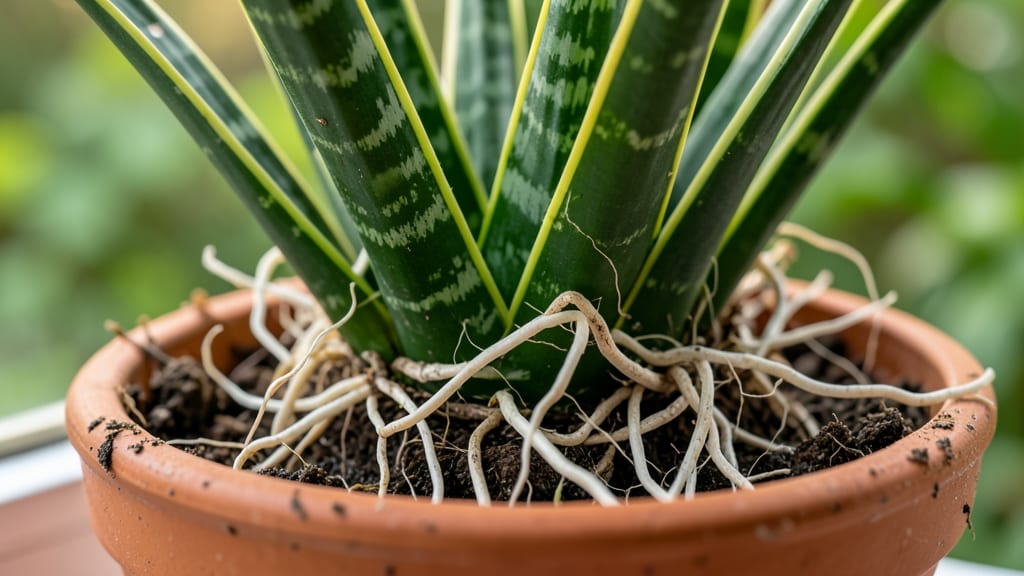
When your snake plant’s roots burst through drainage holes like tangled vines, it’s not just crowded—it’s stressed. 🌱 I’ve pulled snake plants from pots so root-bound they looked like a jungle, and with the right move, they bounce back stronger than ever.
The key is timing, technique, and a soil mix that lets those thick roots breathe again.
You’ll know it’s time to act when growth slows to a crawl, the soil dries out in 24 hours, or roots circle like a pretzel when you peek inside.
The fix isn’t complicated: a pot 2-3 inches wider, fresh well-draining soil, and a little root pruning to encourage outward growth. Skip the giant pot—snake plants hate excess space, and over-potting just delays the next root-bound crisis.
After repotting, hold off on watering for 5-7 days to let any damaged roots heal. Place it in bright, indirect light (no scorching sun) and watch for new leaves—a sign of recovery—within 4-6 weeks.
The best time to do this? Spring or early summer, when your snake plant’s energy is high.
Mistake alert: never use regular potting mix—snake plants need fast-draining** soil, or you’ll drown those roots you just freed. And if you see yellow leaves post-repot, it’s a cry for better airflow, not more water. Your plant’s comeback starts now—let’s get those roots happy again.
Root Bound Causes Explained
Understanding why your snake plant becomes root bound helps you prevent it before it becomes a problem. Here’s a breakdown of the most common culprits—each with a clear scientific explanation and actionable insights.
Snake plants (Sansevieria trifasciata) are slow growers, but their roots need space to expand. When planted in a pot that’s too small, the roots circle tightly around the root ball, depleting nutrients faster than they can be replenished.
This creates a feedback loop: - Root restriction → reduced oxygen uptake → slower nutrient absorption → stunted growth. - Over time, the roots strangle themselves, forcing them to compete for resources in a confined space.
💡 Pro Tip: A good rule of thumb is to upgrade pots every 2–3 years or when roots poke through drainage holes. If your snake plant’s roots are spiraling like a corkscrew, it’s a clear sign of root bound stress.
Snake plants thrive in well-draining soil but suffer when excess water lingers. If the pot lacks drainage holes or uses compacted, water-retentive soil, roots suffocate from lack of oxygen.
This leads to: - Anaerobic conditions (low oxygen) → root rot → toxic buildup of ethylene gas. - Roots can’t expand properly because they’re constricted by soggy soil, accelerating root bound symptoms like yellowing leaves or mushy stems.
⚠️ Warning Sign: If water sits in the saucer for more than 30 minutes after watering, your snake plant is at risk. Repot immediately into a terracotta or fabric pot with perlite or orchid bark for better aeration.
Snake plants are drought-tolerant, meaning they store water in their thick leaves. When overwatered, the roots absorb excess moisture but can’t release it efficiently in a small pot.
This causes: - Root cells swell from hydration → cell walls rupture → root death. - Fungal infections (like Phytophthora) thrive in waterlogged roots, blocking nutrient pathways and forcing the plant to conserve energy—often by stunting root growth.
🔥 Quick Fix: Let the top 2–3 inches of soil dry completely before watering again. If repotting, trim mushy, black roots with sterilized scissors and reduce watering by 50% for 2 weeks.
Snake plants can live for decades, but their pots don’t grow with them.
Over years, the root system outgrows its container, leading to: - Root circling (roots grow in loops, choking themselves). - Nutrient depletion (soil breaks down, losing fertility faster in small pots). - Physical stress (roots press against pot walls, restricting growth hormones like auxin).
📊 Science Note: Studies show that root-bound plants produce 30% less chlorophyll due to stress, leading to paler leaves and slower photosynthesis.
Snake plants prefer warmth (60–85°F) but suffer in temperature swings. If kept in:
- Cold drafts (below 50°F), roots slow metabolic activity, reducing expansion.
- Hot, cramped spaces (like a south-facing window without airflow), roots overheat, drying out and losing flexibility.
✨ Solution: Place your snake plant in indirect light and avoid plastic pots (they trap heat). If roots are brittle or shriveled, soak them in lukewarm water for 10 minutes before repotting.
Final Thought: Root bound isn’t just about pot size—it’s a combination of physical, chemical, and environmental stressors. By addressing drainage, watering, and repotting habits, you’ll give your snake plant’s roots the space and conditions they need to thrive. 🚀
How to Fix Root-Bound Snake Plants
🌱 If your snake plant’s roots are circling like a tangled mess, don’t panic—this is a fixable issue! The key is to repot properly, give it space to breathe, and prevent future crowding.
Below, we break down the exact steps to revive your plant, tailored to the most common causes of root binding.
Before diving into repotting, diagnose the severity of the root bind.
Gently remove the plant from its pot and inspect: - Mild bind: Roots are tightly packed but still flexible. - Severe bind: Roots are circling, hardened, or even growing out of drainage holes. - Rot or damage: If roots are mushy, black, or smelly, trim them immediately (more on this below).
💡 Pro Tip: If your snake plant is top-heavy or leaning, it’s a red flag—time to repot!
✅ Pot Size: Go 1–2 inches larger in diameter than the current pot. Snake plants thrive in slightly snug spaces, but a cramped pot accelerates root binding. ✅ Drainage: Ensure the new pot has drainage holes—stagnant water = root rot. ✅ Soil Mix: Use a well-draining, chunky mix (60% potting soil, 30% perlite/pumice, 10% orchid bark or coco coir). Avoid dense, water-retentive soils.
🌡️ Soil Test Hack: Press a handful of soil—if it clumps tightly when dry, it’s too dense. Add perlite to loosen it up!
1️⃣ Loosen the Roots
- Gently tease apart circling roots with your fingers (no need to force it—snake plants are tough!).
- If roots are severely matted, use a sterilized knife to carefully slice through them (this encourages outward growth).
2️⃣ Trim Damaged Roots
- Healthy roots are firm, white, or light tan.
- Trim black, mushy, or squishy roots with clean scissors (dip in hydrogen peroxide or rubbing alcohol first).
- Avoid over-trimming—snake plants recover well, but don’t remove more than 20–30% of the root system.
3️⃣ Plant with Care
- Place a 1-inch layer of fresh soil in the new pot.
- Position the plant centered, so it sits at the same depth as before.
- Fill around the roots with soil, gently pressing down to eliminate air pockets.
- Water lightly after repotting (only enough to moisten the soil—no soaking!).
⏰ Post-Repot Care:
- Hold off on fertilizing for 4–6 weeks (roots need time to adjust).
- Place in bright, indirect light (avoid harsh sun for 1–2 weeks).
- Water only when the top 2 inches of soil are dry (overwatering = root rot).
📊 Rotate & Monitor Growth
- Turn the pot ¼ turn every 2–3 months so the plant grows evenly (not just toward the light).
- Check roots annually—if they’re circling again, repot before they become a problem.
🥗 Soil & Pot Maintenance
- Refresh soil every 2–3 years (old soil compacts and loses drainage).
- Use terracotta pots (they dry faster, reducing root stress).
- Avoid over-potting—snake plants prefer being slightly root-bound over being drowned in extra space.
🎯 Long-Term Prevention Tips
- Prune leaves to encourage bushier growth (long, leggy leaves = more root demand).
- Use a self-watering pot with caution—snake plants hate soggy feet!
- If repotting feels overwhelming, try top-dressing: Remove the top 2 inches of soil, add fresh mix, and tuck in new soil around the edges.
✨ Final Thought: A root-bound snake plant is just asking for attention—give it space, fresh soil, and a little TLC, and it’ll bounce back stronger than ever! 💪🌿
Frequently asked questions
How do I know if my snake plant is truly root bound?
Check for these signs: roots growing out of drainage holes, soil drying out in just 24 hours, or roots circling tightly like a pretzel when you remove it from the pot. If your plant leans heavily or grows slowly despite good care, it’s likely root bound. The best test? Gently squeeze the root ball—if it feels rock-hard, it’s time to repot.
Can I repot my snake plant in winter?
Winter isn’t ideal because snake plants grow slower during cooler months. Wait until spring or early summer when your plant is actively growing. If you must repot in winter, choose a slightly smaller pot (just 1 inch wider) and reduce watering to every 3-4 weeks until warmer weather returns.
What’s the best soil mix for preventing root bound issues?
Use a chunky, fast-draining mix: 60% cactus/succulent soil, 30% perlite or pumice, and 10% orchid bark or coco coir. This prevents compaction and keeps roots oxygenated. Pro tip: Add a handful of charcoal to reduce moisture retention. Avoid regular potting soil—it holds too much water and suffocates roots.
Should I trim healthy roots when repotting?
Only trim circling or damaged roots. Healthy roots (firm, white/tan) should stay intact. Use sterilized scissors to make clean cuts, and avoid removing more than 20-30% of the root system. This helps the plant recover faster without shock.
How often should I repot my snake plant?
Repot every 2-3 years or when roots fill 70% of the pot. Snake plants thrive in slightly snug spaces, so don’t rush to upgrade pots. A good rule: If you repot more than once a year, you’re over-potting—this causes water retention issues and slows growth.