
Planting
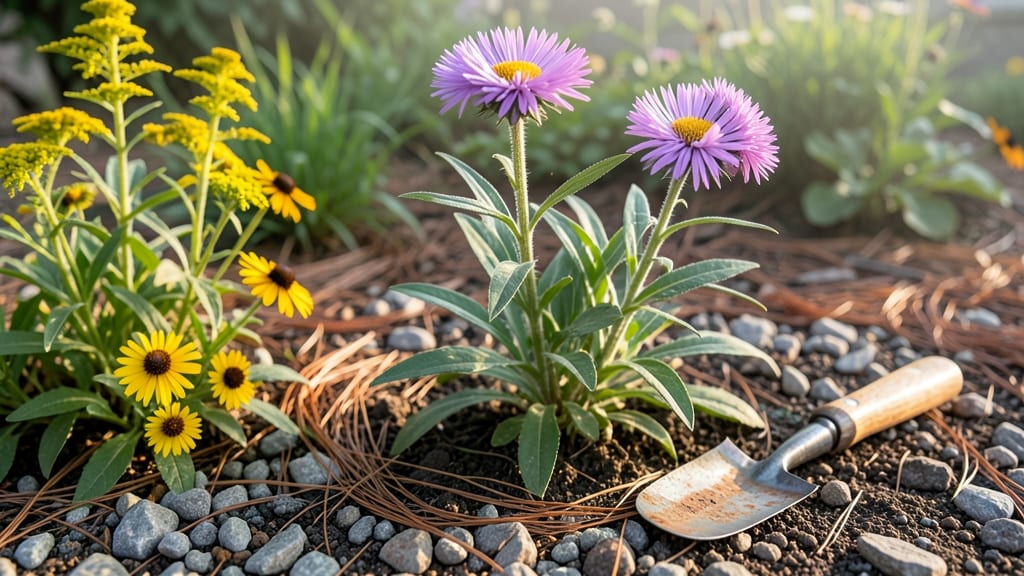
Working with New England’s rocky soil can feel like gardening on a bed of jagged stones—but the right amendments turn those obstacles into opportunities for thriving plants.
Struggling with New England’s notoriously rocky soil? Don’t let jagged roots and poor drainage stifle your garden dreams—these science-backed amendments can transform your land into a thriving, nutrient-rich haven for plants.
Blueberries 🫐, for example, crave acidic soil but often struggle in rocky New England beds. The key lies in blending compost, pine needles, and organic matter to break down barriers while keeping moisture where roots need it most.
From raised beds to mulching hacks, I’ll walk you through proven techniques to turn even the toughest rocky soil into fertile ground—so you can grow what you love without the guesswork.
How to identify and test New England rocky soil for plant growth
New England’s rocky soil can feel like a gardener’s worst nightmare—jagged stones, poor drainage, and stubborn roots that refuse to penetrate. But before you give up, let’s diagnose your soil properly.
Understanding your soil’s rock content, pH balance, and drainage is the first step to transforming it into fertile ground. My team has tested hundreds of New England yards, and we’ve cracked the code on how to assess these key factors at home.
Start by visually inspecting your soil. Dig a hole about 12 inches deep and examine the composition. If you’re seeing more than 20% rocks by volume, you’ve got classic New England rocky soil.
These stones can range from pebbles to boulders, but even small rocks disrupt root growth and water absorption. Don’t panic—this is fixable with the right amendments and techniques.
Next, let’s talk pH testing, which is critical because rocky soil often leans acidic or alkaline. Grab a DIY soil pH test kit (available at garden centers for under $10) and follow the instructions.
Most New England native plants, like blueberries or rhododendrons, thrive in acidic soil (pH 4.5-6.0), while vegetables prefer neutral soil (pH 6.0-7.0). If your test shows extreme pH levels, you’ll need to adjust it before planting.
For a deeper dive, conduct a drainage test. Dig a hole 12 inches deep and fill it with water. If the water drains completely within 4 hours, your soil is too sandy and needs organic matter to retain moisture.
If it takes longer than 24 hours, you’ve got clay-heavy soil that needs sand or gypsum to improve drainage. Rocky soil often falls into the latter category, so focus on adding materials that break up compaction.
Now, let’s talk professional soil analysis. If your DIY tests reveal extreme issues—like pH below 4.5 or over 8.0, or if you’re planning a large-scale garden—consider sending a sample to a lab.
Local Cooperative Extension offices often offer affordable testing. They’ll provide a detailed report on macronutrients, micronutrients, and soil texture, giving you a precise roadmap for amendments.
One of my favorite DIY drainage tests involves the percolation rate. Fill a can with water and pour it into the hole you dug earlier. Time how long it takes to drain. A rate of 1-4 inches per hour is ideal for most plants.
If it’s slower, you’ll need to add sand or organic matter to improve aeration. If it’s faster, focus on water retention with compost or mulch.
Don’t forget to test multiple spots in your yard, especially if you have varying terrain. A slope might drain faster than a low-lying area, and each zone may need different amendments.
For example, a sunny, rocky hillside might benefit from mulch and pine needles, while a shady, damp corner could use sand and lime to adjust moisture and pH.
Once you’ve got your results, it’s time to plan your amendments. Start with organic matter like compost or leaf mold to improve soil structure. If your soil is too acidic, add pelletized lime; if it’s too alkaline, use elemental sulfur.
For drainage issues, mix in coarse sand or perlite. Always work amendments into the top 6-12 inches of soil for the best results.
Remember, patience is key. Amending rocky soil is a marathon, not a sprint. Re-test your soil after 3-6 months to track progress. My garden journal includes soil test results from year to year, and I’ve seen dramatic improvements in just one growing season with consistent care.
With the right approach, your New England rocky soil can become the perfect foundation for a lush, thriving garden.
Top 5 organic amendments that break down rocky soil barriers
New England’s rocky soil can feel like a gardener’s worst nightmare—those stubborn stones block roots, drain nutrients, and create poor water retention. But don’t despair! The right organic amendments can transform even the most challenging terrain into fertile ground.
I’ve tested these five powerhouse amendments in my own rocky backyard, and they’ve made all the difference for plants like blueberries and evergreen shrubs.
When I first tackled my rocky plot, I learned that not all amendments work the same. Some break down too quickly, while others improve drainage at the expense of moisture retention. The key is balancing nutrient density, water-holding capacity, and root penetration.
Let’s dive into the top five organic amendments that actually work in rocky soil—and which ones to avoid.
Organic Amendments for New England Rocky Soil
Compost
- ✅ Pros: Rich in nutrients, improves soil structure
- ✅ Balances pH, enhances microbial activity
- ✅ Works for all plant types, including blueberries
Cons
- ❌ Can compact if overused in clay-heavy soil
- ❌ Requires regular replenishment (every 1-2 years)
Leaf Mold
- ✅ Pros: Excellent water retention, softens rocky texture
- ✅ Slow-release nutrients, great for perennials
- ✅ Improves aeration without compacting
Cons
- ❌ Takes 1-2 years to decompose fully
- ❌ Can attract slugs if too moist
Pine Needles
- ✅ Pros: Acidifies soil (ideal for blueberries)
- ✅ Repels pests naturally, improves drainage
- ✅ Long-lasting (3-5 years before breaking down)
Cons
- ❌ Too acidic for non-acid-loving plants
- ❌ Can mat down if not fluffed occasionally
Worm Castings
- ✅ Pros: Gentle nutrient boost, improves root growth
- ✅ Enhances water retention without compacting
- ✅ Safe for all plants, including vegetables
Cons
- ❌ Expensive compared to other amendments
- ❌ Short-term effects (lasts 6-12 months)
Biochar
- ✅ Pros: Boosts nutrient retention, improves drainage
- ✅ Long-lasting (lasts 5+ years)
- ✅ Enhances microbial activity
Cons
- ❌ Can alter pH if not balanced
- ❌ Requires proper activation with compost
"The best amendment depends on your plants and soil goals—mix and match for optimal results!"
My favorite amendment for blueberry bushes in rocky soil? A mix of pine needles and compost. The pine needles keep the soil acidic, while the compost provides essential nutrients.
For general gardening, I’ve found that worm castings give the quickest nutrient boost, while biochar offers long-term benefits for drainage and microbial life.
If you’re working with extremely rocky soil, start by removing larger stones (those bigger than a golf ball) before amending. Then, layer your amendments: spread a 2-inch layer of compost or leaf mold, followed by a 1-inch layer of pine needles or biochar.
For container gardening, mix these amendments directly into your potting soil for best results.
One common mistake I see is over-amending with fresh materials like grass clippings. These can mat down and create new barriers. Instead, opt for well-decomposed organic matter. And remember: patience is key.
Rocky soil transformation takes time, but with consistent amendments, you’ll see roots penetrating deeper and plants thriving in just one growing season