
Planting
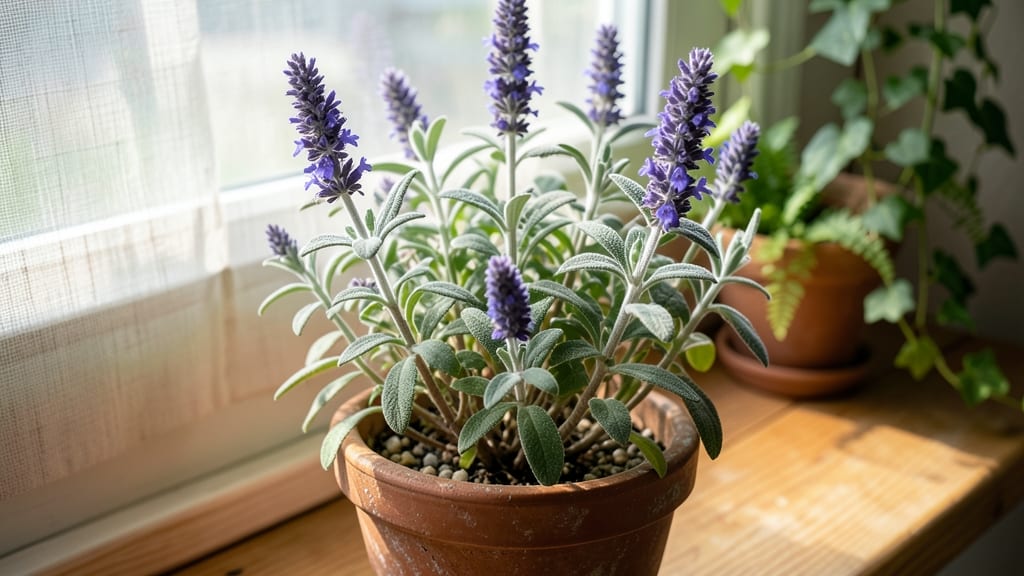
Sage herb plant flowers aren't just pretty—they're fragrant purple magnets for bees that turn your garden into a buzzing paradise. 🌿 I learned the hard way that letting it flower too early can ruin your harvest, but with the right timing, you get both culinary leaves AND stunning blooms.
The secret is in the pruning schedule, which keeps the plant productive while still letting those delicate purple spikes appear. Most gardeners focus only on the leaves, but flowering sage actually improves the plant's health by encouraging new growth.
Start by planting in well-draining soil with full sun exposure—at least 6-8 hours daily. Water just enough to keep the soil lightly moist, but never soggy, as sage hates wet feet. The key to those showstopping blooms?
Prune back by one-third in early spring before new growth appears, then let the side branches develop naturally. By midsummer, you'll see clusters of tiny purple flowers that bees can't resist, while the leaves stay fragrant and tender.
The aroma alone makes it worth growing—just imagine fresh sage leaves for your holiday stuffing while purple blooms dance in the breeze. This dual-purpose plant works in borders, containers, or even as a low hedge with proper spacing. The best part?
Sage flowers are edible too, though they're milder than the leaves. Just avoid over-pruning if you want both flowers and harvests. For propagation, take 4-inch cuttings in early summer and root them in moist sand—it's easier than you'd think!
📚 In This Guide
- What you need
- Instructions
- Tips and common mistakes
- Wrapping up and next steps
What you need
- ● Sage seeds or seedlings: Choose Salvia officinalis (common sage) or Salvia nemorosa (purple sage) for vibrant blooms. 1-2 plants per 12-inch pot or 6-8 seeds for direct sowing.
- ● Well-draining potting mix: 5-10 gallons (depending on container size). Mix with 20-30% perlite or coarse sand to prevent root rot.
- ● Containers or garden bed: Containers: 5-7 gallon pots with drainage holes (terracotta or fabric grow bags work best).
- ● Garden bed: Full sun (6+ hours daily) and slightly alkaline soil (pH 6.5-7.5).
- ● Organic fertilizer: Balanced 10-10-10 or slow-release granules (follow package rates for flowering plants).
- ○ Watering can or hose with nozzle: Drip irrigation or soaker hose (optional but ideal for consistent moisture).
- ● Gloves and knee pads: Protect your hands and knees during planting.
- ● Trowel or hand shovel: For transplanting seedlings or amending soil.
- ● Pruning shears: Sharp, clean pair for trimming dead blooms or shaping plants.
- ○ Mulch (optional): 2-3 inches of straw or wood chips to retain moisture and suppress weeds.
- ○ Bee-friendly companions (optional): Plant lavender, thyme, or marigolds nearby to attract pollinators!
How to grow fragrant purple sage flowers that attract pollinators
Here's how I coax those stunning purple blooms from common sage plants—no fancy tricks, just smart care.
🌱 Step 1: Select the Right Sage Variety for Flowers
Not all sage produces showy blooms. For dramatic purple flowers, choose purple sage (Salvia officinalis 'Purpurascens') or clary sage (Salvia sclarea)—both thrive in sunny spots and reward you with fragrant spikes. Avoid culinary sage varieties like 'Berggarten,' which focus on leaves rather than flowers.
If you already have common sage, don't worry—it may still flower, but the blooms will be smaller and less vibrant. For the best results, start with a named flowering variety from a reputable nursery. I always check the plant tag for 'purple' or 'fragrant' in the name—those are your clues.
☀️ Step 2: Plant in Full Sun With Well-Draining Soil
Sage flowers need at least 6 hours of direct sunlight daily—more is better. A south-facing spot gets the job done, but east or west exposures work too if you're in a hot climate. Too little light means leggy stems and sparse blooms, so watch for plants stretching toward the sun.
Use loamy, well-draining soil—sage hates soggy roots. Amend heavy clay with 2-3 inches of compost and a handful of perlite to improve drainage. I dig a hole twice as wide as the root ball and mix in a scoop of slow-release fertilizer (like 10-10-10) to give flowers a nutrient boost without burning the plant.
💧 Step 3: Water Sparingly and Prune for Bushier Growth
Water only when the top 2 inches of soil feel dry—sage is drought-tolerant once established. Overwatering causes root rot and stunted blooms. I use a soaker hose to deliver moisture slowly at the base, avoiding wet foliage, which invites fungal diseases. After watering, let excess drain completely.
To encourage more flowers, prune back leggy stems in early spring by ⅓ of their length. This triggers bushier growth and more flowering branches. I also remove spent flower spikes after they fade—this redirects the plant's energy into producing fresh blooms rather than seeding. Deadheading isn't mandatory, but it keeps the plant looking tidy and flowering longer.
✂️ Step 4: Fertilize Lightly for Vibrant Blooms
Use a balanced, water-soluble fertilizer (like 10-10-10) once in early spring and again after the first flush of flowers. Too much fertilizer leads to leafy growth at the expense of blooms. I mix ½ teaspoon per gallon of water and apply it to the soil—not the leaves—to avoid burning the foliage.
For organic gardeners, a compost tea or fish emulsion (diluted to 1 tablespoon per gallon) works well. Stop fertilizing 6-8 weeks before your first frost—this helps the plant harden off for winter. You'll notice the difference in brighter purple blooms and more abundant flowering stems when you feed just enough.
🐝 Step 5: Protect Flowers and Encourage Pollinators
Sage flowers attract bees, butterflies, and hummingbirds—just don't use pesticides near them. If pests like aphids appear, blast them off with a strong stream of water or spray with neem oil (mixed per label instructions). I avoid chemical sprays entirely, as they harm pollinators and reduce flower production.
To prolong blooming, mulch around the base with 2-3 inches of straw or wood chips in late spring. This keeps roots cool and retains moisture without smothering the plant. In fall, cut back dead stems to 4-6 inches tall and cover with a light layer of mulch to protect from winter cold. With this care, your sage will return year after year with even more fragrant purple blooms.
Tips & tricks for growing stunning purple sage flowers
These simple secrets will help you coax the most vibrant, fragrant blooms from your sage plants—without the guesswork.
Variety Matters: If you're starting with common garden sage, don't expect showstopping purple blooms. For the most dramatic results, opt for purple sage (Salvia officinalis 'Purpurascens') or clary sage (Salvia sclarea). These varieties are bred specifically for their fragrant, eye-catching flowers. I've found that nursery-grown plants labeled "fragrant" or "purple" consistently produce the best blooms. Check the plant tag before purchasing—it's your best clue to finding a flowering variety.
Sunlight Secret: That 6 hours of direct sunlight requirement isn't just a suggestion—it's non-negotiable for vibrant blooms. I've seen plants in partial shade produce flowers, but they're always smaller and less fragrant. If your garden lacks full sun, consider growing your sage in containers and placing them on a sunny patio or balcony during the growing season. South-facing windowsills work too, though you'll need to rotate the pots regularly for even exposure.
Pruning for Perfection: When you prune those leggy stems back by ⅓ of their length in early spring, you're not just tidying up—you're setting the stage for a bushier plant with more flowering branches. I like to do this just as new growth begins to appear in spring. For even better results, make a habit of removing spent flower spikes as they fade. This simple step redirects the plant's energy toward producing fresh blooms instead of seeding, which can extend your flowering season by several weeks.
Fertilizer Timing: The key to vibrant blooms lies in that balanced, water-soluble fertilizer applied once in early spring and again after the first flush of flowers. Too much fertilizer, especially later in the season, will encourage leafy growth at the expense of flowers. I've learned this the hard way—last year, I fertilized too late and ended up with a lush sage plant but very few blooms. Remember to stop fertilizing 6-8 weeks before your first frost to help the plant harden off properly for winter.
Pro Tips for Sage Herb Plant Flowers
- These simple secrets will help you coax the most vibrant, fragrant blooms from your sage plants—without the guesswork.
- Variety Matters: If you're starting with common garden sage, don't expect showstopping purple blooms.
- Sunlight Secret: That 6 hours of direct sunlight requirement isn't just a suggestion—it's non-negotiable for vibrant blooms.
Frequently asked questions
Got questions about growing and enjoying sage herb plant flowers? You’re not alone! Here are some of the most common queries—plus quick answers to help you cultivate those fragrant purple blooms with confidence.
When do sage flowers bloom, and how long do they last?
Sage flowers typically bloom in late spring to early summer, with some varieties producing a second flush in late summer. Each cluster lasts about 2–4 weeks, but the plant may continue flowering intermittently until frost. For extended blooms, deadhead spent flowers regularly to encourage new growth.
Can I eat sage flowers, or are they just for show?
Sage flowers are edible and delicious, adding a mild, slightly peppery flavor to dishes. Use them fresh in salads, garnishes, or infused oils. Just avoid flowers from plants treated with pesticides—opt for organic or homegrown for safety.
Why aren’t my sage flowers attracting bees or hummingbirds?
Bees and hummingbirds love sage flowers, but they need full sun (6+ hours/day) and well-draining soil. If blooms are sparse, check for:
- Overcrowding (thin plants for airflow)
- Nutrient deficiency (add compost or balanced fertilizer)
- Pests (inspect for aphids or spider mites)
What’s the best way to propagate sage from flowers?
While sage is usually propagated from stem cuttings, you can try seed-saving from flowers (though varieties may not stay true). After blooms fade, collect seeds, dry them, and plant in spring. For faster results, stick to cuttings—sage rarely self-seeds reliably.
Can I grow sage flowers in containers, or do they need a garden bed?
Yes! Sage thrives in containers with drainage holes, making it perfect for patios or balconies. Use a 5–7 gallon pot for mature plants, and prune regularly to control size. Just ensure it gets full sun—containers dry out faster than garden beds.
Pro Tip:
For longer-lasting blooms, prune sage after flowering to encourage bushier growth. Avoid heavy pruning in fall—sage needs time to harden off for winter.
Wrapping up and next steps
From its fragrant purple blooms to its bee-luring charm, the sage herb plant isn’t just a kitchen staple—it’s a garden superstar! 🌿 Whether you’re growing it for culinary delights, natural pest control, or simply to brighten your outdoor space, sage offers low-maintenance beauty and practical benefits.
Ready to dive in? Start small—plant a few seeds or cuttings in your herb garden or containers, and watch your space (and your meals!) transform with this versatile, resilient herb.
💡 Pro Tip: Share your sage blooms with pollinators by leaving some flowers intact—your garden (and the bees!) will thank you.