
Planting
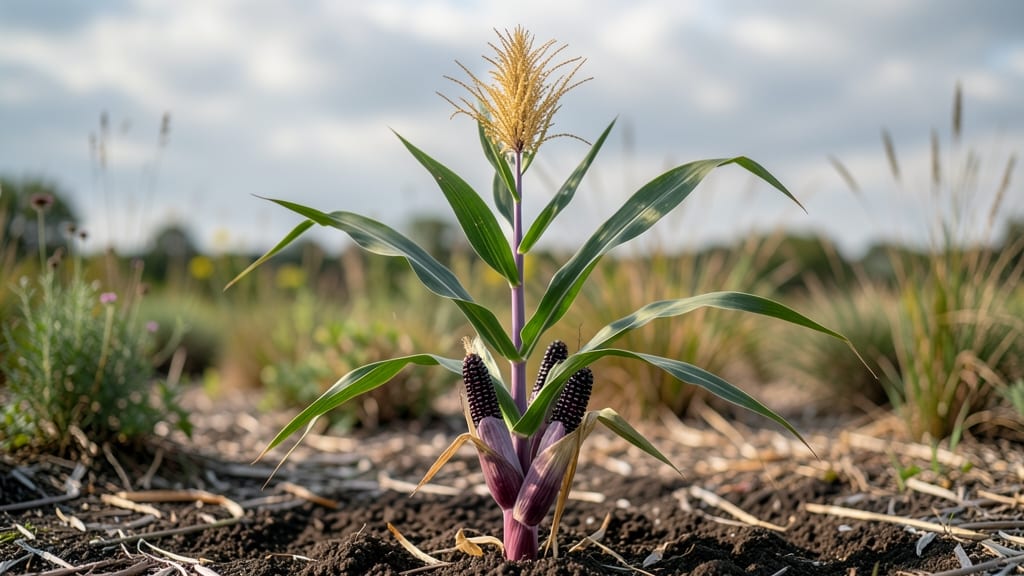
Growing purple corn isn't just about colorful kernels—it's about transforming your garden into a striking, edible art piece. 🌱 The key starts with selecting the right variety (ornamental or edible) and matching it to your climate, since these plants thrive in warm zones but need patience in cooler areas.
You'll need well-draining soil with plenty of organic matter—think rich, loamy garden beds or large containers with drainage holes. Purple corn demands full sun (6+ hours daily) and consistent moisture, especially during tasseling.
The secret weapon? A trellis or sturdy stakes to support those heavy stalks as they grow 6-8 feet tall.
By mid-summer, you'll watch those vibrant purple husks form, eventually revealing kernels that range from deep violet to almost black. Harvest when silks turn brown, and dry properly to preserve that stunning color. The payoff? Not just beautiful plants, but edible corn with unique flavor and nutrition.
Watch for corn earworm moths and fungal diseases like leaf blight—both love warm, humid conditions. Rotate crops annually and remove debris to keep your purple corn thriving season after season. The effort turns your garden into a showstopper while filling your kitchen with something truly special.
📚 In This Guide
- What you need
- Instructions
- Tips and common mistakes
- Wrapping up and next steps
What you need
- ● Purple corn seeds – Opt for heirloom or non-GMO varieties for the best flavor and color. You’ll need about 10-20 seeds per plant (or 1 lb. for a larger harvest).
- ● Well-draining potting mix or garden soil – A blend of 60% topsoil, 20% compost, and 20% perlite or sand works best. Purple corn thrives in loamy, slightly acidic soil (pH 5.8-6.5).
- ● Containers or garden bed – Containers: 5-gallon pots or larger (at least 12" deep) with drainage holes. Use 2-3 plants per container.
- ● Garden bed: Ensure 6-8 hours of sunlight daily and space plants 12-18 inches apart in rows 3 feet apart.
- ● Watering can or hose with a gentle spray nozzle – Purple corn needs 1-1.5 inches of water per week, especially during flowering.
- ● Fertilizer – Balanced organic fertilizer (10-10-10 or 5-5-5) – Apply at planting and again when tassels emerge.
- ● Compost or worm castings – Mix into soil at planting for slow-release nutrients.
- ○ Stakes or trellis (optional but helpful) – Purple corn can grow 6-8 feet tall; stakes prevent lodging and make harvesting easier.
- ● Pruning shears – For trimming dead leaves or managing plant growth.
- ● Hardiness zone: Purple corn grows best in zones 4-11. Start seeds indoors 8-10 weeks before the last frost if in cooler zones.
- ● Temperature: Ideal growing range is 70-85°F (21-29°C). Avoid planting until soil is at least 60°F (15°C).
- ● Sunlight: Full sun (6+ hours daily) is a must for vibrant purple kernels and robust growth.
- ● Patience! – Purple corn takes 100-120 days to maturity, so plan ahead for a late-summer harvest.
- ● Mulch (straw or grass clippings) – Helps retain moisture and suppress weeds.
- ● Drip irrigation system – Ensures consistent watering, especially in hot climates.
- ● Row covers or shade cloth – Protects young plants from pests or excessive heat.
- ● pH testing kit – Adjust soil pH with lime (to raise pH) or sulfur (to lower pH) if needed.
- ● Journal or plant markers – Track progress and label varieties if growing multiple types.
How to grow a thriving purple corn plant
Here's the straightforward approach I've used to grow bold purple corn year after year.
🌱 Step 1: Select and Prepare Your Growing Space
Purple corn thrives in full sun with at least 6-8 hours of direct light daily. Choose a spot with well-draining soil—corn hates soggy roots. If your soil is heavy clay, mix in 2-3 inches of compost to improve drainage and fertility. I like to test my soil pH first; purple corn prefers a slightly acidic to neutral range of 6.0-7.0.
Corn grows tall, so space your plants 12-18 inches apart in rows 3 feet apart to allow airflow. This prevents fungal diseases that can turn those beautiful purple kernels into mush. If you're growing in containers, use pots at least 12 inches deep—deeper is better for root development.
🌱 Step 2: Plant Seeds at the Right Time and Depth
Wait until the soil temperature reaches 60°F or warmer—corn seeds won't germinate well in cooler soil. Plant seeds 1 inch deep and 1 inch apart in rows. I like to plant 2-3 seeds per hole and thin to the strongest seedling once they're 3-4 inches tall. This ensures you don't waste seeds and gives you a head start on thinning.
Here's the thing—corn seeds need warmth to germinate. If your spring is cool, consider using a seedling heat mat to keep the soil 75-85°F during germination. You'll see sprouts in 7-14 days if conditions are right. If they take longer, check that the soil isn't too dry or cold.
☀️ Step 3: Water and Fertilize for Strong Growth
Water deeply 1-2 inches per week, keeping the soil consistently moist but not waterlogged. The key is to water at the base of the plant rather than overhead—this prevents fungal diseases from splashing onto the leaves. You'll know you're doing it right when the top 1-2 inches of soil feel dry to the touch before watering again.
Feed your purple corn with a balanced fertilizer, like 10-10-10, every 4-6 weeks once the plants are 6 inches tall. I like to side-dress with compost halfway through the growing season to give the plants a nutrient boost without overdoing it. Avoid high-nitrogen fertilizers—they'll make your plants grow lush leaves but few ears of corn.
✂️ Step 4: Monitor for Pests and Diseases
Keep an eye out for common corn pests like corn earworms and aphids. If you spot them, use neem oil or insecticidal soap to treat the plants—these are safe for your garden and effective against soft-bodied insects. I also like to handpick larger pests like corn earworms when I see them.
Watch for signs of fungal diseases like gray leaf spot or southern corn leaf blight. These show up as brown or gray spots on the leaves. To prevent them, avoid overhead watering and make sure your plants have good airflow. If you notice any issues, remove the affected leaves immediately and treat the plant with a fungicide if necessary.
🌽 Step 5: Harvest at the Right Time for Best Flavor
Purple corn is ready to harvest when the silks turn brown and dry, and the kernels are plump and firm. This usually happens 60-90 days after planting, depending on your variety. To test for doneness, peel back the husk and check a kernel—it should be milky white inside. If it's still hard and clear, wait a few more days.
Harvest by cutting the stalk 1-2 inches above the ear with a sharp knife or pruners. Be gentle—you don't want to damage the plant or the ear. Once harvested, store the corn in a cool, dry place for up to 1 week or freeze it for longer storage. The vibrant purple color will fade as it dries, but the flavor remains rich and sweet.
Tips & tricks for growing vibrant purple corn
These practical insights will help you cultivate stunning purple corn that rivals the boldest harvests.
Sunlight Strategy: While the instructions mention 6-8 hours of sunlight, I've found that purple corn actually thrives with even more light—up to 10 hours daily if possible. Position your plants where they'll receive morning sun exposure, as this helps maintain the vibrant color. If growing in containers, place them on a sunny patio or balcony where they can follow the sun's arc throughout the day.
Soil Temperature Secret: The 60°F soil temperature threshold is crucial, but don't be afraid to push it slightly higher during germination. I've had the best success keeping soil between 70-75°F using a simple seedling heat mat. This warmer range not only speeds up germination but also helps prevent damping off disease, which can be particularly problematic with corn seedlings.
Thinning Technique: When thinning your seedlings to the strongest plant, don't rush this step. Wait until they reach 3-4 inches tall, then snip at soil level rather than pulling. This prevents disturbing the roots of your remaining plants. I've noticed that plants thinned carefully at this stage develop stronger root systems and produce more robust ears.
Watering Wisdom: The 1-2 inches per week guideline works well, but timing matters just as much. Water in the early morning so the leaves have time to dry completely before evening. This simple adjustment has dramatically reduced fungal issues in my gardens. For container-grown corn, check moisture daily—pots dry out faster than in-ground plantings.
Pro Tips for Purple Corn Plant
- These practical insights will help you cultivate stunning purple corn that rivals the boldest harvests.
- Sunlight Strategy: While the instructions mention 6-8 hours of sunlight, I've found that purple corn actually thrives with even more light—up to 10 hours daily if possible.
- Soil Temperature Secret: The 60°F soil temperature threshold is crucial, but don't be afraid to push it slightly higher during germination.
Frequently asked questions
Got questions about growing or caring for your purple corn plant? You’re not alone! Here are answers to the most common queries to help you nurture a thriving harvest.
How long does it take for purple corn to mature?
Purple corn typically takes 90–120 days to reach maturity from planting, depending on your climate and variety. In warmer regions, you might see faster growth, while cooler areas may extend the timeline. Plant early in spring for a summer harvest or opt for shorter varieties if space is limited.
How much water does a purple corn plant need?
Purple corn thrives with 1–1.5 inches of water per week, especially during flowering and tasseling. Avoid overwatering—soggy soil can lead to root rot. Use mulch to retain moisture, and water deeply at the base of the plant to encourage strong root development.
Can I grow purple corn in containers?
Yes! Purple corn can grow in containers if you choose dwarf or bush varieties and provide at least 5-gallon pots per plant. Ensure the container has drainage holes, and use a well-draining soil mix. Containers work well for small spaces but may yield fewer ears than in-ground planting.
What are the most common pests for purple corn, and how do I prevent them?
Watch for corn earworms, aphids, and corn rootworms. To prevent pests, rotate crops annually, use row covers early in the season, and practice good garden hygiene. If needed, apply organic sprays like neem oil or introduce beneficial insects like ladybugs to keep pests at bay.
Does purple corn grow well in cold climates?
Purple corn prefers warmth (70–85°F), so cold climates may struggle with slower growth or poor yields. Start seeds indoors 4–6 weeks before the last frost, use black plastic mulch to warm the soil, or choose faster-maturing varieties. If frost threatens, cover young plants with frost cloth for protection.
Wrapping up and next steps
Growing your own purple corn plant is a rewarding journey that brings vibrant color, unique flavors, and a touch of whimsy to your garden—or even your kitchen! 🌱 From selecting the right seeds to nurturing them with care, each step unlocks the potential for a stunning harvest.
Whether you're drawn to its striking appearance, nutritional benefits, or culinary versatility, this plant is a fantastic addition to any green thumb’s repertoire.
Ready to dive in? Start small—plant a few seeds or a single pot—and let your curiosity guide you. Before you know it, you’ll be savoring the sweet, nutty taste of homegrown purple corn or sharing its beauty with neighbors. Happy planting! 🌟