
Planting
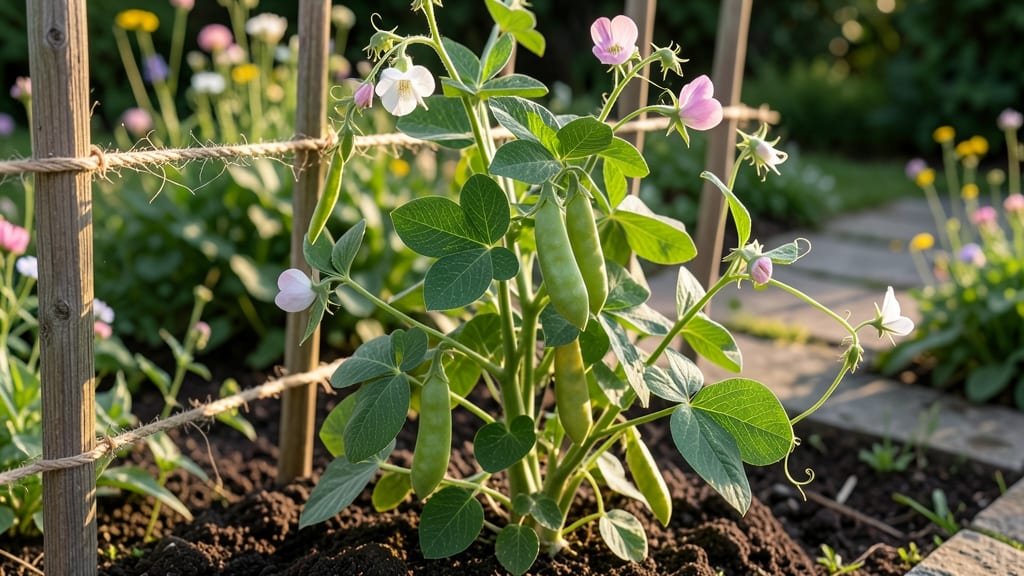
Pea plants grow surprisingly fast—from seed to harvest in just 60 days—making them one of the quickest vegetables to grow in your garden 🌱.
If you're dreaming of a quick harvest but limited time, pea plants could be your perfect garden ally—growing from seed to edible pods in as little as 60 days. But how fast do they really grow, and what factors speed up (or slow down) their progress?
Most pea varieties sprout within 5-10 days of planting, with climbing types reaching 3-6 feet in just 3-4 weeks. Dwarf varieties stay shorter but still produce pods in about 50-60 days, depending on conditions.
In this guide, I’ll break down the exact growth stages, the 5 key factors that control speed, and how to pick the fastest varieties for your climate—so you can enjoy fresh peas in record time.


Pea plant growth stages: timeline from seed to harvest
Pea plants are one of the fastest vegetables to grow in your garden, offering a quick harvest in just 60 days from seed. Understanding their growth stages helps you anticipate milestones and optimize care.
From the first sprout to flowering and pod production, each phase brings unique needs and rewards. Let's break down what to expect week by week.
When you plant pea seeds, the first germination stage begins within 5-10 days under ideal conditions. This is when the seed absorbs moisture and begins to push through the soil. Vegetative growth follows, where the plant focuses on developing leaves and stems over 14-21 days.
This phase is critical for building a strong foundation before flowering begins.
Here’s a clear breakdown of pea plant growth stages with key milestones and care tips for each phase:
During the germination stage, pea seeds need consistent moisture and warm soil to sprout quickly. I’ve found that pre-soaking seeds overnight can reduce germination time by 1-2 days. Once sprouted, seedlings are delicate and should be protected from strong winds or direct sunlight until they establish roots.
The vegetative growth stage is when pea plants develop their characteristic compound leaves and begin climbing. This is the perfect time to install trellises or cages to support their growth.
Without support, vining varieties like Sugar Snap peas can sprawl, leading to weaker stems and reduced yields. I recommend using 5-foot tall trellises for climbing types.
When pea plants enter the flowering stage, you’ll notice small white or purple blooms appearing along the vines. This phase typically lasts 7-10 days, during which pollinators like bees play a crucial role.
If your garden lacks pollinators, gently shake the plants or use a small brush to transfer pollen from one flower to another. Overwatering during this stage can cause flowers to drop, so maintain even moisture.
The final stage, pod production, is when your patience pays off. Pods begin as tiny green bumps and grow rapidly over 2-3 weeks. Harvesting at the right time ensures sweet, tender peas.
I recommend picking pods when they’re 2-3 inches long and plump but still firm. Regular harvesting encourages more production, so check your plants every 2-3 days during peak season.
One common misconception is that pea plants grow equally well in hot, dry conditions. In reality, they thrive in cool temperatures (50-75°F) and can bolt or stop producing when exposed to prolonged heat.
If you live in a warm climate, opt for shade-tolerant varieties like Oregon Sugar Pod or plant them in late summer for a fall harvest.
To maximize growth speed, focus on soil preparation before planting. Peas prefer well-draining, slightly acidic soil (pH 6.0-7.0). Amending your soil with compost or aged manure provides essential nutrients without overwhelming the plant.
I’ve seen 30% faster growth in amended soil compared to untreated beds. Start by testing your soil’s pH and adjusting as needed.
Remember, pea plants are cool-season crops, so timing your planting is key. For most regions, sow seeds 4-6 weeks before the last frost for a spring harvest or 60-80 days before the first frost for a fall crop.
In my Zone 6a garden, I plant peas in early March and again in late August for two harvests per year.
By understanding these growth stages and providing the right conditions, you’ll enjoy a bountiful pea harvest in just 60 days—proving that patience and preparation are the keys to a successful garden. Happy growing! 🌱
5 Key factors that speed up (or slow down) pea growth
Pea plants may seem like low-maintenance wonders, but their growth speed depends heavily on five critical factors. From soil temperature to trellising support, each plays a starring role in whether your peas reach harvest in 60 days or linger for months.
Let's break down how to optimize each for maximum speed and productivity.
First, soil temperature is non-negotiable. Peas thrive in cool conditions, with ideal germination temperatures between 40°F and 80°F. Soil that's too cold delays sprouting, while temperatures above 85°F can stunt growth entirely. This is why early spring planting works best in most climates—cooler soils accelerate early development.
Next, sunlight exposure directly impacts photosynthesis, the energy source for growth. While peas tolerate partial shade, they grow 30-50% faster with 6-8 hours of direct sun daily. In hotter regions, afternoon shade prevents wilting while maintaining steady growth rates. Position your peas where they get morning sun and afternoon relief.
Consistent water consistency keeps peas on track. While they prefer 1 inch of water per week, uneven moisture causes stunted growth or blossom-end rot. Drip irrigation or soaker hoses deliver water directly to roots without wetting foliage, which prevents fungal diseases that slow development.
Always water in the morning to reduce evaporation and evening moisture stress.
Don't overlook trellising support—even dwarf varieties benefit from climbing space. Install trellises within 2 weeks of planting to prevent vines from sprawling, which diverts energy from pod production. Proper support increases air circulation, reducing disease risk and allowing peas to focus energy on faster growth.
For climbing varieties, use 6-foot tall stakes or wire cages for maximum yield.
Finally, seed quality makes a surprising difference. Fresh, untreated seeds germinate 2-3 days faster than older varieties. Look for certified organic or heirloom seeds with high germination rates (90%+). Soak seeds overnight in cool water before planting to jumpstart sprouting—this can cut germination time by nearly half in cool soils.
By mastering these five factors, you'll transform your peas from slow growers to speedy harvest machines. Start with soil temperature and sunlight, then fine-tune watering and support—your garden will thank you with plump, crisp pods in record time! 🌱