
Planting
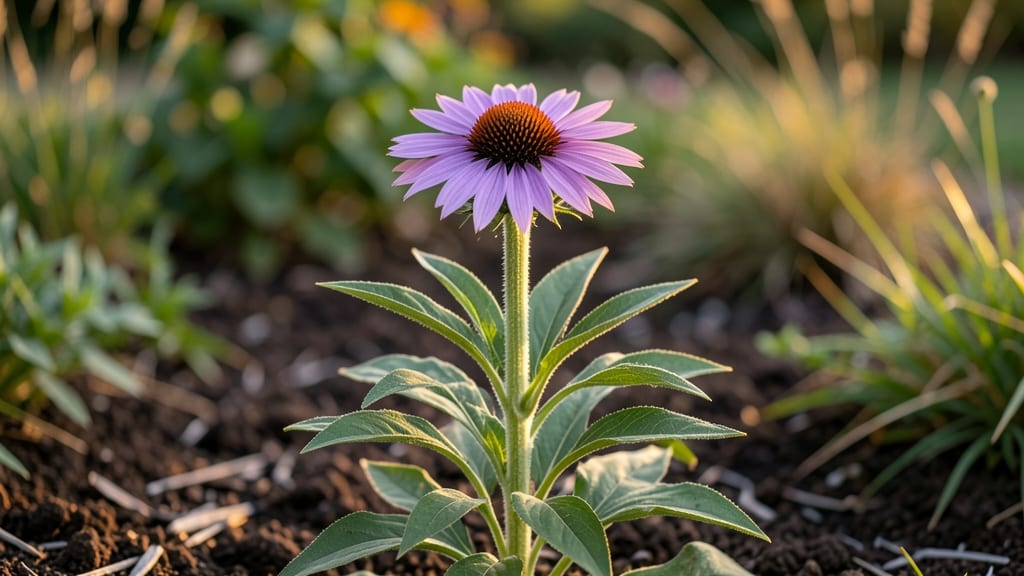
Identifying plant purple flowers can feel like solving a puzzle—until you spot the right clues. 🌸 I’ve spent years helping gardeners distinguish between lavender and butterfly bush, or petunias and clematis, and the secret lies in those tiny details: leaf shape, flower clusters, and growth habits.
This guide breaks down 15 common purple bloomers, from the delicate petals of clematis (vines with star-shaped flowers) to the fuzzy blooms of butterfly bush (flat-topped clusters). Each entry includes hardiness zones, whether it’s annual or perennial, and care tips to confirm your plant’s identity.
Once you recognize the subtle differences—like the lavender’s square stems or petunias’ trumpet-shaped blooms—you’ll never confuse them again. The right plant in the right spot transforms your garden into a purple paradise, whether you’re filling containers or climbing trellises.
No more guessing games—just confidence in your garden. Here’s how to match your mystery blooms to their perfect spot in the sun or shade.
Behind The Color Science
Purple flowers aren’t just a stunning visual treat—they’re the result of fascinating chemical processes in plants. Understanding why they bloom in shades of violet, lavender, or magenta can help you identify them more accurately and even troubleshoot why your garden isn’t producing the expected hues.
Here’s a deep dive into the science behind those rich pigments.
Most purple flowers owe their color to anthocyanins, water-soluble pigments that belong to the flavonoid family. These compounds act like natural sunscreen for plants, protecting leaves and petals from UV damage while also attracting pollinators with their vibrant hues.
- pH Sensitivity: Anthocyanins change color based on the plant’s cellular acidity. In acidic environments (low pH), they appear red or purple, while in alkaline conditions (high pH), they shift toward blue. This is why some purple flowers (like hydrangeas) can change color based on soil pH!
- Light Exposure: More sunlight triggers higher anthocyanin production, deepening purple tones. Shady spots may result in paler or green-tinged blooms.
- Nutrient Deficiencies: Lack of phosphorus or nitrogen can limit anthocyanin synthesis, leading to duller purples or even greenish hues in flowers that should be vibrant.
Pro Tip: 💡 If your purple flowers are fading to green or brown, test your soil’s pH and amend it with lime (to raise pH) or sulfur (to lower pH) as needed.
Some purple hues are hardwired into a plant’s DNA. These colors are determined by specific genes that regulate pigment production:
- Dominant vs. Recessive Traits: Purple flowers often result from a dominant gene (e.g., the Delila gene in petunias), while white or pale flowers may be recessive. Cross-pollination can create unexpected color mixes!
- Hybrid Vigor: Many cultivated purple flowers (like Cleome or Salvia) are hybrids bred for intense color. If your plant’s blooms are lighter than expected, it might be reverting to a parent plant’s less vibrant trait.
- Temperature Effects: Cooler temperatures can enhance anthocyanin production, while heat stress may bleach petals. This is why some purple flowers bloom deeper in spring or fall.
Fun Fact: ✨ Some purple flowers, like African violets, produce delphinidin, a type of anthocyanin that gives them their velvety, deep purple appearance.
Not all purple flowers are naturally that color—some develop their hue as a response to stress. Here’s how environmental factors play a role:
| Stress Factor | Effect on Flower Color | Example Plants |
|---|---|---|
| Cold Exposure | Triggers anthocyanin production for frost protection; flowers may darken. | Pansies, Heuchera (coral bells) |
| Drought Conditions | Can cause petals to develop purple edges as a survival mechanism. | Tomatoes (purple-stemmed varieties), Sweet Potatoes |
| High Light Intensity | Over-exposure to UV can cause bleaching, but moderate light enhances purple tones. | Lantana, Verbena |
| Nutrient Imbalance | Excess phosphorus or magnesium can lead to unnatural purple tinges in leaves or flowers. | Houseplants like Peperomia, Coleus |
Warning Sign: 🚨 If your plant’s leaves (not flowers) turn purple, it’s often a sign of phosphorus deficiency or cold damage—not a desirable trait!
Now that you know the science behind those stunning purples, you can better predict, encourage, or even troubleshoot flower colors in your garden. Next, let’s explore how to match specific purple blooms to their meanings!
Quick Fixes for Flower ID Confusion
Got a stunning purple bloom but not sure which plant it is? Don’t stress—here’s how to identify and solve common challenges when trying to pinpoint your purple-flowered plant.
Whether it’s a mystery garden guest or a beloved pet’s snack hazard, these practical steps will help you decode the mystery with confidence.
Not all purple flowers are created equal! Start by comparing your bloom to these key traits:
| Trait | What to Look For | Likely Plants |
|---|---|---|
| Petal Shape | Bell-shaped, trumpet-like, or flat with ruffled edges? | Petunias, Snapdragons, or Lilacs |
| Size | Tiny (daisy-like), medium (golf-ball sized), or large (palm-sized)? | Lavender (small), Hydrangeas (medium), Wisteria (large) |
| Arrangement | Single bloom, clusters, or spikes? | Roses (single), Clematis (clusters), Delphiniums (spikes) |
💡 Pro Tip: Snap a photo and use a flower identification app (like PlantNet or Google Lens) to cross-reference your observations.
Purple flowers aren’t the only clue—leaves and stems hold secrets too:
- Smooth or serrated edges? (e.g., Lilac leaves are oval with serrated edges).
- Hairy or fuzzy stems? (e.g., Lamium has square, fuzzy stems).
- Toxic or safe? (e.g., Foxglove is stunning but deadly—avoid if pets/kids are around).
🔥 Quick Fix: If your plant is new, gently uproot a small section (or take a leaf rubbing with a pencil) to compare with gardening guides.
Does your purple flower:
- Climb? → Clematis, Morning Glory, or Wisteria
- Spread horizontally? → Lantana or Creeping Phlox
- Grow in shrub form? → Weigela, Butterfly Bush, or Hydrangea
👨🍳 Action Step: Observe where the plant thrives—sunny windowsills, shady corners, or damp soil can hint at its species.
Some purple flowers are masquerading as others—here’s how to tell them apart:
| Confusing Pair | Key Difference |
|---|---|
| Lilac vs. Wisteria | Lilacs have fragrant, cone-shaped clusters; Wisteria has long, dangling tendrils. |
| Petunia vs. Snapdragon | Petunias have flat, trumpet-shaped blooms; Snapdragons have snout-like petals. |
| Lavender vs. Statice | Lavender has small, dense spikes; Statice has paper-like, papery blooms. |
🎯 Prevention Tip: Keep a small plant journal with sketches or photos of new additions to avoid future mix-ups!
Still stumped? Try these no-fail methods:
- Post in gardening forums (like Reddit’s r/whatsthisplant or GardenWeb).
- Visit a local nursery—bring a photo or sample (cleaned of soil).
- Check seed packets or plant tags if repotting.
✨ Bonus: If your purple flower is wild or invasive (like Purple Loosestrife), consult your local extension office for removal tips.
- Label your plants with stakes or plant markers at the start.
- Group similar plants together (e.g., all perennials in one bed).
- Learn 3 key traits (leaf shape, bloom time, height) for your top 5 favorite purple flowers.
- Take seasonal notes—some plants (like Crocuses) bloom early, while others (Hydrangeas) shine in summer.
Remember: Even the most seasoned gardeners misidentify plants now and then. The key is patience and curiosity—happy sleuthing! 🕵️♂️🌺
Frequently asked questions
How can I tell if my purple flowers are annuals or perennials?
Look at the plant's life cycle: annuals like petunias complete their entire life in one growing season, while perennials like lavender return year after year. Check your local hardiness zone—perennials often have zone ranges on seed packets or plant tags. Pro tip: If your plant dies back to the ground in winter but regrows in spring, it's likely a perennial.
Why do some purple flowers change color over time?
Many purple blooms fade due to sun exposure or pollination. For example, delphiniums may darken in full sun while hydrangeas can shift from purple to pink based on soil pH. Some flowers naturally change as they age—like morning glories that start deep purple and lighten to white.
Are all purple flowers fragrant?
No! Only about 30% of purple flowers have noticeable scents. Fragrant varieties include lilacs, wisteria, and some lavender types, while others like clematis or petunias are typically scent-free. Check plant descriptions—fragrance is often listed as a key feature.
Can I grow purple flowers from cuttings?
Yes, many purple bloomers propagate easily from cuttings! Try these: coleus (stem cuttings in water), lavender (hardwood cuttings in soil), and clematis (greenwood cuttings in summer). Use rooting hormone for best results. Avoid woody plants like hydrangeas—they're better grown from divisions.
What's the easiest purple flower for beginners?
Start with pansies or petunias—they're tough, colorful, and thrive in containers. Both handle partial shade and bloom all season long. For perennials, lavender is drought-tolerant and low-maintenance once established. All three are forgiving of beginner mistakes!