
Planting
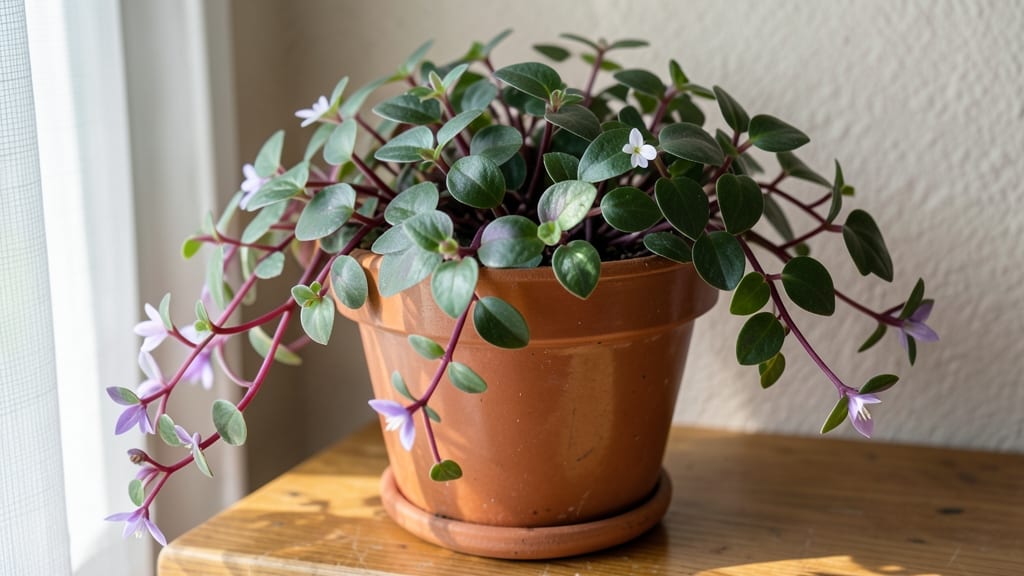
Growing the Purple Heart plant (Tradescantia pallida) feels like having a living piece of art that asks for almost nothing. 🌿 Its deep purple foliage cascades like a waterfall, thriving where other plants would struggle—even in shady corners.
I've watched mine transform bare spots into lush, velvety green-purple curtains, and it's the easiest shade-loving plant I've ever grown.
The secret to happy Purple Heart plants is simple: well-draining soil, occasional watering, and a little patience. It's not fussy about containers—hanging baskets, window boxes, or even a simple pot will work.
Just keep it out of harsh afternoon sun, and it'll reward you with vibrant growth all season long. Even in my dimmer kitchen window, it thrives.
You'll love how effortlessly it fills space—whether trailing over shelves or spilling from pots. The leaves stay rich and deep purple, and it grows fast enough to cover bare spots in just a few months.
It's also pet-friendly (non-toxic to cats and dogs), making it a safe choice for homes with curious pets.
Once you start growing, you'll want to share cuttings—every friend who sees it will ask for a piece. The best part? It's nearly impossible to kill, even if you forget to water it occasionally. That's the kind of plant that makes gardening feel like a win.
📚 In This Guide
- What you need
- Instructions
- Tips and common mistakes
- Wrapping up and next steps
What you need
- ● Purple Heart Plant (Tradescantia pallida): 1 healthy cutting or small plant (6+ inches tall).
- ● Well-draining potting mix: 1 bag (5-10 quarts) of a lightweight blend (e.g., 50% peat moss, 30% perlite, 20% coco coir).
- ● 6-inch or 8-inch pot: 1-2 ceramic or terracotta pots with drainage holes (1 per plant).
- ● Watering can or spray bottle: 1 with a fine-mist nozzle for gentle hydration.
- ● Scissors or pruning shears: 1 pair (sterilized with rubbing alcohol).
- ○ Rooting hormone (optional but helpful): 1 small bottle (e.g., Clonex or similar).
- ● Gloves: 1 pair (to protect hands from sap and soil).
- ● Houseplant fertilizer: 1 balanced liquid fertilizer (e.g., 10-10-10 or 20-20-20).
- ● Humidity tray or pebbles: 1 tray + pebbles (to boost humidity in dry climates).
- ○ Grow lights (optional): 1-2 LED lights (if growing in low-light areas).
- ○ Misting bottle (optional): 1 for extra humidity control.
How to grow and care for a thriving Purple Heart plant
This shade-loving beauty needs just a few simple steps to stay vibrant and full of life.
🪴 Step 1: Choose the Right Pot and Soil Mix
Start with a 6-8 inch pot that has drainage holes—Tradescantia pallida hates soggy roots. I like terracotta because it breathes and prevents root rot, but any well-draining container works. Fill it with a lightweight potting mix mixed with 20% perlite or orchid bark to improve aeration. This plant thrives in loose, airy soil that drains quickly.
Press the mix down gently but don't compact it too much. The goal is to create a fluffy medium where roots can spread easily. If your soil feels dense, add a little more perlite until it looks like crumbly cake batter. This helps prevent the roots from sitting in water, which is the #1 killer of Purple Hearts.
🌱 Step 2: Plant and Position for Shade Success
Gently remove the plant from its nursery pot and tease the roots apart if they're crowded. Place it in the center of your prepared container and fill around the sides with more soil mix, pressing lightly to eliminate air pockets. Water thoroughly until it drains from the bottom holes—this settles the soil and helps the roots establish contact.
Here's the thing—this plant loves shade but won't tolerate deep darkness. Position it where it gets bright, indirect light for at least 4-6 hours daily. A north-facing window or spot under a sheer curtain works perfectly. You'll know it's happy when the leaves stay a rich purple—if they turn green, it's getting too much light.
💧 Step 3: Water and Humidity Care
Let the top 1-2 inches of soil dry out between waterings—that's the sweet spot for Purple Heart. Stick your finger in the soil: if it feels dry at that depth, it's time to water. When you do water, soak the soil until water runs out the drainage holes, then empty the saucer to prevent root rot. Overwatering is the fastest way to kill this plant.
This tropical beauty also loves humidity. If your home feels dry (especially in winter), mist the leaves lightly 2-3 times a week or place the pot on a tray of pebbles with water. You'll see the difference in leaf color—purple foliage stays vibrant when humidity is right. Watch for crispy leaf edges if the air gets too dry.
✂️ Step 4: Prune and Propagate for Fullness
Pinch back the tips of new growth when they reach about 4-6 inches to encourage bushier growth. This simple step prevents leggy stems and keeps your plant compact. Use clean scissors or your fingers to snip just above a leaf node—where new leaves emerge. You'll notice within weeks that the plant fills out instead of stretching upward.
Here's where it gets fun—propagate your cuttings! When you prune, place the 3-4 inch stem cuttings in water. Within 2-3 weeks, roots will form, and you can pot them up. This is how I've filled my whole windowsill with Purple Hearts—just keep the parent plant happy, and it multiplies effortlessly.
☀️ Step 5: Fertilize and Maintain Year-Round
Feed your plant every 4-6 weeks during spring and summer with a balanced liquid fertilizer diluted to half strength. Purple Heart isn't a heavy feeder, so too much fertilizer burns the roots. I use a 10-10-10 mix in the summer and switch to a half-strength dose in winter when growth slows. Always water before fertilizing to prevent root burn.
This plant grows year-round indoors, but it does slow down in winter. Reduce watering slightly then—let the soil dry out a bit more between waterings. Dust the leaves occasionally with a damp cloth to keep them vibrant. You'll know your care routine is working when your Purple Heart stays a deep, rich purple with no yellowing or browning. That's the sign of a truly happy plant.
Tips & tricks for thriving Purple Heart plants
Took me years to figure out these simple tricks that keep my Purple Hearts looking show-stopping—here's what nobody tells you.
Soil Texture is Everything: The 20% perlite or orchid bark in Step 1 isn't just about drainage—it's about creating air pockets that prevent waterlogging. I've ruined plants by skipping this step. Think of it like making a fluffy cake batter: you want that crumbly texture where roots can breathe. If your soil feels dense after mixing, add another 10% perlite until it's light enough to sift through your fingers. This prevents that dreaded root rot that kills Purple Hearts faster than anything else.
Light Trick for Perfect Purple: That 4-6 hours of bright indirect light in Step 2 is your color secret weapon. Too little light and your plant turns green—too much and it fades. I place mine about 3 feet from my north-facing window where the light is soft but consistent. For deeper purple, rotate your plant every few weeks so all sides get equal exposure. You'll notice the difference in just a couple of weeks—leaves will develop that rich, velvety purple that makes this plant so special.
Propagation Hack: When propagating those 3-4 inch cuttings in Step 4, I've found that using a clear glass of water lets you watch roots form in real time—it's like a science experiment! Place your cuttings in water at room temperature and change the water every 3-4 days. Within 2-3 weeks, you'll see tiny white roots sprouting. This method gives you a 95% success rate, and you'll have baby Purple Hearts ready to pot up before you know it.
Winter Care Rescue: In winter when growth slows, I reduce watering to letting the top 2-3 inches dry out between waterings instead of the usual 1-2 inches. The cooler temps mean less evaporation, so the soil stays moist longer. Also, increase humidity by grouping plants together or using a pebble tray—this mimics their tropical origins and keeps those crispy leaf edges from forming. Your plant will thank you with vibrant purple foliage all winter long.
Pro Tips for Purple Heart Plant Tradescantia Pallida
- Took me years to figure out these simple tricks that keep my Purple Hearts looking show-stopping—here's what nobody tells you.
- Soil Texture is Everything: The 20% perlite or orchid bark in Step 1 isn't just about drainage—it's about creating air pockets that prevent waterlogging.
- Light Trick for Perfect Purple: That 4-6 hours of bright indirect light in Step 2 is your color secret weapon.
Frequently asked questions
Got questions about your Tradescantia pallida? You’re not alone!
Here are answers to the most common ones—from care tips to troubleshooting—so you can keep your Purple Heart plant thriving like a pro.
How much light does a Purple Heart plant need?
Tradescantia pallida thrives in bright, indirect light but tolerates low light too. Too little light? Its purple hues may fade to green. For the deepest colors, place it near a window (but avoid harsh direct sun, which can scorch leaves). A north- or east-facing window is ideal!
How often should I water my Purple Heart plant?
Water when the top 1–2 inches of soil feel dry—usually every 1–2 weeks, depending on humidity and light. Overwatering is the #1 killer! Ensure pots have drainage holes, and avoid soggy soil to prevent root rot. Pro tip: Stick your finger in the soil—it’s the best moisture meter!
Why is my Tradescantia pallida turning green?
A loss of purple color usually means too little light. Move it to a brighter spot (but still indirect) and watch the hues return in 2–4 weeks. If the green is paired with yellow leaves, check for overwatering or nutrient deficiency—try a balanced liquid fertilizer every 4–6 weeks in spring/summer.
Can I grow Purple Heart plant outdoors?
Yes! It’s a hardy perennial in USDA zones 9–11. Plant in partial shade (morning sun, afternoon shade works best) and protect it from frost. In colder climates, grow it as an annual or bring it indoors before temperatures drop below 40°F (4°C). Just keep an eye out for pests like spider mites!
How do I propagate Tradescantia pallida?
Propagation is easy and fast! Snip a healthy stem, remove the lower leaves, and place it in water or moist soil. Roots grow in 1–2 weeks. For soil propagation, dip the cutting in rooting hormone (optional) and keep the soil lightly moist. Bonus: Each cutting can grow into a full plant—great for gifting!
Is Tradescantia pallida toxic to pets?
Yes, it’s mildly toxic to cats and dogs if ingested. Symptoms include drooling, vomiting, or diarrhea. Keep it out of reach of pets, and consult a vet if you suspect poisoning. For pet-safe alternatives, try Pilea peperomioides or Spider Plant!
Wrapping up and next steps
The Purple Heart Plant (Tradescantia pallida) is a stunning, low-maintenance addition to any indoor or shaded garden, bringing vibrant purple hues and easy-care charm. With the right light, soil, and occasional pruning, this beauty thrives even in less-than-ideal conditions—perfect for busy plant parents or cozy corners. 🌿
Ready to level up your green space? Grab your Tradescantia pallida and a sunny spot (or grow light), then watch it flourish! Start small—propagate a cutting today! 🌱