
Planting
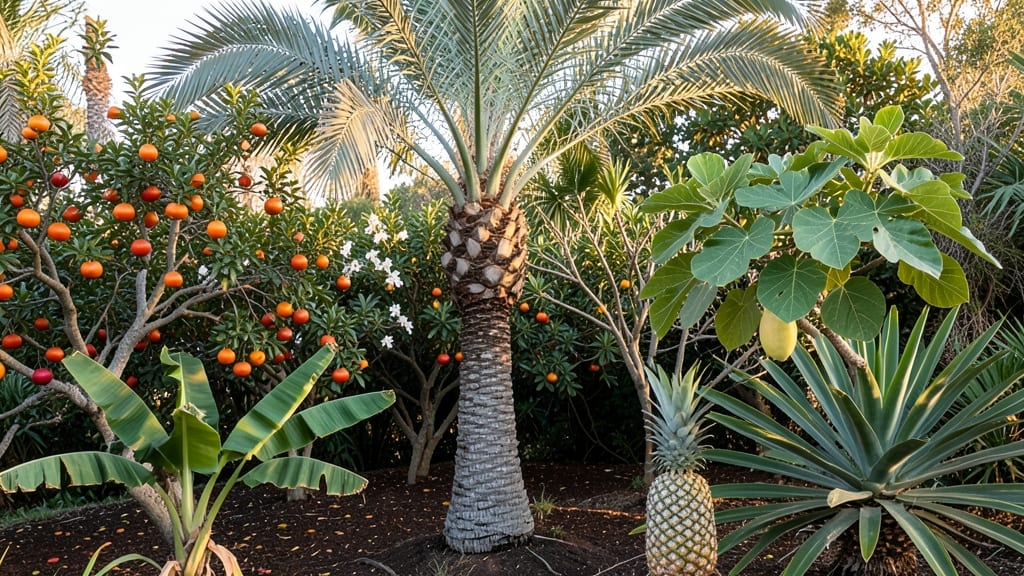
Hardiness zones 10 and 11 are the warmest climates in the U.S., where Zone 11 maintains tropical conditions year-round (above 40°F minimum) while Zone 10 enjoys mild winters (30-40°F minimum), supporting diverse plant life but demanding frost precautions during occasional cold snaps.
These zones create distinct gardening challenges and opportunities. In Zone 11, where frost is practically nonexistent, you can grow tropical plants like hibiscus and palm trees without worry, but even here, heatwaves above 100°F can stress plants if they lack shade.
Zone 10, with its cooler winters, allows for subtropical varieties such as bougainvillea and citrus trees, though they may need protection during rare 20°F dips. The key difference lies in frost risk—Zone 11 is nearly frost-free, while Zone 10 sees occasional light freezes that can damage tender plants. 🌿
Understanding these nuances helps you choose the right plants and plan for seasonal shifts. For example, coastal areas in Zone 10 often experience milder winters than inland regions, creating microclimates where certain tropical plants thrive even further north.
Meanwhile, urban heat islands in Zone 11 can push temperatures higher than rural areas, requiring extra watering during dry spells.
💡 In This Article
- Temperature Ranges and Microclimate Factors in Zones 10 and 11
- Top Heat-Tolerant Plants for Zones 10 and 11 Gardens
Temperature ranges and microclimate factors in zones 10 and 11
The core difference between these zones lies in their minimum average temperatures. Zone 11 never drops below 40°F—even during winter—while Zone 10 ranges from 30-40°F. This 10°F difference creates a dramatic shift in plant viability.
For example, a citrus tree (like a Meyer lemon) can survive winters in Zone 10 but will suffer leaf drop or dieback in Zone 11 if exposed to prolonged 28°F temperatures—something that never occurs in true Zone 11.
The USDA's zone map accounts for these averages over a 30-year period, but microclimates can push these boundaries further.
Microclimates play a huge role in these zones. Coastal areas in Zone 10 (like San Diego) often stay 5-10°F warmer than inland valleys due to ocean breezes, while urban heat islands in Zone 11 (such as Miami) can hit 10°F hotter than rural areas during summer.
These variations mean a plant hardy to 25°F might thrive in a coastal Zone 10 garden but fail in a desert microclimate. Even elevation matters—mountain slopes in Zone 10 can experience frost pockets at 28°F while valleys remain above 32°F.
The average frost-free period also differs: Zone 11 enjoys 365 days frost-free, while Zone 10 averages 300-340 days, with rare freezes occurring in January-February.
Extreme weather compounds these differences. Zone 11 faces hurricane risks with 75+ mph winds and flooding, while Zone 10 deals with heatwaves above 110°F that can scorch plants in 2-3 hours without shade.
For instance, bougainvillea thrives in Zone 10's milder winters but may struggle in Zone 11's intense summer sun without afternoon shade. The key takeaway: while Zone 11 supports true tropicals like monstera and bird-of-paradise, Zone 10's cooler winters allow subtropicals like plumeria and hibiscus to flourish with minimal protection.
Seasonal shifts also create challenges. Zone 10's winter dormancy (even for evergreens) contrasts with Zone 11's year-round growth. For example, olive trees drop leaves in Zone 10 winters but stay green in Zone 11.
This affects pruning cycles—Zone 10 plants often need late-winter pruning (after frost risk passes), while Zone 11 plants can be pruned year-round.
The soil's organic matter content also adapts: Zone 11 soils decompose faster due to heat, requiring annual compost additions, while Zone 10 soils benefit from bi-annual mulching to retain moisture during summer droughts.
Here’s how to leverage these factors: in Zone 10, use windbreaks to protect plants from coastal chill, while in Zone 11, install shade cloth to prevent leaf scorch. Both zones benefit from drip irrigation, but Zone 11 needs automated systems due to hurricane power outages.
The science behind this? Plants in Zone 11 rely on C4 photosynthesis (like sugarcane) to handle high heat, while Zone 10 plants often use C3 photosynthesis, which is less efficient in extreme heat but more adaptable to cooler winters.
One often-overlooked factor is humidity. Zone 11's high humidity (often 70-90%) encourages fungal diseases, while Zone 10's lower humidity (50-70%) reduces this risk. This is why air circulation (via pruning or fans) is critical in Zone 11 gardens.
For example, coffee plants (native to Zone 11) require daily misting in dry spells, while rosemary (a Zone 10 staple) thrives with minimal watering. Understanding these interactions helps you create a garden that thrives despite the zone's extremes. 🌡️