
Planting
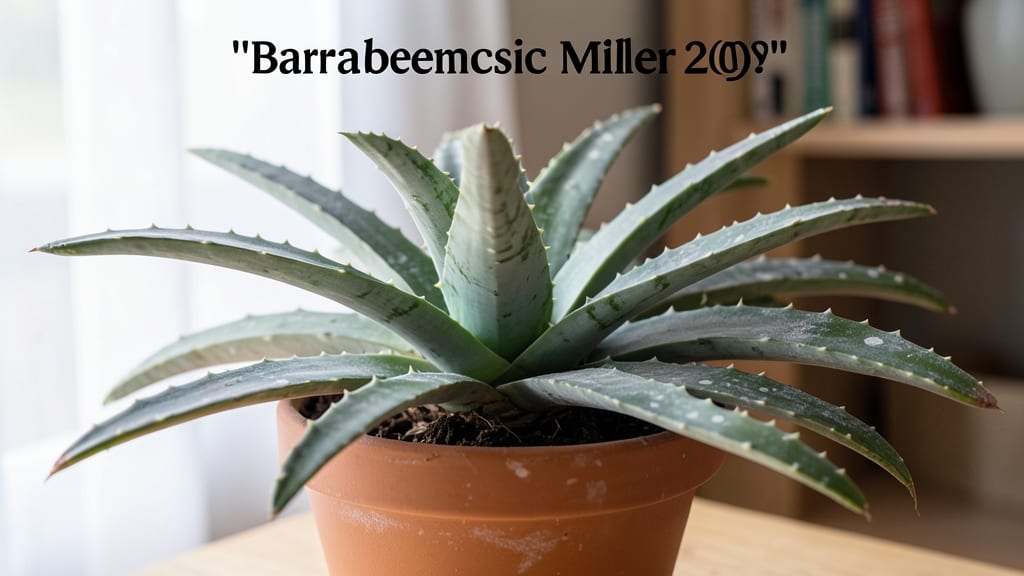
A this aloe vera plant growing out not up? That flattened base is begging for a light fix. 🌱 I’ve seen this happen when plants stretch toward weak light, creating a leggy, sprawling mess instead of that sturdy, upright form we love.
The good news? This is usually a simple light adjustment away from becoming a full-blown growth problem.
The most common culprits are low light or inconsistent watering—both trick aloe vera into growing sideways rather than upward. Too little light makes stems stretch, while overwatering causes rot that weakens the base.
Even genetics can play a role, but in most cases, it’s an easy fix with the right care tweaks.
Start by moving your aloe to a south-facing window or under a grow light for 12-14 hours daily. Cut back on watering to every 3-4 weeks, letting the soil dry completely between sessions. Within a few weeks, you’ll see new growth pushing upward instead of sprawling outward.
If the base stays stubbornly flat, gently repot the plant into fresh, well-draining soil and trim any leggy stems at the base. With the right light and water balance, your aloe will perk up and grow tall—no more flatland frustration!
Root Causes Of Flat Growth
When your aloe vera stretches horizontally instead of reaching for the sky, it’s usually a cry for help—your plant is telling you something’s off below the soil. Understanding these root causes (literally!) is the first step to fixing the problem.
Let’s dig into the science behind why your aloe vera might be growing out instead of up, and how to address each issue with precision.
Aloe vera is a sun-worshipper, and when it doesn’t get enough light, it stretches out in a desperate bid for sunlight—a phenomenon called etiolation. This causes the stem to elongate horizontally while the leaves grow sparse and weak.
Here’s why it happens:
- Photosynthesis slowdown: Without adequate light, the plant can’t produce enough energy (glucose) through photosynthesis. This triggers hormonal imbalances, particularly a surge in gibberellins, which promote elongated, weak growth.
- Chlorophyll deficiency: Light is essential for chlorophyll production. Low light leads to pale, underdeveloped leaves, making the plant prioritize stem elongation over vertical growth.
- Weak cell walls: In dim conditions, the plant’s cell walls don’t strengthen properly, leading to floppy, sprawling stems.
Actionable fix: Move your aloe vera to a spot with bright, indirect light (e.g., near an east- or south-facing window). If indoors, supplement with a grow light (12–16 hours/day) for 6+ inches of growth per month.
Aloe vera thrives in dry, well-draining conditions. When the soil stays soggy, the roots suffocate, and the plant diverts energy away from upward growth to survive. This often results in a flattened, wide base as the plant spreads outward to escape waterlogged roots.
Key triggers:
- Root rot: Excess moisture leads to Phytophthora or Pythium fungal infections, which attack the roots. The plant responds by growing new, shallow roots horizontally to access oxygen.
- Nutrient starvation: Waterlogged soil depletes oxygen, preventing roots from absorbing nutrients like phosphorus (critical for vertical growth) and potassium (essential for cell strength).
- Hormonal stress: Ethylene gas, produced in waterlogged conditions, signals the plant to grow laterally rather than vertically.
Actionable fix:
- Use a cactus/succulent mix with perlite or pumice (at least 30% inorganic material).
- Water only when the top 2–3 inches of soil are bone-dry (typically every 2–3 weeks).
- Repot in a container with drainage holes and a cache pot (to prevent root rot from sitting water).
Aloe vera plants grow outward when their roots are root-bound or the pot is too large. If the container is oversized, the plant focuses energy on filling the extra space horizontally instead of growing upward. Conversely, a pot that’s too small can cause roots to tangle, stunting vertical growth.
How it plays out:
- Competition for resources: In a large pot, the plant’s energy is split between expanding roots and foliage, leading to a wide, flat base with minimal height.
- Circulatory stress: Tangled roots in a small pot restrict water and nutrient flow, triggering a survival response where the plant grows outward to escape root congestion.
- Hormonal shifts: Root-bound stress increases auxin (a growth hormone) production, which promotes lateral (sideways) growth over apical (upward) growth.
Actionable fix:
- Repot into a container that’s only 1–2 inches wider than the plant’s current base (e.g., a 6-inch pot for a 4-inch base).
- Choose a shallow but wide pot (aloe vera has a fibrous root system, not deep taproots).
- If repotting isn’t an option, prune congested roots gently and refresh the soil.
Aloe vera is sensitive to temperature extremes. Sudden drops or inconsistent warmth can disrupt its growth patterns, leading to a sprawling, flattened habit. This is especially common in spring or fall, when days are shorter and temperatures fluctuate.
What’s happening:
- Dormancy triggers: Cool nights (below 50°F/10°C) signal the plant to conserve energy, slowing vertical growth and encouraging horizontal spread to maximize sunlight capture.
- Metabolic slowdown: Temperatures outside the ideal range (60–80°F/15–27°C) reduce enzymatic activity, weakening cell division in the stem.
- Light intensity changes: Shorter daylight hours in fall/winter reduce photosynthesis, prompting the plant to grow wider to intercept more light.
Actionable fix:
- Move the plant to a consistently warm spot (avoid drafts, AC vents, or cold windowsills).
- Use a heat mat (for indoor plants) to maintain root-zone warmth (70–75°F/21–24°C).
- Extend light exposure with a grow light during shorter days to compensate for reduced natural light.
Aloe vera doesn’t need much fertilizer, but too much (or the wrong kind) can cause it to grow outward instead of upward. Over-fertilizing, especially with high-nitrogen formulas, leads to lush but weak, horizontal growth. Conversely, deficiencies in key nutrients can also stunt vertical development.
Common culprits:
| Nutrient Issue | Effect on Growth | Fix |
|---|---|---|
| Excess nitrogen (N) | Soft, pale leaves; stem elongates horizontally to support weak structure. | Flush soil with water; switch to a low-nitrogen, high-potassium fertilizer (e.g., 5-10-10). |
| Phosphorus (P) deficiency | Stunted vertical growth; roots struggle to develop, leading to outward spread. | Apply a bone meal or phosphorus-rich fertilizer (e.g., 10-20-10). |
| Potassium (K) deficiency | Weak cell walls cause stems to flop outward; leaves may develop brown edges. | Use a potassium sulfate supplement or a balanced fertilizer. |
| Magnesium (Mg) deficiency | Yellowing between leaf veins; energy diverted to lateral growth for survival. | Add Epsom salt (1 tsp/gallon of water) every 2 months. |
Fixing Your Aloe Vera’s Flattened Growth
Now that you understand why your aloe vera plant is sprawling outward instead of reaching upward, it’s time to take action! The good news? With a few simple adjustments, you can encourage that lush, upright growth you love.
Below, we’ve mapped out practical solutions for each common cause—plus prevention tips to keep your plant thriving long-term.
---
Fix: Move your aloe vera to a sunnier spot immediately. Aloe vera thrives in bright, indirect light (or direct morning sun). If your plant is leaning or growing flat, it’s begging for more light!
- Step 1: Place it near a south- or west-facing window (if in the Northern Hemisphere). - Step 2: If natural light is limited, supplement with a grow light (12–14 hours/day). - Step 3: Rotate the pot quarter-turn weekly so all sides get even light.
✨ Pro Tip: Watch for yellowing leaves—a sign it’s getting too much direct sun. Adjust with sheer curtains if needed.
---
Fix: If your aloe’s base is flattened from root-bound stress, it’s time to repot!
- Step 1: Gently remove the plant from its pot and inspect the roots.
If they’re circling or tightly packed, it’s overcrowded. - Step 2: Choose a slightly larger pot (just 1–2 inches wider) with drainage holes. - Step 3: Use fast-draining soil (cactus/succulent mix + perlite or pumice). - Step 4: Trim any rotten or mushy roots before replanting.
💡 Prevention Tip: Repot every 2–3 years or when roots emerge from drainage holes.
---
Fix: Aloe vera stores water in its leaves—too much moisture causes a floppy, stretched base.
- Step 1: Let the top 2–3 inches of soil dry out completely before watering again. - Step 2: Water only at the base (avoid wetting leaves to prevent rot). - Step 3: Use a pot with excellent drainage—terracotta works great! - Step 4: If the soil is soggy, reduce watering and let it recover.
🔥 Emergency Fix: If the base is mushy, propagate healthy offsets while the main plant recovers.
--- Fix: Aloe vera grows faster in warmth (70–85°F) but slows in cold. If it’s stretching oddly, adjust its environment:
- Step 1: Move it away from drafts (AC vents, windows in winter). - Step 2: In cold climates, bring it indoors before temps drop below 50°F. - Step 3: If growing in a greenhouse, ensure proper ventilation to prevent humidity buildup.
🎯 Prevention Tip: Aloe vera hibernates in winter—reduce watering and fertilizing during cooler months.
--- Fix: A lack of nutrients (especially nitrogen and potassium) can cause stretched, weak stems.
- Step 1: Fertilize once in spring with a balanced succulent fertilizer (diluted to half strength). - Step 2: Avoid fertilizing in winter—aloe vera rests then. - Step 3: If the soil is depleted, repot with fresh, nutrient-rich mix.
✨ Bonus: A light foliar spray of seaweed extract can boost growth naturally.
--- To avoid future flattened growth, follow these easy maintenance habits: - Light: 6+ hours of bright, indirect light daily. - Water: Drench-and-dry method—water deeply, then wait until soil is bone-dry. - Pot: Terracotta or ceramic with drainage (no plastic traps!). - Soil: Fast-draining mix (never soggy). - Seasonal Care: Reduce water in winter, fertilize only in spring/summer.
--- Final Thought: With these fixes, your aloe vera should perk up within 4–6 weeks of proper care. Patience is key—once it’s happy, it’ll reward you with strong, skyward growth! 🌿💪
Frequently asked questions
Why is my aloe vera growing sideways instead of upward?
This usually happens due to light deficiency or overwatering. Aloe vera stretches horizontally when it can't get enough sunlight (a process called etiolation), or when soggy soil forces it to spread outward for survival. Check if it's near a bright window or if the soil stays damp too long.
Can I fix a flattened aloe vera base?
Yes! Start by moving it to bright, indirect light (6+ hours daily). Repot into fresh, fast-draining soil if roots are congested, and adjust watering to every 3-4 weeks (only when soil is completely dry). With proper care, new vertical growth should appear within 4-6 weeks.
Is my aloe vera too large for its pot?
Check for roots circling the bottom or emerging from drainage holes. If so, repot into a container just 1-2 inches wider than the current base. Use a shallow, wide pot with drainage holes and fresh cactus/succulent mix. This encourages upward growth by reducing root competition.
What if my aloe vera has mushy stems?
This indicates root rot from overwatering. Stop watering immediately and let the soil dry completely. If the base is soft, trim away mushy sections and propagate healthy offsets. Use a terracotta pot with drainage holes and water only when the top 2-3 inches are bone-dry.
Will pruning help my aloe vera grow taller?
Yes, but focus on removing leggy stems at the base. Cut just above a leaf node (where new growth appears) to encourage stronger vertical shoots. Avoid heavy pruning—just trim 10-20% of the sprawling growth. New upright growth should emerge within 2-3 weeks with proper light.