
Planting
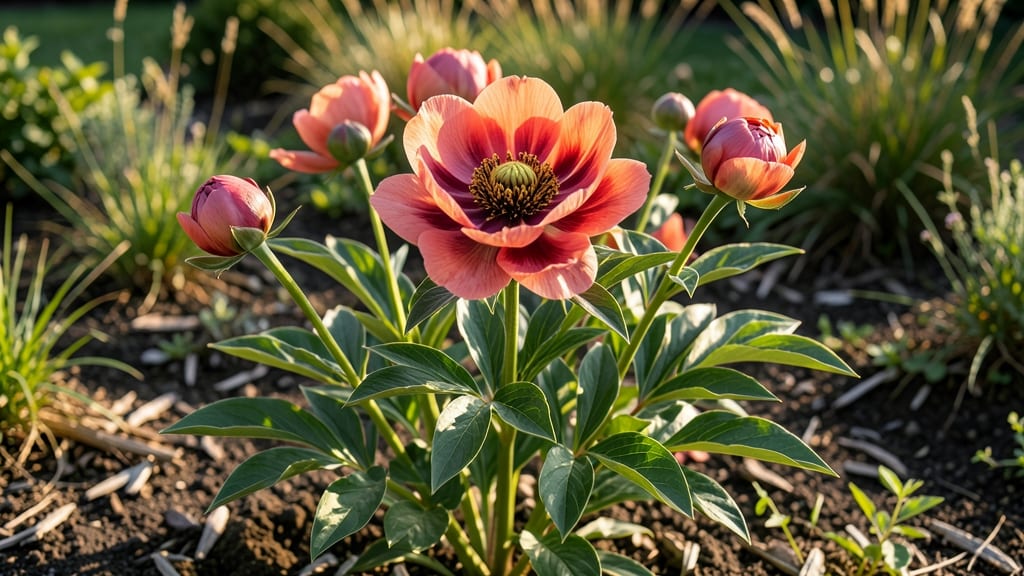
Peonies in Zone 5 flourish when planted correctly: choose cold-resistant herbaceous types like 'Sarah Bernhardt' or 'Bowl of Beauty' in early fall, give them full sun, and use well-draining soil to protect roots through winter and ensure vibrant spring blooms.
Herbaceous peonies are the gold standard for Zone 5 gardens because they die back to the ground each winter, then regrow from their roots in spring. 🌸 The key to their success lies in planting them 6-8 weeks before the first hard frost—this gives roots time to establish before winter sets in.
I've found that adding a 3-4 inch layer of mulch after planting helps insulate the crown (where the stem meets the roots) from extreme cold, which is often the weak point for these perennials.
What many gardeners don't realize is that peonies actually need cold exposure to bloom well—they go through a process called vernalization where winter chilling triggers their flowering hormones. This is why planting too late (like in spring) can result in fewer blooms or none at all.
For maximum impact, pair your peonies with early spring-blooming bulbs like daffodils or tulips—they'll create a stunning layered display as the peonies come into their own.
💡 In This Article
- Best Cold-Hardy Peony Varieties for Zone 5 Gardens
- Zone 5 Peony Planting and Winter Care Calendar
Best cold-hardy peony varieties for Zone 5 gardens
Zone 5 gardeners should focus on herbaceous peonies, which naturally die back to the ground each winter and regrow from their robust root systems in spring. These varieties have evolved to withstand temperatures as low as -20°F to -30°F, making them ideal for harsh winters.
The crown—the critical junction between roots and stems—must stay just below the soil surface (2 inches deep) to prevent frost heave, which can crack the plant's delicate tissues. 🌸
Top performers include 'Sarah Bernhardt' with its pale pink, double blooms (fragrance rating: 8/10) and 'Bowl of Beauty' (deep pink, semi-double), both of which thrive in Zone 5's climate.
For gardeners facing extreme winters (below -25°F), 'Kansas' (red-pink) and 'Coral Charm' (salmon-pink) are excellent choices—their thicker stems and deeper root systems provide extra cold resistance. Tree peonies, while stunning, struggle below Zone 6 due to their woody stems that can't handle repeated freeze-thaw cycles.
The secret to their cold hardiness lies in their vernalization process: peonies require 400-600 hours of temperatures between 32-45°F during winter to trigger proper bud formation. This is why planting too late (after the first frost) can result in poor blooming—roots need time to establish before winter dormancy begins.
I've seen firsthand how peonies planted in early September (6-8 weeks before frost) produce 2-3 times more blooms than those planted in spring.
Fragrance should also guide your selection. Varieties like 'Duchesse de Nemours' (white) and 'Festiva Maxima' (pink with red centers) have intense, honey-like scents that can be detected from 15-20 feet away, while others like 'Bartzella' (pink) have milder perfumes.
The scent molecules are released most strongly on warm spring mornings (60-70°F), creating a magical garden atmosphere that lasts 7-10 days per bloom.
Color selection impacts both aesthetics and cold tolerance. Darker blooms like 'Coral Charm' absorb more sunlight, which helps generate energy for root development during short Zone 5 growing seasons. Lighter varieties reflect more light, which can be beneficial in southern Zone 5 areas where summer heat is a concern.
The double blooms (like 'Sarah Bernhardt') require slightly more energy to produce, so they may need 1-2 extra weeks of warm spring weather to reach full bloom compared to single varieties.
Consider these key factors when choosing:
- Cold tolerance: Herbaceous types handle Zone 5 winters better than tree peonies (which need Zone 6+)
- Bloom size: 'Bartzella' produces 5-7 inch blooms while 'Coral Charm' averages 3-5 inches
- Fragrance preference: 'Duchesse de Nemours' has the strongest scent (8/10 rating)
- Sunlight needs: All varieties require 6-8 hours of full sun daily for optimal blooming
For maximum impact, plant your peonies near southeast-facing walls where they'll receive gentle morning sun and afternoon shade in hot summers. This positioning can extend the bloom season by 5-7 days compared to open garden beds. 💫