
Planting
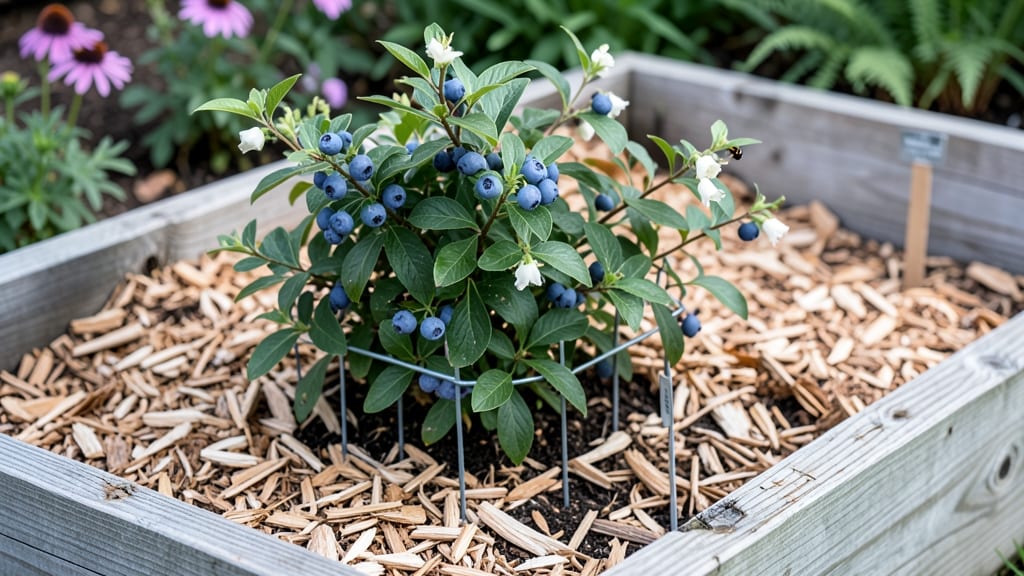
Growing blueberries in Iowa isn't just possible—it's rewarding when you pick the right varieties. 🌱 My first attempt with store-bought plants failed until I switched to cold-hardy 'Bluecrop' bushes, which now produce buckets of tart-sweet berries every summer. The key?
Matching Iowa's climate with varieties that handle our brutal winters and short growing seasons. Iowa's alkaline soil needs extra attention—think sulfur, peat moss, and regular pH testing. My soil was at 7.5 when I started, and after amending it to 4.5-5.5, my bushes finally thrived.
The payoff? Juicy berries that ripen in late July through August, just in time for homemade pies and jams. Pruning in late winter keeps bushes productive, and a thick layer of mulch protects roots from our freezing winters.
Even pests like birds and spider mites become manageable with netting and proper spacing—3-4 feet apart for good airflow. For Iowa gardeners, this is a long-term investment that pays off with years of harvests. Let's get those bushes planted right!
📚 In This Guide
- What you need
- Instructions
- Tips and common mistakes
- Wrapping up and next steps
What you need
- ● Blueberry plants: Cold-hardy varieties like Bluecrop, Patriot, or Jersey (3–5 plants for a small patch, 10+ for a full harvest).
- ● Soil amendments: Peat moss or pine bark (5–10 bags, 2–3 cubic feet each)
- ● Sulfur (1–2 lbs per 100 sq ft) to lower soil pH (4.5–5.5)
- ● Compost or well-rotted manure (2–3 cubic yards)
- ● Fertilizer: Acid-loving plant fertilizer (e.g., Miracid or Osmocote for azaleas/blueberries, 10–20 lbs).
- ● Mulch: Pine needles or wood chips (3–4 inches deep, 1–2 cubic yards).
- ● Tools: Garden shovel and trowel
- ● Pruning shears (sterilized)
- ● Gloves (gardening or heavy-duty)
- ● pH testing kit (digital or liquid)
- ● Watering supplies: Drip irrigation kit or hose with a gentle spray nozzle.
- ● Erosion control: Landscape fabric or cardboard to suppress weeds.
- ● Pollination aid: Small brush or bee-friendly plants nearby.
- ● Harvest tools: Basket, clippers, and food-safe buckets.
- ● Soil warming: Black plastic mulch (for early spring planting).
- ● Monitoring: Moisture meter or weather-resistant cover for young plants.
Step-by-step guide to planting blueberries in Iowa’s climate
Iowa’s chilly winters and alkaline soils aren’t dealbreakers—just pick the right varieties and prep the ground carefully.
🪴 Step 1: Choose the Right Varieties for Iowa’s Growing Zone
Iowa’s USDA Zones 4-5 demand cold-hardy, low-chill varieties. Top picks include ‘Bluecrop’ (reliable producer), ‘Jersey’ (early ripening), and ‘Northblue’ (disease-resistant). These thrive in Iowa’s short summers and freeze-resistant winters.
Buy 2-3 year-old bare-root plants from nurseries specializing in northern varieties. Avoid southern hybrids—they’ll struggle with Iowa’s winters. I always check the plant tags for chill hour requirements (400-800 hours) to match Iowa’s climate.
🌱 Step 2: Acidify the Soil Before Planting
Iowa’s naturally alkaline soil (pH 7.0-8.0) is toxic to blueberries—they need acidic soil (pH 4.5-5.5). Test your soil first using a home kit. If the pH is above 6.0, amend the planting area with sulfur or peat moss.
Dig a hole twice as wide as the root ball and mix in 5-10 pounds of peat moss or pine bark fines per plant. For a 4-plant patch, spread 10-15 pounds of elemental sulfur over the area and water it in 2-3 weeks before planting. This gives the soil time to acidify properly.
☀️ Step 3: Plant in Full Sun with Proper Spacing
Blueberries need 6-8 hours of full sun daily. Choose a location with morning sun and afternoon shade if possible—this prevents fruit from scorching in Iowa’s hot summers. Dig holes 18-24 inches apart in rows 6-8 feet apart.
Place the plant so the root flare (where roots meet the stem) sits 2 inches above soil level. Backfill with the amended soil, tamping gently to remove air pockets. Water deeply to settle the soil. I always add a 2-inch layer of pine needles around the base to maintain acidity and retain moisture.
💧 Step 4: Water and Mulch for First-Year Establishment
Keep the soil evenly moist but not soggy during the first growing season. Water 1-2 inches per week, more during Iowa’s dry spells. Use a drip irrigation system or soaker hose to avoid wetting the leaves, which can cause fungal diseases.
Apply a 3-inch layer of pine bark mulch around the plants, keeping it 6 inches away from the trunk. This mimics the acidic forest floor blueberries evolved in. Replenish mulch annually—it breaks down quickly and loses its acidifying properties.
✂️ Step 5: Prune and Fertilize for Long-Term Productivity
Prune in late winter or early spring before buds swell. Remove dead, diseased, or crossing branches, and thin out 1/3 of the oldest wood to encourage new growth. I always sterilize pruners with rubbing alcohol to prevent spreading disease.
Fertilize in early spring with an acid-loving plant fertilizer (look for one with low nitrogen—blueberries prefer balanced 10-10-10 or 8-3-9). Avoid high-nitrogen fertilizers—they promote leafy growth at the expense of fruit. In Iowa’s alkaline soil, I also add cottonseed meal annually to boost organic matter and acidity.
Tips & tricks for growing blueberries in Iowa’s challenging climate
Iowa’s unique growing conditions demand extra attention—but these tricks will help your blueberries thrive despite the cold winters and alkaline soil.
Variety Selection Matters: When choosing between ‘Bluecrop’, ‘Jersey’, and ‘Northblue’, consider your specific needs: ‘Bluecrop’ produces the most berries but needs more chill hours (closer to 800), while ‘Jersey’ ripens earlier (great for short Iowa summers) with just 400-500 chill hours. I always opt for ‘Northblue’ in my northern Iowa garden because its disease resistance handles our humid summers better.
Soil Prep Timing: The 2-3 weeks you water in elemental sulfur before planting is crucial—don’t rush this step! I’ve learned the hard way that rushing soil acidification leads to stunted plants. Test your soil again right before planting to confirm it’s reached pH 4.5-5.5. If it’s still too high, mix in additional peat moss directly into the planting hole.
Sunlight Strategy: While blueberries need 6-8 hours of sun, Iowa’s intense summer heat can scorch fruit. I’ve found the perfect balance is planting near a north-facing fence or mature trees that provide afternoon shade. This protects the berries while still giving them morning sun for photosynthesis. The 2-inch layer of pine needles helps reflect some heat away from the plants.
Watering Wisdom: The 1-2 inches per week guideline works, but adjust during Iowa’s unpredictable weather. I use a rain gauge to track precipitation and supplement only when needed. The key is keeping the soil consistently moist—not soggy—especially during fruit development. A drip irrigation system placed at the base of plants prevents leaf wetting that causes fungal diseases like botrytis.
Pro Tips for Growing Blueberries In Iowa
- Iowa’s unique growing conditions demand extra attention—but these tricks will help your blueberries thrive despite th...
- Variety Selection Matters: When choosing between ‘Bluecrop’, ‘Jersey’, and ‘Northblue’, consider your specific needs:...
- Soil Prep Timing: The 2-3 weeks you water in elemental sulfur before planting is crucial—don’t rush this step! I’ve l...
Frequently asked questions
about growing blueberries in Iowa—because even experts start with questions! Here’s what you need to know to crush common challenges and grow thriving bushes.What’s the best time to plant blueberries in Iowa?
Plant blueberry bushes in early spring (March–April) or fall (September–October). Iowa’s cool climate works best when roots establish before summer heat. Avoid planting in extreme cold or drought—give them a fighting chance!
Can I grow blueberries in containers in Iowa?
Use acidic, well-draining soil (pH 4.5–5.5) in large containers (at least 18 inches deep). Dwarf varieties like ‘Top Hat’ or ‘Peach Sorbet’ thrive in pots. Just ensure they get 6+ hours of sun and consistent moisture.
How do I protect blueberries from Iowa’s harsh winters?
Mulch heavily (3–4 inches) with pine straw or wood chips after the ground freezes. Avoid heavy mulch in spring—wait until soil warms. Young bushes benefit from burlap wraps or frost cloth in extreme cold snaps (below -20°F).
Why aren’t my blueberries ripening in Iowa?
Check these fixes:
- Sunlight: Blueberries need full sun (6+ hours/day)—move them if shaded.
- Soil pH: Test and amend with sulfur or peat moss if pH > 5.5.
- Watering: Keep soil consistently moist (not soggy) during fruit set.
- Fertilizer: Use acid-loving plant fertilizer in early spring.
What if I can’t grow blueberries—are there alternatives?
Try these Iowa-friendly, low-maintenance berries:
- Aronia (chokeberry): Cold-hardy, disease-resistant, and edible (great for jams!).
- Juneberries (saskatoons): Native, drought-tolerant, and thrive in poor soil.
- Currants/gooseberries: Hardy and produce berries earlier than blueberries.
Wrapping up and next steps
Growing blueberries in Iowa isn’t just possible—it’s rewarding! 🌱 With the right cold-hardy varieties, proper soil prep, and a little patience, you’ll soon enjoy a bountiful harvest of sweet, juicy berries. Whether you’re a seasoned gardener or a beginner, this guide gives you everything you need to succeed.
Ready to take the next step? Start small—plant a few bushes this spring and watch your garden transform. And remember: every blueberry you pick is a taste of Iowa’s growing season at its finest!