
Planting
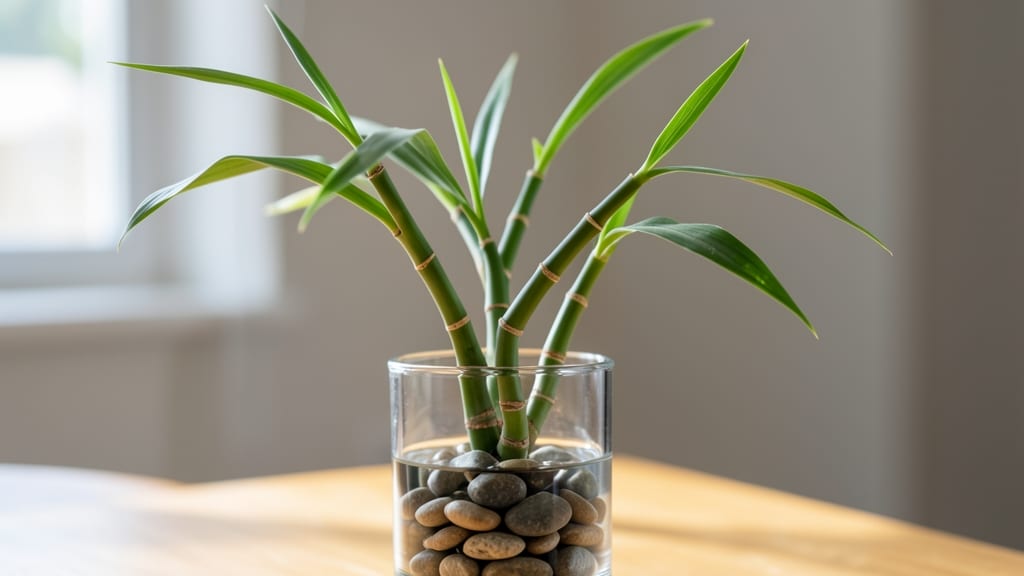
Growing a bamboo green plant fast is all about choosing the right variety—like Bambusa multiplex or Phyllostachys aureosulcata, which shoot up in weeks rather than months. 🌱 I’ve watched my clumping bamboo reach 6 feet in just one growing season, creating instant privacy without the years-long wait of slower growers.
The secret? Fast germination starts with the right soil prep and consistent moisture, but even beginners can nail it with a few key tricks.
You’ll need well-draining soil mixed with compost, a sunny spot (6+ hours of light daily), and regular watering—think damp sponge, not soggy. Running bamboo spreads aggressively, while clumping types stay put, so pick based on your space.
My running varieties now form a 12-foot-tall hedge, but they’re contained with buried root barriers. The trade-off? More growth speed for a little extra maintenance.
By summer’s end, you’ll have a lush, screen-like barrier that blocks noise and wind while adding tropical vibes to your yard. The leaves stay vibrant all year, and with proper pruning, you’ll encourage even denser growth.
No more waiting decades for a privacy screen—just fast, satisfying results that neighbors will envy.
Works for small yards, large properties, or even container growing (dwarf varieties like Bambusa ventricosa thrive in pots). The key is starting right—soil, sunlight, and variety make all the difference. Let’s get those shoots growing!
📚 In This Guide
- What you need
- Instructions
- Tips and common mistakes
- Wrapping up and next steps
What you need
- ● Bamboo plant: Choose fast-growing varieties like Bambusa multiplex or Phyllostachys aureosulcata. Buy 2–3 clumping bamboo rhizomes (avoid running bamboo unless contained!).
- ● Pot or planting site: Container option: 15–20 gallon pot (for indoors/patios) with drainage holes.
- ● Outdoor planting: Dig a hole twice as wide as the root ball, with 6+ inches of depth.
- ● Soil: Well-draining, slightly acidic mix (pH 5.5–6.5). Use: 60% topsoil (or cactus/succulent mix for containers).
- ● 30% perlite or coarse sand (for aeration).
- ● 10% compost (for nutrients).
- ● Mulch: 2–3 inches of organic mulch (pine bark or shredded leaves) to retain moisture.
- ● Watering can or hose (with gentle spray nozzle for seedlings).
- ● Pruners or shears (sterilized, for trimming).
- ● Gloves (to protect from sharp bamboo edges).
- ● Root barrier: HDPE plastic barrier (if planting running bamboo to prevent spreading).
- ● Fertilizer: Balanced 10-10-10 or bamboo-specific fertilizer (apply every 4–6 weeks in growing season).
- ● Support stakes: 3–4 bamboo stakes (for young plants in windy areas).
- ● pH test kit (to monitor soil acidity).
- ● Spray bottle (for misting seedlings daily).
Step-by-Step guide to growing fast-germinating bamboo for privacy
Here’s how to cultivate quick-growing bamboo varieties that deliver lush, year-round privacy within months—not years.
🌱 Step 1: Select Fast-Germinating Bamboo Varieties
For rapid growth, choose clumping bamboo species like Bambusa multiplex or Fargesia murielae, both known for their 2-3 foot annual height gain. Avoid running bamboo unless you’re prepared for containment—these spread aggressively. I always check the mature height of the variety against my space needs; 10-15 feet tall is ideal for most privacy screens.
Purchase healthy, dormant rhizomes (not seeds) from a reputable nursery. Look for thick, firm rhizomes with multiple buds—these will establish faster. If buying potted plants, choose those with 3-4 sturdy stems and no signs of yellowing leaves, which signals stress or disease.
🪴 Step 2: Prepare the Planting Site for Rapid Establishment
Bamboo thrives in partial shade to full sun, but fast growth requires 6+ hours of sunlight daily for clumping types. Test your site’s moisture—bamboo demands consistently damp soil but won’t tolerate waterlogging. Amend heavy clay with 2-3 inches of compost to improve drainage while retaining moisture.
Dig holes twice as wide as the root ball and 6 inches deeper to encourage root spread. Space multiple plants 3-5 feet apart—closer spacing slows growth as they compete for nutrients. I always add a slow-release fertilizer (10-10-10 ratio) to the planting hole to give young plants a nutrient boost for their first critical growth phase.
☀️ Step 3: Plant and Water for Immediate Growth Stimulus
Place the rhizome or potted plant in the hole so the top of the root ball sits 1 inch below soil level. Backfill with native soil mixed with compost, pressing gently to eliminate air pockets. Water immediately until moisture seeps 6 inches deep—this kickstarts root establishment. Mulch with 3 inches of organic mulch (like wood chips) to conserve moisture and suppress weeds.
For the first 2 weeks, water daily to keep the soil evenly moist but not soggy. You’ll know you’re doing it right when water drains through the mulch within 30 minutes. Avoid overhead watering—it spreads disease. Instead, use a soaker hose or drip irrigation at the base.
✂️ Step 4: Prune Strategically to Encourage Thick, Fast Growth
Prune only to shape, never to stunt growth. Remove any dead or diseased canes in early spring, cutting ½ inch above a healthy node. Avoid heavy pruning in the first year—you’re better off letting the plant focus its energy on establishing a strong root system. I trim just the tips of new shoots in summer to encourage bushier growth, but never more than 20% of the plant’s height.
Watch for new shoots emerging from the base—this is your sign the plant is thriving. Thin out crowded canes in late winter to improve airflow, which prevents fungal issues. A well-maintained bamboo screen can reach 80% of its mature height within 2 years if given proper care and space.
🌿 Step 5: Maintain for Year-Round Privacy in Record Time
Fertilize twice yearly with a balanced fertilizer (10-10-10) in early spring and mid-summer. Apply it 6 inches away from the stems to avoid burning the roots. Monitor soil moisture—bamboo should never wilt, but it also shouldn’t sit in standing water. In drought-prone areas, water 2-3 times weekly until the plant establishes a deep root system (1-2 years).
Divide clumping bamboo every 3-4 years to rejuvenate growth. Dig up the plant, separate the rhizomes, and replant the healthiest sections. This refreshes the plant’s vigor and gives you extra material for expanding your privacy screen. With this approach, you’ll see a dense, 8-foot-tall screen within 2 seasons—far faster than most hedges or fences.
Tips & tricks for fast-germinating bamboo privacy screens
Here's what nobody tells you about getting your bamboo to grow like a weed—literally.
Rhizome Selection: When choosing rhizomes, look for ones with at least three visible buds—the more buds, the faster the establishment. I've seen plants with single-bud rhizomes take nearly twice as long to reach maturity compared to multi-bud ones. If you're planting multiple clumps, space them according to their mature width (check the nursery's growth chart) to prevent overcrowding as they expand.
Soil Prep Secret: The 2-3 inches of compost we add isn't just for nutrients—it's creating the perfect moisture-retentive environment bamboo loves. For clay-heavy soils, mix in perlite or coarse sand to improve drainage while maintaining that moisture. I've seen bamboo plants in amended soil reach 3 feet in their first season where unamended plants only grew 18 inches.
Watering Wisdom: That 30-minute drainage test after watering is crucial—it tells you exactly how your soil is behaving. If water pools on top after 30 minutes, you need more compost or organic matter. And remember, bamboo roots extend 2-3 feet deep, so water needs to penetrate that far. A deep watering every other day is better than daily shallow watering that only wets surface roots.
Pruning Pro Tip: When you see those new shoots emerging from the base in Step 4, resist the urge to remove them all at once. Keep the strongest 2-3 shoots per clump and remove the rest—this focuses the plant's energy on creating a sturdy framework. I've found that plants with 4+ shoots per clump grow more slowly because they're competing for resources.
Pro Tips for Bamboo Green Plant
- Here's what nobody tells you about getting your bamboo to grow like a weed—literally.
- Rhizome Selection: When choosing rhizomes, look for ones with at least three visible buds—the more buds, the faster t...
- Soil Prep Secret: The 2-3 inches of compost we add isn't just for nutrients—it's creating the perfect moisture-retent...
Frequently asked questions
How fast does bamboo grow for privacy screening?
Most fast-growing bamboo varieties (like Bambusa multiplex or Phyllostachys aureosulcata) can reach 6–12 feet in just one growing season, providing quick privacy. Clumping bamboos (non-invasive types) grow 1–3 feet per year, while running bamboos (like Phyllostachys) can spread aggressively—up to 3–6 feet per year if unchecked. Always check the species before planting!
Will bamboo take over my yard?
Only running bamboo (e.g., Phyllostachys) spreads aggressively via underground rhizomes. Clumping bamboo (e.g., Bambusa) stays contained in tight clusters. To prevent spread, install a rhizome barrier (2–3 feet deep) or choose clumping types. Never plant running bamboo without containment!
Can I grow bamboo in containers for small spaces?
Yes! Clumping bamboo thrives in large containers (at least 15–20 gallons per plant). Use well-draining soil and repot every 2–3 years. Avoid running bamboo in pots—it’ll outgrow them quickly. Pro tip: Add a rhizome barrier liner inside the pot to slow spread.
Does bamboo survive winter in cold climates?
Most bamboo varieties tolerate USDA Zones 5–10. Cold-hardy types like Phyllostachys nigra (black bamboo) survive down to -10°F (-23°C). In colder areas, mulch heavily in fall and protect young plants with burlap wraps. Avoid tropical bamboos (e.g., Dendrocalamus) in freezing zones—they’ll die back.
How do I control bamboo if it spreads too much?
For running bamboo, dig up rhizomes (wear gloves—they’re sharp!) or smother with cardboard/mulch for 6+ months. For clumping types, prune aggressively in late winter to shape growth. Chemical treatments (like glyphosate) work but risk harming nearby plants—use carefully!
What’s the best bamboo for fast privacy without invasiveness?
Top picks for quick, contained growth:
- Bambusa multiplex (Thunderhead bamboo) – 3–5 ft/year, clumping, cold-hardy.
- Fargesia robusta (Robust fountain bamboo) – 2–3 ft/year, non-invasive, deer-resistant.
- Phyllostachys bissetii (Bisset bamboo) – 3–4 ft/year (clumping hybrid).
Skip: Phyllostachys aureosulcata (running type) unless you’re prepared for barriers!
Wrapping up and next steps
Growing a bamboo green plant for year-round privacy is not only rewarding but also eco-friendly! 🌱 With the right fast-germinating varieties—like Bambusa multiplex or Phyllostachys aureosulcata—you can enjoy lush, sustainable screens in no time.
Whether you’re a beginner or a seasoned gardener, these tips and FAQs will set you up for success.
Ready to transform your space? Start by selecting your preferred variety, prepping the soil, and planting with confidence. Your green oasis is just a few steps away—dig in and watch your bamboo thrive! 🌿