
Planting
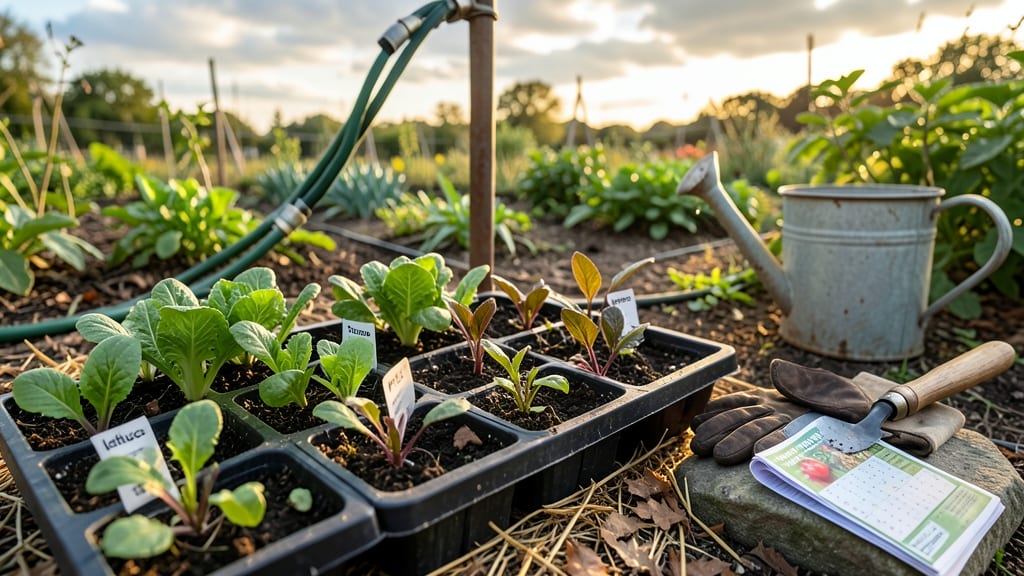
Planting a garden in Georgia depends on knowing when to plant to beat frost and heat—because timing here can make or break your harvest.
Georgia’s warm climate and diverse microclimates make it a gardener’s paradise—but planting too early or late can mean the difference between a thriving harvest and a failed crop. Timing your garden correctly ensures your plants avoid frost damage while maximizing growth potential.
From the Piedmont’s mild winters to the Coastal Plain’s long growing season, each region has its own last-frost dates. In Zone 7a-8b, most gardeners aim for late February to early April for spring crops, while fall planting runs from late August to early October.
Below, I’ll break down the best planting windows by crop, share region-specific frost dates, and reveal the one mistake that ruins more gardens than any other—so you can grow like a pro.
Georgia’s last-frost dates by county: critical planting timelines
Georgia’s diverse climate means last-frost dates can vary by hundreds of days between its northern mountains and coastal plains. Knowing your county’s average last frost helps you time cool-season crops like lettuce and warm-season crops like tomatoes perfectly.
In the Blue Ridge Mountains, frost lingers until mid-April, while Savannah gardeners can plant warm-season crops as early as mid-February.
For central Georgia (like Atlanta), the last frost typically falls between March 15 and April 1.
This 3-week window gives gardeners flexibility but requires careful planning. Southern counties like Brunswick and Camden often see their last frost by February 15, allowing for earlier plantings of heat-loving vegetables like peppers and eggplants.
Here’s a region-specific breakdown of Georgia’s last-frost dates to help you schedule your spring and fall plantings like a pro:
If you’re planting cool-season crops like broccoli, kale, or peas, aim to sow seeds 4-6 weeks before your county’s last frost date. For warm-season crops such as tomatoes, peppers, and cucumbers, wait until 2 weeks after the last frost to transplant seedlings.
In northern counties, this might mean delaying until mid-May, while coastal gardeners can start as early as March 1.
For fall planting, the opposite rule applies: start warm-season crops like sweet potatoes in late July and cool-season crops like spinach in late August.
The first frost in Georgia typically arrives between October 15 and November 15, depending on elevation. Southern counties often see frost later, giving gardeners a longer growing window.
Pro tip: Use row covers or frost cloths to extend your planting season by 2-4 weeks in cooler regions. For example, in Fannin County, you might push cool-season crops until late April with protection.
Always check soil temperatures—most warm-season crops need soil at 60°F (15°C) or warmer to thrive.
Local USDA Hardiness Zones also play a role. Zone 7a (northern GA) has colder winters than Zone 8b (coastal GA), so adjust your planting timeline accordingly. For precise data, consult the Georgia Climate Project or your local Cooperative Extension office for county-specific frost records.
Remember, microclimates matter! A south-facing slope warms up faster than a shady valley, so observe your garden’s unique conditions. By aligning your planting schedule with your county’s frost dates, you’ll maximize yields and avoid frost damage that can ruin months of hard work.
Start planning now—your spring harvest depends on it! 🌱
Best planting schedule for Georgia crops: cool-season vs. warm-season
Georgia’s diverse climate zones (USDA 7a-8b) mean you can grow almost year-round, but timing matters. Cool-season crops like broccoli and spinach thrive in spring and fall, while warm-season crops such as tomatoes and peppers need consistent warmth. Planting at the wrong time risks frost damage or stunted growth.
For cool-season crops, start seeds indoors 6-8 weeks before your last frost date (typically late February to early March in most regions). Transplant seedlings 2-4 weeks before the last frost, usually by mid-March to early April.
Fall planting begins late July to early August to harvest before first frost (mid-November).
Warm-season crops require soil temperatures of at least 60°F (15°C). In Georgia, this usually means waiting until mid-April to early May for northern regions and early March to April in southern areas. For a fall harvest, plant late July to early August for quick-maturing varieties.
| Crop Type | Best Planting Months | Soil Temp Requirement | Frost Tolerance | Days to Maturity |
|---|---|---|---|---|
| Cool-Season (Leafy Greens) | Feb-Mar, Aug-Sep | 45-60°F (7-15°C) | High | 30-60 |
| Cool-Season (Root Veggies) | Mar-Apr, Jul-Aug | 50-65°F (10-18°C) | Medium | 60-90 |
| Warm-Season (Tomatoes/Peppers) | Apr-May, Jul-Aug | 60°F+ (15°C+) | None | 60-120 |
| Warm-Season (Cucumbers/Squash) | May-Jun, Aug-Sep | 65°F+ (18°C+) | None | 45-70 |
| Herbs (Basil/Cilantro) | Mar-Apr, Aug-Sep | 50-75°F (10-24°C) | Medium | 30-90 |
Northern Georgia (e.g., Blue Ridge Mountains) has earlier frost dates, so adjust planting 2-3 weeks later than central or southern regions. For example, plant tomatoes in late May in Dahlonega but by mid-April in Savannah.
Always check your local last frost date using the Georgia Climate Project tool.
For herbs like basil, avoid planting until after May 1 in most of Georgia, as it won’t tolerate frost. Instead, start seeds indoors in March and transplant after last frost. Cilantro, however, thrives in cool weather and can be sown in fall for winter harvests.
Pro tip: Use row covers or cold frames to extend spring planting by 2-4 weeks for frost-sensitive crops like peppers. In fall, opt for fast-maturing varieties (e.g., bush beans) to harvest before first frost.