Planting
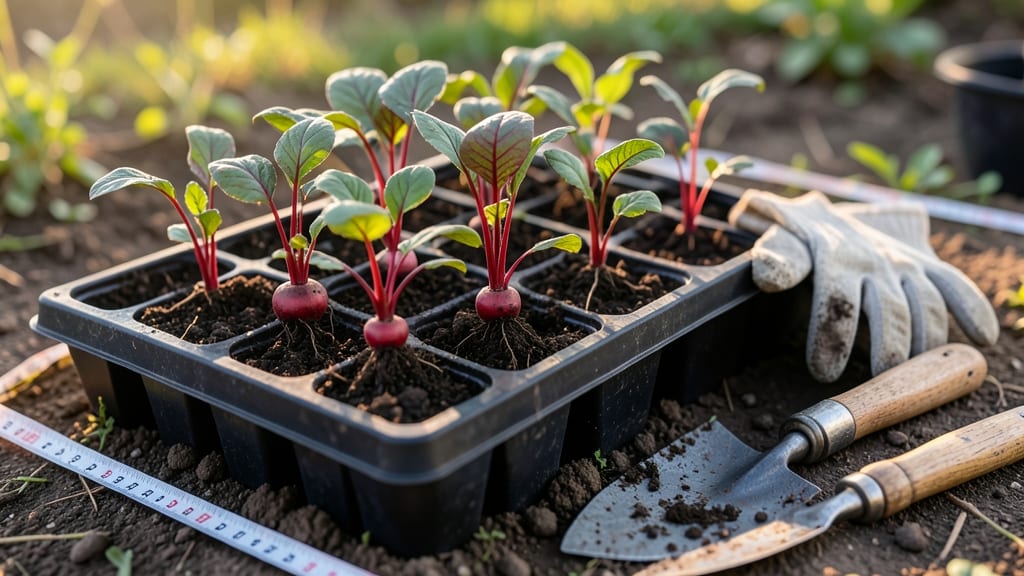
To plant beetroot successfully, how far apart should beetroot be planted with the right spacing—aim for 3–4 inches between seeds and 12–18 inches between rows—this balance prevents overcrowding while maximizing yield.
Struggling with thin, crowded beetroot harvests? Proper spacing is the secret weapon—plant beetroot too close, and you’ll sacrifice size and yield. But get it right, and you’ll enjoy plump, sweet roots with minimal competition for nutrients.
Most gardeners focus on planting depth or soil prep, but spacing is where you control how much room each 🍠 gets to grow. Too tight, and roots fight for space, turning small and misshapen. Too wide, and you waste garden real estate.
Below, I’ll break down the exact spacing for round, long, and baby beet varieties, plus how to adjust for soil type, containers, and companion plants—so you can avoid the most common mistakes.
Optimal beetroot spacing by variety: 12-Inch rule & when to break it
Beetroot spacing isn't one-size-fits-all—different varieties need tailored room to grow. The 12-inch rule works for most garden beetroot, but heirloom and baby varieties often break this rule.
Proper spacing ensures larger roots, fewer diseases, and easier harvesting. Let's dive into the specifics so you can maximize your beet harvest without overcrowding.
Most standard beetroot varieties like Detroit Dark Red or Golden thrive with 3-4 inches between plants and 12-18 inches between rows. This gives roots enough space to expand without competing for nutrients.
However, long beet varieties (like Chioggia) need slightly more room—4-5 inches apart—since their roots grow longer and narrower.
Baby beet varieties (e.g., Little Ball) can handle closer spacing—2-3 inches apart—since they're harvested small. Heirloom types, like Albina Vereduna (white striped), often need 4-5 inches to develop their unique shapes. Always check seed packets for variety-specific guidelines, as some heirlooms are bred for specific growing conditions.
Container gardening changes the game. If you're growing beetroot in pots, limit yourself to 1-2 plants per 5-gallon container. This ensures roots have enough room to develop without becoming pot-bound.
Use a well-draining potting mix with added compost to compensate for the limited space. Containers also allow you to harvest baby beets faster, as they won't outgrow the pot.
Overcrowding leads to small, misshapen roots and increases the risk of leaf spot disease due to poor airflow. Watch for yellowing leaves or roots that feel hard and woody—these are signs you’ve planted too close.
Thinning seedlings early (when they’re 2-3 inches tall) prevents competition and gives remaining plants the space they need to thrive.
Soil fertility plays a role too. In poor soil, widen spacing to 4-5 inches to reduce competition for nutrients. Amend your soil with compost or aged manure before planting to improve fertility naturally.
If your garden soil is rich, you can stick closer to the 3-inch spacing for standard varieties without sacrificing yield.
For succession planting, stagger your rows every 2-3 weeks to ensure a continuous harvest. This works especially well with baby beet varieties, which mature faster. By spacing rows 15-18 inches apart, you’ll have enough room to walk between them for maintenance and harvesting without disturbing the plants.
Proper spacing isn’t just about yield—it’s about ease of harvest. Beets grown too close get tangled roots, making them difficult to pull cleanly. With the right spacing, you’ll pull out plump, dirt-free roots with minimal effort.
Plus, well-spaced plants develop healthier greens, which you can harvest separately for salads or cooking.
Remember, beetroot is flexible. If you’re short on space, interplant with fast growers like radishes or lettuce, which you can harvest before the beets need more room. This maximizes your garden’s productivity without compromising beetroot growth. With these guidelines, you’ll enjoy a bountiful, stress-free harvest every season.
How to adjust spacing for different growing conditions
Your beetroot plants thrive when they have room to breathe, but spacing needs change based on your soil fertility, climate, and even container size. Rich, fertile soil?
You can narrow the gap slightly. Poor soil or hot summers? Space them wider to prevent stress. Let’s break down how to adjust spacing without sacrificing yield.
First, start with the standard spacing rule: 3–4 inches apart for seedlings and 12–18 inches between rows. This works for most home gardens with average soil. But if your soil is nutrient-poor or sandy, widen to 4–5 inches apart to give roots more room to expand.
In containers, reduce spacing to 2–3 inches but limit to 3–4 plants per 5-gallon pot.
⚠️ WARNING: Overcrowding Signs & Quick Fixes ⚠️
In hot, dry climates, increase row spacing to 18–24 inches to improve airflow and reduce bolting risk. Mulch heavily to retain moisture. Conversely, in cool, wet climates, you can tighten spacing to 2–3 inches since beetroot grows slower and needs less room. Always monitor for powdery mildew—tight spaces trap humidity.
For container gardening, prioritize depth over width. A 5-gallon pot holds 3–4 beetroot plants spaced 2 inches apart, but ensure roots have 8+ inches of soil depth.
Use well-draining mix to prevent rot. In raised beds, maintain 3–4 inches between plants but widen rows to 12 inches for easier harvesting.
Pro tip: Mark your rows with sticks or string to avoid over-planting. If you notice small, misshapen roots, it’s a sign to thin immediately. With the right adjustments, your beetroot will reward you with plump, sweet harvests all season long.
Experiment with spacing in one bed this year—track which adjustments work best for your local conditions. Happy growing! 🌱