
Planting
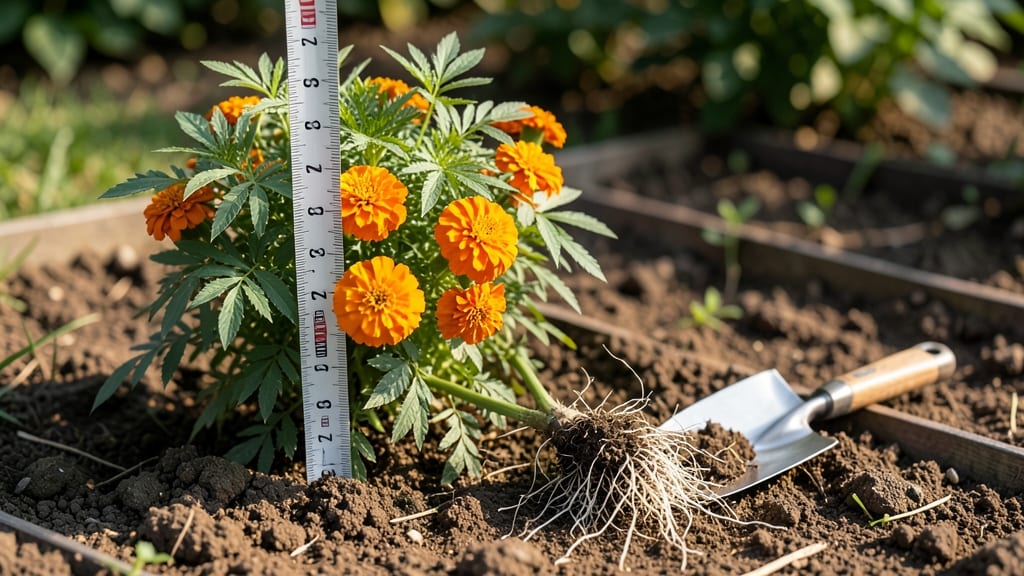
How deep do marigold roots grow? The answer is deeper than most gardeners assume—12 to 18 inches—which means your planting strategy could be holding them back.
Wondering if your marigolds need deep soil to thrive? The root depth of these vibrant flowers directly impacts their growth—and you might be planting them wrong without knowing it.
Too shallow, and they struggle to anchor; too deep, and their top growth suffers. The key lies in matching the planting depth to your soil type, whether you're working in containers or garden beds.
In this guide, I’ll break down the exact root depth by variety, how to prep soil for optimal growth, and why spacing matters more than you think for healthy 🌼 blooms all season.


Exact marigold root depth: how deep they grow by variety
If you've ever wondered how deep marigold roots grow, the answer depends on the variety you're planting. Most marigolds develop root systems that reach 12 to 18 inches deep when mature.
This depth ensures they access moisture and nutrients effectively, especially during hot summer months. Understanding these specifics helps you plant them correctly and avoid common mistakes that stunt growth.
The three most popular marigold types—French, African, and Signet marigolds—share similar root depths but have slight variations. French marigolds, for example, tend to have slightly shallower roots compared to their taller African cousins.
These differences matter when deciding on spacing and soil preparation, especially in containers or compacted garden beds.
Here’s a quick breakdown of root depths by variety to help you plan your planting strategy:
| Variety | Root Depth | Best Soil Type | Transplanting Tip |
|---|---|---|---|
| French Marigold | 12–15 inches | Well-draining, loamy | Space 10–12 inches apart |
| African Marigold | 15–18 inches | Sandy-loam, rich | Space 12–18 inches apart |
| Signet Marigold | 10–14 inches | Light, well-aerated | Space 8–10 inches apart |
Soil type plays a crucial role in how deep marigold roots grow. In sandy soil, roots may spread wider but grow slightly shallower, while clay-heavy soil can restrict root depth unless amended with compost.
Always loosen the soil to at least 12 inches deep before planting to encourage healthy root development from the start.
When transplanting marigolds, dig holes that are twice as wide as the root ball but only slightly deeper than the container. This prevents burying the stem, which can cause rot. For container gardening, ensure pots are at least 12 inches deep to accommodate root growth, especially for African marigolds.
Proper root depth also affects watering needs. Deeper roots mean marigolds can access moisture better during droughts, but they still need 1 inch of water per week during establishment. Mulching around the base helps retain moisture and encourages roots to grow deeper over time.
If you notice stunted growth or yellowing leaves, it could signal roots are struggling due to shallow planting or compacted soil. In such cases, gently loosen the soil around the plant to encourage deeper root penetration. This is especially important in urban gardens where soil may be heavily compacted.
For container-grown marigolds, choose pots with drainage holes and fill the bottom third with a mix of perlite and compost. This layer mimics deeper soil and helps roots establish more quickly. Remember, even in containers, roots will seek depth, so avoid shallow planters.
Marigolds thrive when their roots have room to explore. By understanding their natural root depth and adjusting your planting approach, you’ll set them up for a season of vibrant blooms. Pay attention to soil conditions and variety-specific needs, and your marigolds will reward you with bold colors and robust growth.
Ideal planting depth for marigolds: soil preparation tips
Marigolds thrive when planted at the right depth, but their root systems need proper soil conditions to spread. Most varieties develop roots that reach 12-18 inches deep—but this varies based on your soil type.
Sandy soils drain too quickly, while clay holds moisture too long, both requiring adjustments to planting depth and preparation.
Before planting, test your soil's drainage by digging a 6-inch hole and filling it with water. If it drains in under 30 minutes, your soil is too sandy.
If water pools after an hour, it's too clay-heavy. These tests help determine whether you need to amend the soil or adjust planting depth to prevent root stress.
Marigold roots typically grow 12-18 inches deep, but overcrowding or improper depth can stunt growth. Planting too deep suffocates roots, while shallow planting exposes them to drying out. Always bury the seedling 1 inch deeper than its current soil line to encourage downward growth.
For sandy soils, mix in 2-3 inches of compost or coconut coir to retain moisture and nutrients. This helps roots establish deeper before summer heat arrives. In clay-heavy soils, add organic matter like peat moss to improve drainage, allowing roots to spread without waterlogging.
Container gardening requires extra attention. Use pots with at least 12-inch depth and ensure drainage holes are present. Fill the bottom 3 inches with perlite or gravel to prevent root rot, then use a well-draining potting mix.
When transplanting, place the seedling so its stem sits 1 inch below the rim of the container.
After planting, create a 2-inch mulch layer with straw or shredded leaves to protect roots from temperature swings. Mulch also slows moisture evaporation, reducing the need for frequent watering. Replenish mulch every 4-6 weeks to maintain root health throughout the growing season.
Remember, marigolds reward careful planting with vibrant blooms all season. By adjusting depth based on your soil type and providing proper amendments, you'll give their roots the space they need to thrive—leading to healthier plants and more abundant flowers. Happy gardening!