
Planting
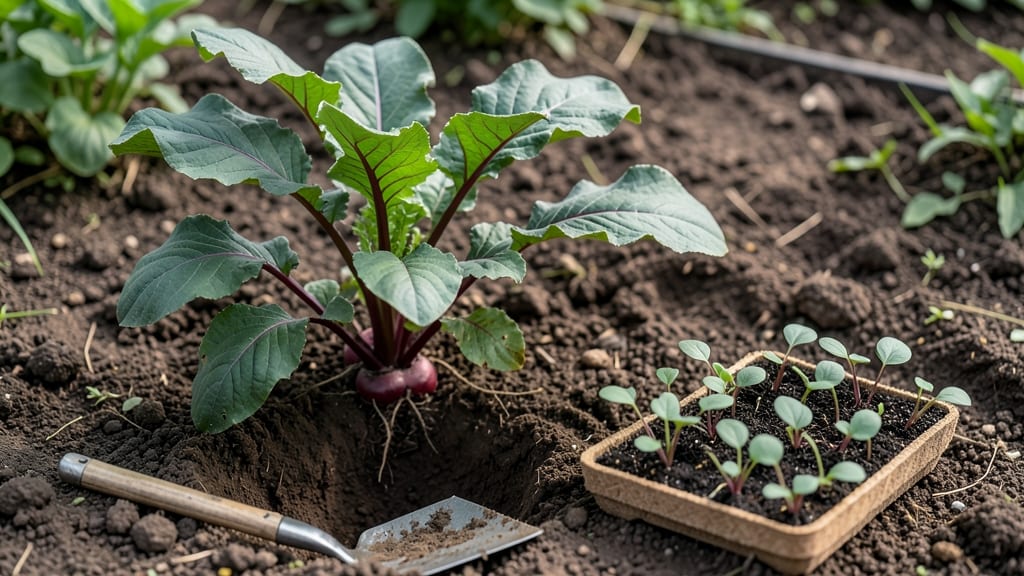
Is it too late to plant beetroot? You can still yield a rewarding harvest if you time it right and adjust your approach.
If you're staring at your garden with a bag of beetroot seeds in hand, wondering whether late planting is worth the effort, you're not alone—many gardeners face this dilemma every season.
The key isn't just about the calendar but understanding your local climate and how to protect young plants from early frosts.
In USDA Zone 6a, where the first frost typically arrives around mid-October, you can still plant beetroot until early September for a fall harvest. The trick is choosing fast-maturing varieties and using row covers or cold frames to extend the growing window.
Below, I’ll break down the best late-season strategies, from selecting the right varieties to protecting your plants from chilly nights. You’ll also learn how to tell when your beets are ready to harvest—even if they’re planted just weeks before winter sets in.

Beetroot planting deadlines: when late-season harvests still work
Determining whether it's too late to plant beetroot depends on your USDA hardiness zone and your region's first frost date. Beetroots are surprisingly cold-hardy, tolerating light frosts down to 25°F (-4°C), which gives you a longer planting window than many vegetables.
In zones 3-7, you can often push planting until 6-8 weeks before the first frost, while warmer zones (8+) may allow even later sowings.
For example, if your first frost typically arrives on October 15th, aim to plant beetroot seeds by early September for a fall harvest.
The key is calculating your frost-free growing period—beetroots need 50-60 days to mature from seed, though some fast varieties like 'Detroit Dark Red' can reach harvest in as few as 40 days under ideal conditions.
Here's a quick rule of thumb: Subtract 60 days from your first frost date to find your last viable planting window. Adjust for shorter varieties if you're in a hurry.
For instance, in Zone 5 with a October 10th frost date, your deadline would be around August 11th. This method works for both direct sowing and transplanting young seedlings.
| USDA Zone | Last Planting Window | Frost Tolerance | Harvest Timeframe | Best Varieties |
|---|---|---|---|---|
| 3-4 | Late July - Mid-August | 25°F (-4°C) | October - November | 'Golden' (fast), 'Chioggia' |
| 5-6 | Early August - Early September | 25°F (-4°C) | September - November | 'Detroit Dark Red', 'Boltardy' |
| 7-8 | Mid-August - Late September | 30°F (-1°C) | October - December | 'Cylindra', 'Ruby Queen' |
| 9-10 | Late August - October | 32°F (0°C) | November - January | 'Babybeat', 'Early Wonder' |
If you're transplanting beetroot seedlings instead of direct sowing, you can extend your deadline by 1-2 weeks. Seedlings handle cooler soil better than seeds, so this method is ideal for late-season gardeners. Just ensure your seedlings are 4-6 weeks old and hardened off before transplanting.
For example, in Zone 6, you might transplant Boltardy seedlings as late as September 1st for a harvest before hard frosts.
One common mistake is assuming beetroots need warm soil to germinate. While they prefer soil temperatures above 50°F (10°C) for fastest growth, they'll still germinate in cooler conditions—just more slowly.
In Zone 4, I've successfully planted beetroot seeds in early June for a fall harvest, even when soil temps hovered around 45°F (7°C). Patience is key: germination may take 2-3 weeks instead of the usual 7-10 days.
For gardeners in warmer climates (Zones 9-10), late planting can even mean winter harvests if you protect your crop. Use row covers or low tunnels to shield plants from light frosts, which can actually sweeten the roots.
In my Zone 9b garden, I've harvested beetroots in December by planting in late September and covering beds with frost cloth when temps dip below 40°F (4°C).
If you're pushing the envelope with late plantings, choose fast-maturing varieties like 'Babybeat' or 'Early Wonder', which can reach harvest in 40-50 days. These varieties are less likely to bolt (go to seed) in response to long daylight hours and cooler temps.
For slower varieties like 'Detroit Dark Red', consider staggered planting: sow half your seeds in early August and the rest in mid-August to spread out your harvest window.
Remember that late-planted beetroots may produce smaller roots but often have sweeter flavors due to slower growth and cooler temps. To maximize size, focus on consistent moisture and rich soil. Amend your planting area with compost before sowing, and mulch with
5 Proven strategies to extend beetroot growth in cool weather
Cool weather doesn’t have to mean the end of your beetroot dreams. With the right strategies, you can still enjoy a healthy harvest even when temperatures drop. The key lies in understanding how to protect your plants and optimize their growing conditions.
Whether you're dealing with early fall chills or late spring frosts, these methods will help you extend the season and maximize your yield.
One of the biggest challenges with late-season planting is slower growth and frost sensitivity. However, beetroots are surprisingly resilient when given the right support. By combining cold-hardy varieties, protective barriers, and smart planting techniques, you can turn your garden into a beetroot powerhouse even in cooler months.
Let’s dive into the five most effective strategies to keep your beets thriving.
-
1
Choose Cold-Hardy Varieties
Opt for Detroit Dark Red or Golden beet varieties, which tolerate cooler temperatures better than others.
-
2
Use Row Covers for Protection
Lightweight floating row covers raise soil temperature by 5-8°F and shield plants from frost.
-
3
Warm the Soil with Black Plastic
Lay black plastic mulch 2-3 weeks before planting to raise soil temps by 10-15°F.
-
4
Stagger Planting for Continuous Harvest
Sow seeds every 2 weeks to ensure a steady supply of fresh beets.
-
5
Store Beets for Spring Use
Harvest before frost and store in sandy soil or cool cellars for up to 6 months.
Starting with cold-hardy beetroot varieties is your first line of defense against chilly weather. Varieties like Detroit Dark Red and Golden are bred to withstand cooler temperatures, making them ideal for late-season planting.
These varieties not only survive but also thrive in temperatures as low as 40°F, ensuring a reliable harvest even when the air is crisp.
Once you’ve chosen your hardy varieties, the next step is to protect your plants from the elements. Row covers are a game-changer for extending the growing season. These lightweight fabrics create a microclimate that traps heat and shields your beets from light frosts.
Simply drape the cover over your rows and secure the edges with soil or bricks. This method can raise soil temperatures by 5-8°F, giving your beets the warmth they need to grow.
If you’re planting in early spring or late fall, consider using black plastic mulch to warm the soil. Lay the plastic down 2-3 weeks before planting to absorb sunlight and raise soil temperatures by 10-15°F.
This technique is especially useful in USDA zones 4-6, where cooler soils can delay germination. Just remember to remove the plastic once the soil is warm enough to prevent overheating.
To ensure a continuous supply of beets, adopt a staggered planting strategy. Instead of planting all your seeds at once, sow a portion every 2 weeks.
This approach guarantees that some beets will be ready to harvest before the first frost, while others can be left in the ground to mature slowly. It’s a simple but effective way to extend your harvest window and avoid a glut of beets all at once.
Finally, don’t overlook the power of post-harvest storage to preserve your beets until spring. If a frost is imminent, harvest your beets before they’re fully mature and store them in sandy soil or a cool cellar.
Beets stored this way can last up to 6 months, giving you a fresh supply well into the next growing season. Just be sure to handle them gently to avoid bruising, which can shorten their shelf life.