
Planting
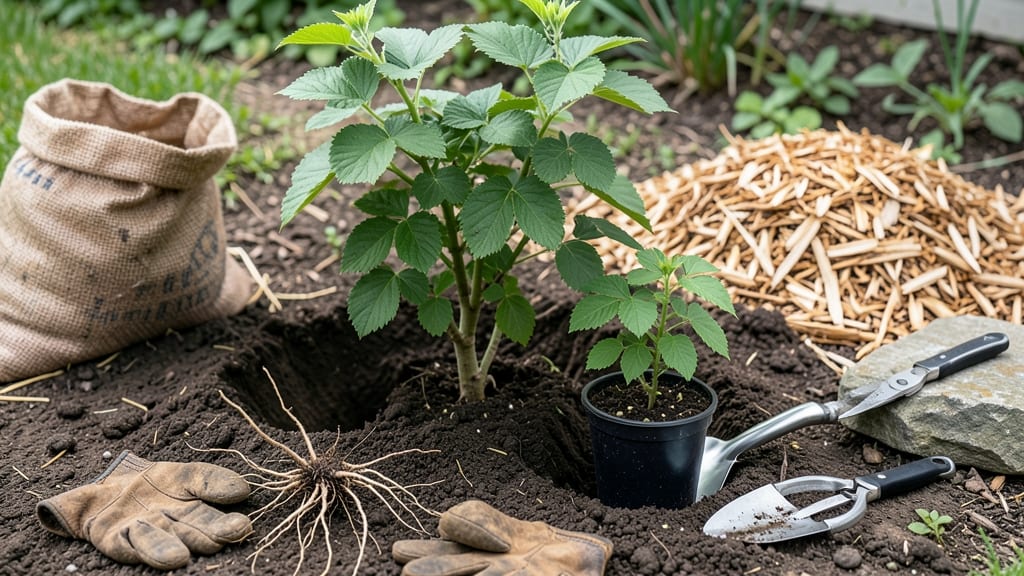
Planting blackberries in the right season is the key to avoiding years of thin harvests or dead canes — and the best window for your zone may surprise you.
If you’ve ever planted these 🫐 berries too early and watched frost nip the new growth, or too late and struggled with weak root establishment, you know timing matters. Blackberries need a balance: enough warmth to sprout but still cool enough to prevent stress before dormancy kicks in.
In USDA Zone 6 and similar temperate climates, the ideal planting window is March to April, right after the last frost but before summer’s brutal heat.
But if you’re in a warmer region, like Zone 8 or higher, you might need to adjust your schedule to avoid the dog days of summer.
Below, I’ll break down the exact months for your zone, how to prep soil for maximum root growth, and the three biggest mistakes new growers make when planting — so you can skip the trial-and-error and get straight to juicy, ripe berries.

Blackberry planting season by USDA hardiness zones: best months for success
Getting your blackberry planting season timing right depends entirely on your USDA hardiness zone. In warmer zones like 8-10, you can plant as early as January and even enjoy two harvests per year.
But in colder zones like 3-5, you’ll need to wait until late spring to avoid frost damage to your new canes. The key is understanding your zone’s last frost date and your blackberry variety’s cold hardiness.
Blackberries are divided into two main types: floricanes (which fruit on second-year canes) and primocanes (which fruit on first-year canes). Primocane varieties like 'Prime-Ark Freedom' are more flexible with planting timing, while floricane varieties like 'Triple Crown' require precise scheduling to align fruiting with your climate.
Let’s break down the best planting windows by zone to ensure your blackberries thrive from day one.
Pro Tip: Always plant bare-root blackberries when they’re dormant (no leaves) for best root establishment. Container-grown plants can be planted year-round in mild climates, but dormant season planting gives them a head start in colder regions.
In zones 3-5, where winters are harsh, I recommend planting floricane varieties like 'Chester' or 'Darrow' in late April or early May. These varieties need a cold dormancy period to fruit well, and planting too early risks frost damage to emerging canes.
Always check your local last frost date—planting too soon can stunt growth or kill tender new shoots.
For zones 6-7, your best window is March to early April. This gives your blackberries time to establish roots before summer heat sets in. Primocane varieties like 'Natchez' are excellent choices here because they produce fruit on first-year canes, giving you an earlier harvest.
Just be prepared to protect young plants with row covers if late frosts sneak in.
In warmer zones 8-9, you can plant as early as January and even enjoy two harvests per year with the right varieties. Primocane types like 'Prime-Ark Freedom' thrive here, producing fruit on both first- and second-year canes.
The key is ensuring your soil stays well-draining—blackberries hate soggy roots—and providing consistent moisture during dry spells.
If you're in zone 10 or warmer, you’re in luck—blackberries can be planted year-round, though I avoid peak summer months to reduce stress. Varieties like 'Apache' and 'Chester' do well here, but focus on drip irrigation to prevent fungal issues from overhead watering.
These climates also allow for container growing, which is perfect for small spaces or renters.
Critical Tip: No matter your zone, always plant your blackberry crowns 2 inches below soil level. This encourages strong root growth and helps protect the plant from temperature swings. Space plants 4-6 feet apart to allow for proper airflow and cane development—crowding leads to disease and poor fruit production.
Finally, remember that blackberries are heavy feeders. After planting, apply a balanced fertilizer (10-10-10) to give your new plants a nutrient boost. In zones 3-7, a thick mulch layer (3-4 inches) will protect roots from winter freeze-thaw cycles. With the right
Critical blackberry planting mistakes and how to avoid them
Blackberries are resilient plants, but even the hardiest varieties can struggle if planted incorrectly. I’ve seen new gardeners make simple mistakes that lead to stunted growth or poor fruit production. The good news?
Most of these issues have easy fixes once you know what to watch for. Let’s dive into the most common blackberry planting mistakes and how to sidestep them before they derail your harvest.
First, many gardeners overlook soil pH requirements. Blackberries thrive in slightly acidic soil with a pH between 5.5 and 6.5. If your soil is too alkaline or too acidic, nutrient uptake suffers, and your plants may show signs of stress like yellowing leaves or weak canes.
Testing your soil before planting is a game-changer—it’s a small step that prevents years of frustration.
⚠️ Blackberry Planting Season Pitfalls
- Soil pH: Improper pH (below 5.5 or above 6.5) causes nutrient deficiencies. Test and amend with sulfur or lime as needed.
- Overcrowding: Planting too close (3 feet apart) leads to competition for nutrients and increased disease risk.
- Shade: Blackberries need 6+ hours of full sun. Planting in partial shade reduces fruit production by up to 50%.
- Trellis Setup: Skipping a trellis or using weak supports causes canes to flop, making harvest difficult and increasing pest access.
These mistakes are easy to avoid with the right prep—don’t let them ruin your blackberry planting season!
Another frequent mistake is planting blackberries in shade. These plants are sun-lovers and need at least 6 hours of direct sunlight daily. If you’re working with a shady spot, consider dwarf varieties like ‘Arapaho’ or ‘Cheyenne,’ which tolerate slightly less light—but even then, fruit production will suffer.
Before planting, scout your yard for the sunniest location possible. A south-facing spot is ideal for maximizing sunlight exposure.
Many gardeners also struggle with incorrect trellis setup. Blackberry canes grow aggressively and need support to prevent them from sprawling across the ground. Without a trellis, canes become tangled, making harvesting difficult and increasing the risk of fungal diseases from moisture trapped on the soil.
Use a strong, durable trellis (like a T-post system or wire trellis) and train canes to grow upward. This not only makes harvesting easier but also improves air circulation around the plants.
Overcrowding is another silent killer of blackberry plants. Many new growers plant canes too closely together, thinking they’ll get more berries. But overcrowding leads to competition for water, nutrients, and sunlight, resulting in weaker plants and smaller fruit.
Space your blackberry plants 4 to 6 feet apart in rows that are 8 to 10 feet apart. This gives them room to spread and thrive without competing with each other.
Finally, some gardeners forget to prepare the soil properly before planting. Blackberries need well-draining soil rich in organic matter. If your soil is heavy clay or sandy, amend it with compost or aged manure to improve drainage and fertility.
A soil test will tell you exactly what your soil needs—whether it’s nitrogen, phosphorus, or organic matter. Don’t skip this step; it’s the foundation for healthy, productive plants.
By avoiding these common mistakes, you’ll set your blackberries up for success from day one. Pay attention to soil pH, sunlight, spacing, and trellis support, and you’ll be rewarded with a bountiful harvest year after year. Happy planting! 🌱