
Flowers
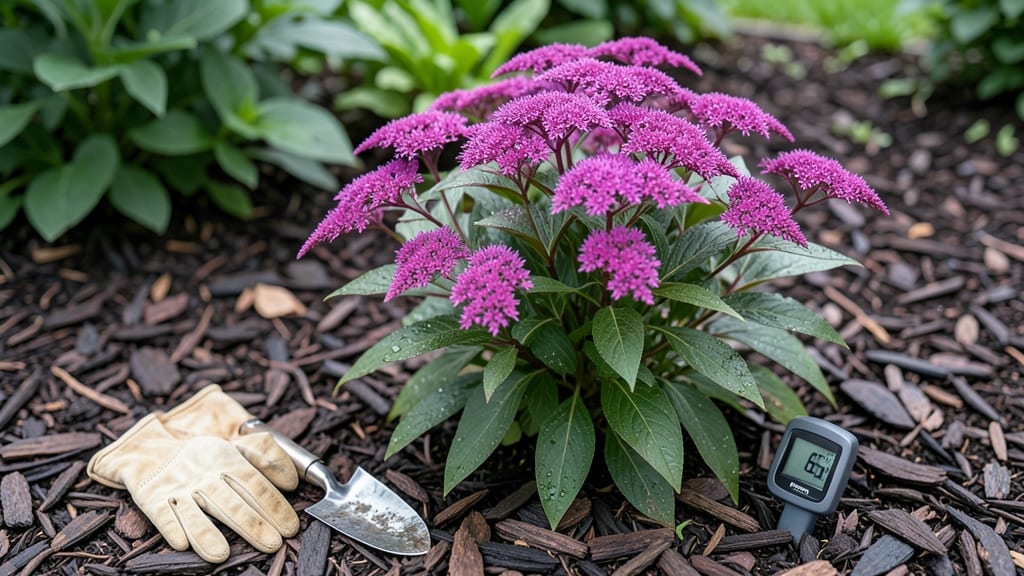
Astilbe in Zone 5 thrives when you choose cold-hardy varieties like 'Fanal' or 'Deutschland' and plant them during early spring or fall. These plants need well-drained soil, partial shade, and thick mulch to survive harsh winters and intense summer sun.
Zone 5 gardeners know the struggle—balancing cold winters with vibrant blooms. The key is selecting astilbe varieties bred for resilience, like 'Fanal' or 'Deutschland', which can handle 20°F temperatures without browning. 🌿 These cultivars also boast longer bloom times, giving you more summer color.
The secret weapon? Planting in early spring or fall when soil temperatures are stable, combined with a 3-inch layer of mulch to shield roots from freeze-thaw cycles. I’ve found that adding compost to the mulch mix boosts soil fertility for next year’s growth.
Partial shade is non-negotiable—direct sun scorches the feathery plumes, while too much shade reduces flowering. Aim for morning sun and afternoon shade, especially in hot summers. For extra insurance, I tuck astilbes near shrubs or trees that provide natural windbreaks.
This setup turns your garden into a low-maintenance, high-impact display that survives Zone 5’s extremes.
💡 In This Article
- Hardy Astilbe Varieties for Zone 5 Winters
- Zone 5 Astilbe Planting and Care Schedule
Hardy astilbe varieties for Zone 5 winters
Zone 5's brutal winters—where temperatures can plunge to -15°F—demand astilbe varieties with exceptional cold hardiness. The key difference lies in their genetic adaptations: hardy cultivars like 'Deutschland' (Zone 4-8) and 'Fanal' (Zone 4-9) develop thicker, more fibrous root systems that store carbohydrates for winter survival.
These varieties also exhibit a unique trait called "cold acclimation," where their cells produce protective proteins that prevent ice crystal formation in tissues during freeze-thaw cycles. 🌟
The color spectrum matters too—darker varieties like 'Amethyst Fall' (purple) and 'Regina' (deep pink) tend to handle cold better than lighter ones. This is because their pigmentation contains higher concentrations of anthocyanins, which act as natural antifreeze compounds.
For example, 'Deutschland''s burgundy plumes can withstand 20°F without browning, while lighter varieties may develop frost damage at 25°F. The trade-off? Darker blooms often have slightly shorter vase life but far greater winter resilience.
Growth habit plays a crucial role in survival. Hardy astilbes grow more compactly (typically 18-24 inches tall) with sturdier stems that resist wind damage during winter storms. Their basal leaves stay semi-dormant through winter, conserving energy while still photosynthesizing when temperatures rise above 32°F.
This contrasts with tender varieties that grow taller (30+ inches) and flop under snow load or freeze completely when exposed to prolonged 10°F temperatures.
What most gardeners overlook is the bloom timing advantage of cold-hardy varieties. These cultivars initiate flower buds earlier in the season, giving them a 3-4 week head start on blooming compared to southern varieties.
This means you'll see vibrant plumes in early June rather than July, extending your seasonal color display.
The science behind this is fascinating: cold-hardy astilbes have a shorter "vernalization" period—the time they need exposed to cold temperatures to trigger flowering—typically 4-6 weeks of 40°F nights compared to 8-10 weeks for tender varieties.
Consider these top performers for Zone 5:
- 'Deutschland': Dark red plumes, 24-inch height, blooms June-July, handles -20°F with proper mulch
- 'Fanal': Deep pink, 20-inch height, blooms May-June, excellent for cut flowers
- 'Regina': Soft pink, 18-inch height, blooms June-August, disease-resistant
- 'Amethyst Fall': Purple, 22-inch height, reblooms in fall, handles -15°F
The secret to their success lies in their ability to balance cold tolerance with vigorous regrowth. After winter dieback, these varieties sprout new growth from their crowns as soon as soil temperatures reach 50°F, giving them a full growing season advantage over more delicate species.
This resilience makes them the workhorse of Zone 5 gardens—reliable year after year with minimal fuss. 💫