
Planting
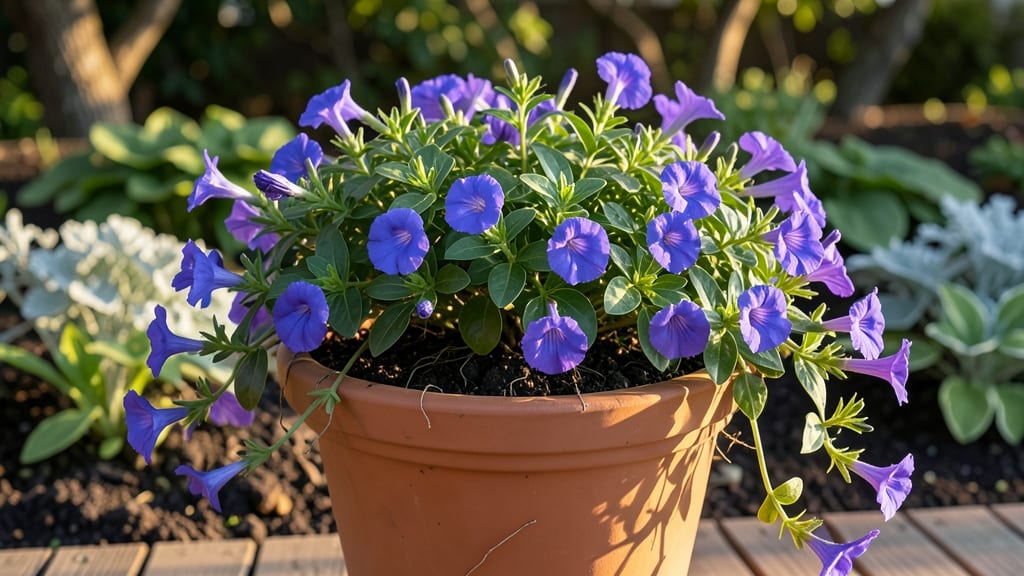
That large purple plant glow transforms any garden into a moody masterpiece. 💜 The Purple Smoke Bush (Cotinus coggygria) stands out with its velvety foliage and wispy plumes, while Cleome hassleriana adds dramatic vertical interest with its purple blooms.
These aren’t just eye-catching—they’re the statement pieces that make your yard unforgettable.
Whether you’re using them as a bold focal point or lining a pathway, these plants thrive in full sun to partial shade. The Purple Smoke Bush grows 6-10 feet tall, perfect for shrub borders, while Cleome reaches 3-5 feet and works beautifully in containers or mixed borders.
Their glossy, deep-purple leaves hold up all season, and some even change color in fall.
Pair them with silvery foliage like lamb’s ear or soft yellows from black-eyed Susans for a striking contrast. With minimal care—just regular watering and occasional pruning—they’ll reward you with months of drama and texture. Your garden will feel like a secret escape, rich with color and depth.
For best results, plant in well-draining soil and avoid overwatering—these plants hate soggy roots. A little fertilizer in spring keeps them lush, and they’re tough enough to handle drought once established. Ready to make your garden pop with purple?
📚 In This Guide
- What you need
- Instructions
- Tips and common mistakes
- Wrapping up and next steps
What you need
- ● Purple plant cuttings or seeds: 3–5 healthy cuttings (6+ inches long) or 10–15 seeds (for propagation). Look for deep-purple varieties like Coleus 'Willy P. Colenso' or Sweet Potato Vine 'Margarita'.
- ● Well-draining potting mix: 1–2 gallons of a light, airy blend (e.g., 60% peat moss, 30% perlite, 10% vermiculite). Avoid heavy garden soil!
- ● Containers: 2–3 small pots (4–6 inches wide) with drainage holes, or a single larger tray (12"x12") for group planting.
- ○ Rooting hormone (optional but helpful): A small tube of powder or gel to boost root growth.
- ● Pruning shears or sharp scissors: Sterilized to avoid disease (rubbing alcohol wipe works!).
- ● Spray bottle: For misting cuttings (16 oz or larger).
- ● Plastic wrap or humidity dome: To create a mini greenhouse effect (clear plastic wrap or a small propagator lid).
- ● Bright, indirect light source: A sunny windowsill (east or north-facing) or a grow light (12–14 hours/day).
- ● Watering can with a fine rose: For gentle hydration (avoid overwatering!).
- ● 🌡️ Temperature: Keep cuttings in a warm spot (70–75°F) for faster rooting.
- ● ✨ Light: Avoid direct sun until roots establish (2–3 weeks).
- ● 💧 Water: Keep soil moist but not soggy—purple plants hate "wet feet."
How to grow and care for a striking large purple plant
This bold beauty thrives with the right conditions—here’s how to cultivate its deep, velvety foliage.
🌱 Step 1: Select the Right Purple Plant Variety
Not all purple plants reach large sizes, so choose a proven variety like Black Prince Coleus, Purple Heart Petunia, or Royal Purple Smoke Bush. These thrive in containers or garden beds and develop that signature deep-purple hue when exposed to bright, indirect light. Avoid delicate varieties like African Violet, which stay small and may fade in intense sunlight.
Check the plant’s mature height—aim for 3-5 feet for a bold statement. If planting outdoors, verify your hardiness zone; most large purple plants prefer zones 9-11 but can be overwintered indoors in cooler climates. I always opt for nursery-grown plants over seeds for faster, more reliable results.
☀️ Step 2: Position for Optimal Light and Color Intensity
Place your purple plant where it receives 4-6 hours of morning sun followed by afternoon shade. Direct afternoon sun can bleach the foliage, turning vibrant purples into washed-out lavenders. A east-facing window or a partially shaded patio works perfectly. If indoors, position near a south-facing window but filter light with a sheer curtain to prevent leaf scorch.
Watch for color changes—if the purple deepens to almost black, the light is ideal. If it turns greenish, move the plant to a brighter spot. I’ve found that rotating the plant quarter-turn weekly ensures even color development on all sides, preventing lopsided growth.
💧 Step 3: Water and Feed for Rich, Deep Color
Keep the soil consistently moist but never soggy—purple plants wilt quickly if underwatered but also rot if overwatered. Stick your finger 1 inch into the soil; if it feels dry, water until liquid drains from the bottom. Use room-temperature water to avoid shocking the roots. I always water in the morning so excess moisture evaporates by evening.
Fertilize monthly during growing season with a balanced liquid fertilizer (10-10-10) diluted to half-strength. Purple plants respond dramatically to nutrients, producing glossier leaves and more intense color. In winter, reduce feeding to every 6-8 weeks as growth slows. Over-fertilizing causes leaf burn, so always follow package instructions.
✂️ Step 4: Prune to Encourage Bushiness and Prevent Legginess
Pinch back the tips of new growth when the plant reaches 6-8 inches tall to encourage branching. This creates a fuller, more compact shape and prevents the plant from becoming leggy and top-heavy. Use clean, sharp pruners to avoid crushing stems. I always make cuts just above a leaf node—this is where new growth will sprout.
Remove any yellow or brown leaves immediately—they drain energy and can spread disease. If the plant outgrows its container, prune back by one-third before repotting to reduce transplant shock. Regular pruning also rejuvenates older plants, keeping their color vibrant for years.
🪴 Step 5: Overwinter and Protect from Cold
Most large purple plants are tender perennials, meaning they die back in frost but regrow from roots if protected. Before the first frost, move potted plants indoors to a cool, bright spot like a garage or sunroom where temperatures stay between 45-55°F. Water sparingly—only enough to keep soil from drying out completely.
If growing in the ground, mulch heavily with 3-4 inches of straw or shredded leaves to insulate roots. In zones below 9, dig up container plants and store them in a dark, frost-free area until spring. I’ve successfully overwintered Purple Smoke Bushes for five years using this method—they bounce back with even more dramatic color each season.
Tips & tricks for stunning large purple plant growth
These insider tricks will help you coax out that show-stopping deep purple color and keep your plant thriving for years.
Light Secret: That 4-6 hours of morning sun is non-negotiable for the richest purple hues. I’ve noticed the color intensifies even further if you supplement with a grow light for 2-3 hours in the evening during winter months when natural light is weaker. Position the light 6-12 inches above the plant to prevent leaf scorch—purple foliage is particularly sensitive to heat stress.
Soil Science: Purple plants thrive in well-draining, slightly acidic soil with a pH between 6.0-6.5. I always mix in a handful of perlite or orchid bark to the potting mix when repotting—this prevents soggy roots that can turn leaves yellow. For container plants, ensure drainage holes are present and never let water pool in saucers for more than 15 minutes after watering.
Pruning Precision: When you reach that 6-8 inch growth stage for pinching, make your cuts at a 45-degree angle just above a leaf node. This angled cut prevents water from pooling on the stem, reducing disease risk. I’ve found that pruning in the morning gives new growth a head start for the day, and always sterilize my pruners with rubbing alcohol between cuts to prevent bacterial spread.
Winter Survival: That 45-55°F range for overwintering is perfect, but humidity matters just as much. I place a humidifier near my overwintered plants or group them together to create a microclimate. Mist the leaves lightly every few days to prevent them from drying out—this keeps that glossy finish that makes purple plants so striking. A simple pebble tray with water underneath the pot also helps maintain moisture levels.
Pro Tips for Large Purple Plant
- These insider tricks will help you coax out that show-stopping deep purple color and keep your plant thriving for years.
- Light Secret: That 4-6 hours of morning sun is non-negotiable for the richest purple hues.
- Soil Science: Purple plants thrive in well-draining, slightly acidic soil with a pH between 6.0-6.5.
Frequently asked questions
Got questions about growing or caring for your large purple plant? You’re not alone! Here are some of the most common queries—plus quick, practical answers to keep your bold foliage thriving.
What’s the best way to propagate a large purple plant?
Most large purple plants (like Coleus or Sweet Potato Vine) spread easily through stem cuttings. Snip a 4-6 inch section below a leaf node, remove lower leaves, and dip in rooting hormone. Plant in moist potting mix and keep humid until roots form (about 2-4 weeks). Pro tip: Use a clear plastic bag to trap moisture!
How fast does a large purple plant grow?
Growth speed depends on the variety, but expect moderate to fast progress with ideal conditions. Sweet Potato Vine can sprout new leaves weekly, while Coleus grows steadily at 6-12 inches per season. Boost growth with bright, indirect light and regular watering—just avoid soggy soil!
Why are the purple leaves turning yellow or brown?
Yellowing often signals overwatering or poor drainage, while brown edges usually mean underwatering or low humidity. Check soil moisture (top inch should dry out) and adjust watering. Fix it fast: Trim damaged leaves and move to a spot with 50-70% humidity (a pebble tray helps!).
Can a large purple plant survive in full sun?
Most varieties prefer bright, indirect light—direct sun can bleach their vibrant purple hues or scorch leaves. Sweet Potato Vine tolerates partial sun, but Coleus thrives in filtered light. Test your plant: Start with morning sun and gradually increase exposure to avoid stress.
What are some purple plant alternatives for shady spots?
If your space lacks light, try Purple Heart (Tradescantia pallida) or Black Lace Elderberry (Sambucus nigra ‘Black Lace’). For indoor options, Purple Waffle Plant (Hemigraphis alternata) or Purple Passion Plant (Gynura aurantiaca) add drama with minimal light. Bonus: These thrive in humidity-rich bathrooms!
Wrapping up and next steps
Adding a large purple plant to your garden or indoor space is a fantastic way to bring bold color and striking visual interest to any setting.
Whether you’re drawn to its deep, glossy leaves or its unique ability to thrive in various conditions, this plant is a standout choice for both beginners and seasoned gardeners. 🌿✨
Now that you’re equipped with the materials and answers to common questions, it’s time to take action! Start by selecting the perfect spot for your new plant—whether it’s basking in filtered sunlight or thriving in a cozy corner—and watch as it transforms your space with its vibrant hue.
Happy planting! 🌱