
Planting
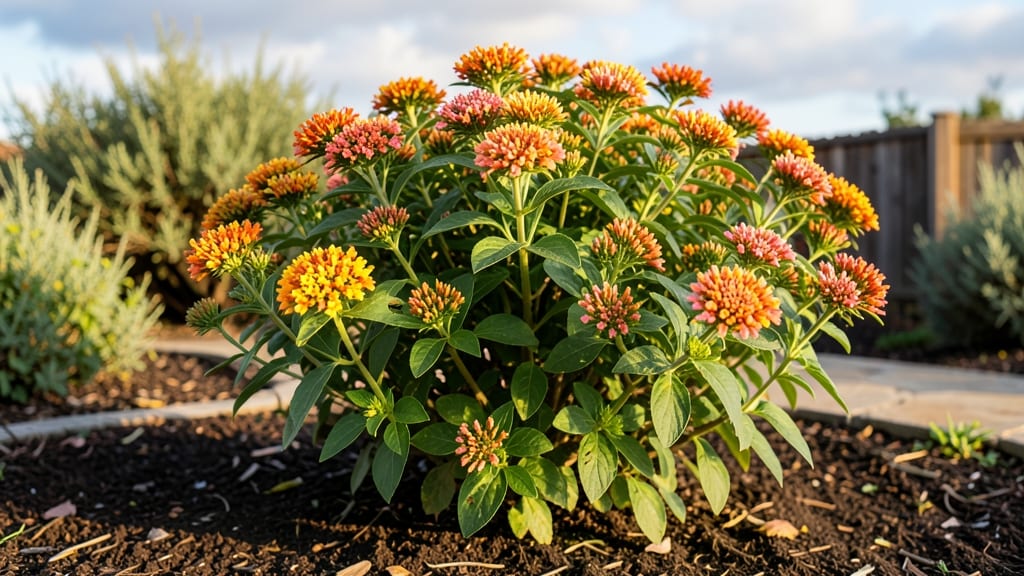
Growing lantana in Zone 6 requires extra care since these warm-climate plants can't survive freezing temperatures without protection. While they may die back to the ground in winter, their roots often survive, allowing regrowth in spring if you mulch heavily and choose hardier varieties like Lantana camara.
Lantana plants thrive in USDA Zones 8-11, where they enjoy warm winters and consistent heat. 🌡️ In Zone 6, where temperatures can drop below 20°F, the stems and foliage will inevitably freeze and die back—but the real key to survival lies in protecting the root system.
A thick layer of 4-6 inches of mulch (straw or shredded leaves) acts like a blanket, insulating roots from extreme cold. I've found that adding a layer of frost cloth over the mulch in late fall provides an extra barrier, especially during unexpected cold snaps.
What many gardeners overlook is that lantana's resilience comes from its root system, not just the above-ground growth. Even if the plant looks completely dead in winter, those roots can still sprout new shoots when temperatures warm up in spring.
The secret is patience—don't prune back dead stems until you see fresh green growth emerging in late spring, as this confirms the roots have survived.
💡 In This Article
- How Cold Weather Affects Lantana’s Survival in Zone 6
- Zone 6 Lantana Care: Mulching, Pruning, and Overwintering Strategies
How cold weather affects lantana’s survival in Zone 6
Lantana plants, native to tropical and subtropical regions (USDA Zones 8-11), lack the biological adaptations to handle Zone 6's freezing temperatures. When nighttime lows drop below 28°F, the plant's stems and leaves begin to freeze, causing cellular damage through a process called ice crystal formation.
These sharp ice crystals rupture cell walls, leading to the plant's death above ground—but the roots often remain viable because they're insulated by soil.
The key difference between lantana and other tropical perennials like bougainvillea (Zone 9-11) or hibiscus (Zone 5-11) lies in their root hardiness.
While hibiscus can survive -15°F with proper protection, lantana's roots typically tolerate down to 15-20°F when mulched. 🌱 The critical threshold for lantana is 25°F: below this, even protected roots may suffer damage.
This is why gardeners in Zone 6 must focus on insulating the root zone rather than trying to protect the stems.
Mulch acts as insulation by trapping heat from the soil and slowing temperature fluctuations. A 4-6 inch layer of organic mulch (like straw or shredded leaves) can raise soil temperatures by 5-10°F compared to bare soil.
The science behind this is simple: organic matter has high thermal mass, absorbing heat during the day and releasing it slowly at night. For extra protection, adding a layer of frost cloth creates an additional 5°F buffer against cold snaps.
What's fascinating is how lantana's regrowth mechanism works. The plant stores carbohydrates in its roots during the growing season, which fuel new shoot production when temperatures rise in spring.
This is why you'll often see lantana "coming back from the dead" in late April or May—it's not a new plant, but the original root system waking up. Unlike annuals, lantana treats winter dormancy like a hibernation state, conserving energy until conditions improve.
One common misconception is that all lantana varieties have the same cold tolerance. While Lantana camara (the most common cultivar) is the hardiest, other varieties like Lantana montevidensis (yellow lantana) are even more sensitive to cold.
This is why selecting the right variety is crucial—some can survive 20°F with protection, while others may need to be treated as annuals in Zone 6.
For comparison, consider how lantana's cold sensitivity stacks up against other tropical plants: bougainvillea requires 30°F protection, while hibiscus can handle 25°F with mulch. The main difference is that lantana's root system is more resilient than its stems, making it uniquely adaptable to Zone 6 with proper winter care. 🌿