
Planting
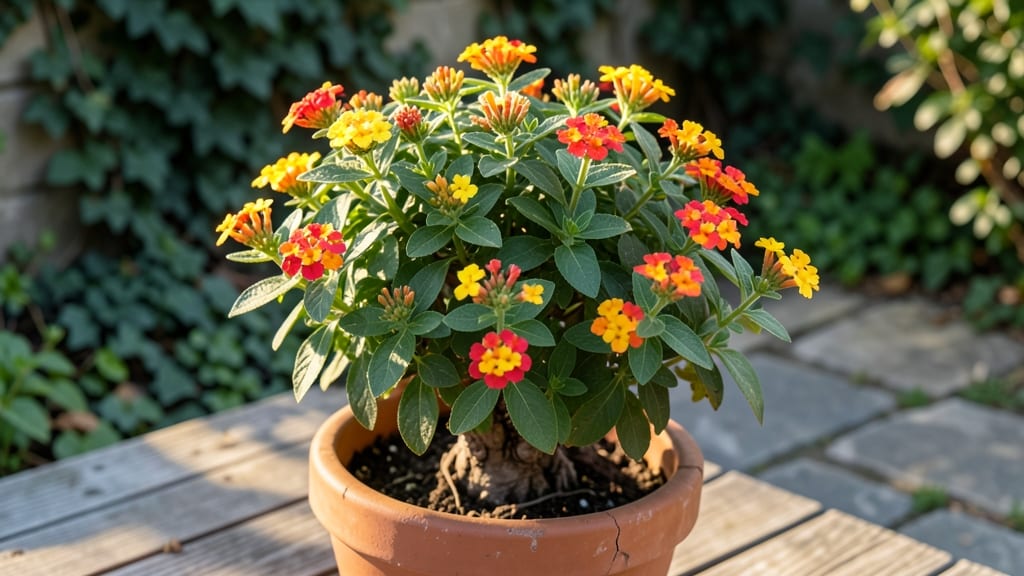
Lantana is not reliably perennial in Zone 6, as it typically dies back to the ground in winter temperatures below 20°F (-6°C), though some hardier varieties may survive brief cold snaps if protected. Most gardeners treat it as an annual or overwinter it indoors.
Lantana's cold sensitivity stems from its tropical origins, where it thrives in USDA Zones 9-11. 🌡️ The plant's woody stems can't withstand prolonged freezing, causing them to blacken and die when temperatures drop below 20°F (-6°C) for more than a few hours.
Even in milder Zone 6 winters, sudden cold snaps often catch gardeners off guard, leading to unexpected plant loss. That's why many growers opt to treat lantana as a seasonal plant or take proactive steps to protect it during winter months.
For those who want to keep lantana year-round, container growing offers the most flexibility. Moving potted plants indoors before the first frost or using thick mulch around the base can help insulate roots.
Some cold-tolerant cultivars like 'New Gold' or 'Bandana Series' may handle brief cold exposure better than standard varieties, but they're still not true perennials in Zone 6 conditions.
💡 In This Article
- Zone 6 Cold Tolerance Limits for Lantana Plants
- How to Extend Lantana’s Life in Cold Climates
Zone 6 cold tolerance limits for lantana plants
Lantana's struggle in Zone 6 comes down to its tropical biology. Native to warm regions like Central and South America, this plant evolved without exposure to prolonged freezing temperatures. Its woody stems contain minimal cold-resistant compounds like antifreeze proteins found in hardy perennials.
When temperatures dip below 20°F (-6°C), cellular damage occurs as ice crystals form within the plant's vascular system, disrupting nutrient flow. 🌡️
The USDA's hardiness zone system places lantana's native range in Zones 9-11, where winters rarely drop below freezing. Even in Zone 8, where minimum temperatures reach 10-15°F (-12 to -9°C), lantana often suffers frost damage.
Zone 6's 0-10°F (-18 to -12°C) winters are simply too harsh for its delicate structure. The plant's leaves and stems contain high moisture levels that freeze and rupture cell walls, causing the characteristic blackening and dieback.
What makes this particularly challenging is lantana's growth habit. Unlike deciduous perennials that enter dormancy, lantana maintains active growth until killed by frost. This means it's vulnerable for longer periods each season.
The plant's bright flowers and tender new growth are especially susceptible, often showing frost damage even at 28-32°F (-2 to 0°C). 🌸
Interestingly, lantana's root systems can sometimes survive brief cold snaps if protected. The roots contain slightly more cold tolerance than the above-ground portions, which is why some gardeners report regrowth in spring after severe winters.
However, this isn't reliable enough to classify lantana as a true Zone 6 perennial. The key threshold remains 20°F (-6°C) for more than a few hours.
For comparison, consider how other tropical plants handle cold. Hibiscus, another popular garden plant, typically survives down to 25°F (-4°C) with protection, while lantana's threshold is 8°F warmer.
This difference highlights lantana's extreme cold sensitivity. Even with protective measures, most varieties will struggle to maintain their structure through Zone 6 winters.
Understanding these biological limits helps explain why lantana is often treated as an annual in colder climates. The plant's inability to develop cold-hardy woody tissue means it simply can't adapt to Zone 6's winter conditions without human intervention.
This is why container growing and indoor overwintering become essential strategies for Zone 6 gardeners who want to enjoy lantana year-round. 🌱