
Planting
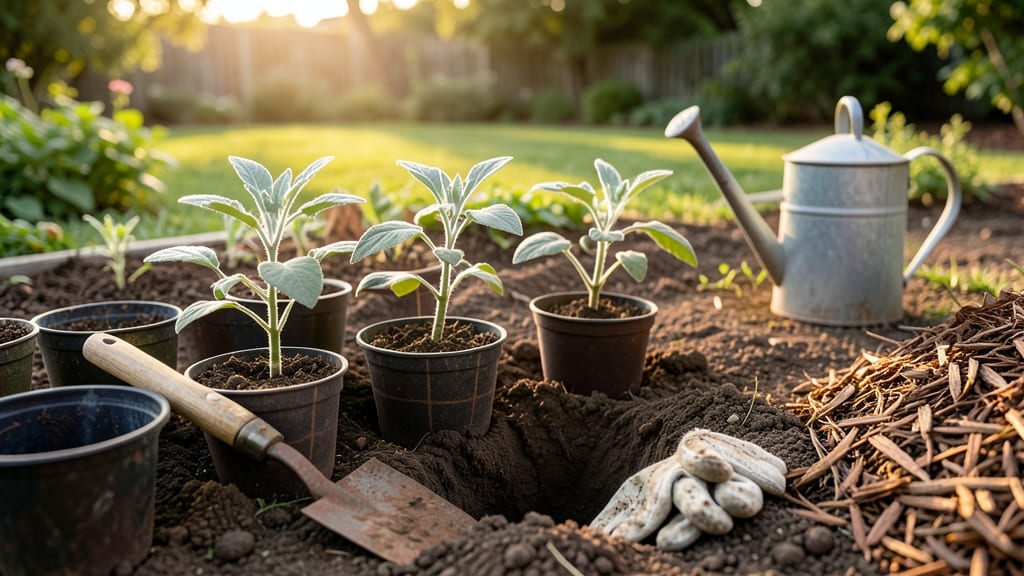
Planting eggplant seedlings deep and warm is the secret to burly plants that produce fast—and I’ve learned the hard way that shallow planting means stunted growth. 🌱 The key?
Burying seedlings halfway up their stems so they develop strong roots before the heat sets in. My first attempt with barely-throated stems resulted in leggy, weak plants that never recovered.
Start with well-draining soil warmed to at least 70°F—eggplants are tropical at heart and won’t tolerate cold. Space seedlings 18-24 inches apart in rows 2-3 feet apart, giving them room to sprawl.
A 5-gallon pot or larger is ideal for container growers, but the real magic happens when you plant deep: press the stem until half its length is underground. This encourages roots to grow from buried nodes, creating a sturdy base.
After planting, water deeply but avoid soggy soil—eggplants hate wet feet. Mulch with straw or grass clippings to keep roots cool and moisture even. Within 2-3 weeks, you’ll see new leaves sprouting from the buried stem, signaling strong root growth.
The payoff? Plants that mature 2-3 weeks faster than shallow-planted seedlings, with thicker stems that support heavy fruit.
Here’s the catch: in cooler zones (below 7), wait until after your last frost and use black plastic mulch to warm the soil. In hot climates, plant in late spring to avoid wilting. And never rush—eggplants reward patience with jewel-toned fruit and minimal pests. Ready to get growing?
📚 In This Guide
- What you need
- Instructions
- Tips and common mistakes
- Wrapping up and next steps
What you need
- ● Eggplant seedlings: 3–6 healthy, sturdy seedlings (choose disease-resistant varieties if possible).
- ● Growing containers or garden bed: Containers: 5–7 gallon pots (at least 12 inches deep) with drainage holes, or
- ● Garden bed: Well-draining soil in a sunny spot (6+ hours of sunlight daily).
- ● Potting mix or garden soil: Lightweight, nutrient-rich mix (avoid heavy clay). For containers, use a blend of 50% potting soil and 50% compost.
- ● Organic fertilizer: Balanced 10-10-10 or compost (mix 1–2 tbsp per gallon of soil).
- ● Watering can or hose with a gentle spray nozzle.
- ○ Pruning shears or scissors: For trimming leggy seedlings (optional but helpful).
- ○ Mulch (optional but recommended): Straw or shredded leaves to retain moisture.
- ● Grow lights: If planting indoors before last frost (12–16 hours of light daily).
- ● Plant supports: Small stakes or cages (eggplants can grow 2–3 feet tall!).
- ● Epsom salt: 1 tsp dissolved in water for magnesium boost (apply every 2 weeks).
- ● Plant tags: To label varieties and planting dates.
- ● Garden gloves: For comfort while handling soil.
Step-by-Step instructions for planting eggplant seedlings
Here's how I ensure eggplant seedlings establish strong roots quickly—key to avoiding transplant shock and bolting.
🌱 Step 1: Prepare the Planting Site for Warmth and Drainage
Eggplants crave warmth, so I always plant in a location that receives full sun (6+ hours daily) and where soil temperatures reach at least 65°F. Use a thermometer to check—eggplants won’t thrive if the ground is cooler. Amend the soil with 2-3 inches of compost mixed into the top 6-8 inches to improve drainage and fertility. Eggplants hate soggy roots, so if your soil is heavy clay, add 1 part perlite to 3 parts soil.
Loosen the soil to a depth of 12 inches with a garden fork or tiller to break up compaction. This encourages roots to grow deep and establish quickly. I like to work in a small mound of soil for each plant—this helps prevent water pooling around the base, which can rot delicate roots. The mound should be about 6 inches wide and 4 inches tall.
🪴 Step 2: Dig Holes Deeper Than the Root Ball
Eggplant seedlings need depth to grow strong roots, so dig holes 1 inch deeper than the root ball and 2 inches wider. This extra space prevents the roots from circling in the pot, which stunts growth. Gently remove the seedling from its container, tapping the sides to encourage the root ball to slide out intact. If roots are circling tightly, use your fingers to loosen them before planting.
Place the seedling in the hole so the top of the root ball sits 1 inch below the soil surface. This ensures the stem remains covered as the plant settles, which encourages stronger root growth. Fill the hole with soil, pressing lightly around the base to remove air pockets but avoiding compaction. Water deeply right after planting to help the soil settle and eliminate gaps.
☀️ Step 3: Water and Mulch for Moisture Retention
After planting, water the base of each seedling with 1 gallon of water to encourage roots to spread into the surrounding soil. Avoid wetting the leaves, as this can lead to fungal diseases like powdery mildew. Let the water soak in completely before adding a 2-3 inch layer of organic mulch, such as straw or shredded leaves. Mulch keeps the soil warm, retains moisture, and suppresses weeds—all critical for fast establishment.
Check the soil moisture daily for the first week by sticking your finger 1 inch deep. If it feels dry, water again. Eggplants are sensitive to moisture fluctuations, so consistency is key. Avoid overhead watering after planting—direct water to the base to keep foliage dry. This reduces stress on the seedlings and helps them focus energy on root growth rather than recovering from wet leaves.
⏰ Step 4: Monitor for Transplant Shock and Adjust Care
Eggplant seedlings may look wilted or stressed for the first 3-5 days after transplanting—that’s normal. They’re adjusting to their new environment. Keep them in a sheltered spot for the first week if your climate has strong winds or sudden temperature drops. Gradually introduce them to full sun over 3-4 days to harden them off.
Watch for signs of recovery: new leaves emerging and a slight stiffening of the stems. If the seedlings don’t perk up within a week, check for root rot by gently tugging on the plant. If it pulls out easily, the roots may have rotted from overwatering. Adjust your watering routine to keep the soil moist but not soggy. Once the seedlings show signs of vigorous growth, you’re on track for a fast, healthy start.
Tips & tricks for planting eggplant seedlings
These essential strategies will help your eggplant seedlings establish strong roots quickly and avoid common pitfalls.
Soil Temperature is Non-Negotiable: That 65°F minimum soil temperature from Step 1 isn't just a suggestion—eggplants are tropical plants that won't thrive below this mark. I've seen seedlings wilt dramatically when planted in cooler soil, even if air temperatures seem warm. Use a soil thermometer to verify before planting, especially in early spring or fall. If your soil is too cool, consider using black plastic mulch a few weeks before planting to warm the ground naturally.
Root Ball Preparation Makes All the Difference: When removing seedlings from containers in Step 2, I've learned the hard way that gently tapping the pot sides helps loosen the root ball without damaging delicate roots. If you notice roots circling tightly around the container, take the extra 30 seconds to tease them apart with your fingers—this prevents "pot-bound" roots that stunt growth. For container-grown seedlings, I even go so far as to trim any roots that are growing directly into the drainage holes.
Watering Technique for Fast Establishment: That initial 1 gallon of water in Step 3 should be applied slowly to prevent runoff. I use a watering wand with a gentle spray setting to encourage water penetration deep into the soil where roots will grow. After watering, I always check for proper saturation by digging down 2-3 inches—if it's dry at this depth, I add another half gallon. This thorough watering helps establish roots quickly in the critical first week.
Mulch Selection Matters: While any organic mulch works for the 2-3 inch layer in Step 3, straw is my top recommendation because it breaks down slowly and improves soil structure as it decomposes. Avoid using fresh grass clippings or wood chips, which can draw nitrogen away from your seedlings. I also like to create a small mulch volcano around each plant stem to protect it from temperature fluctuations and physical damage.
Pro Tips for Plant Eggplant Seedlings
- These essential strategies will help your eggplant seedlings establish strong roots quickly and avoid common pitfalls.
- Soil Temperature is Non-Negotiable: That 65°F minimum soil temperature from Step 1 isn't just a suggestion—eggplants are tropical plants that won't thrive below this mark.
- Root Ball Preparation Makes All the Difference: When removing seedlings from containers in Step 2, I've learned the hard way that gently tapping the pot sides helps loosen the root ball without damaging delicate roots.
Frequently asked questions
Got questions about planting eggplant seedlings? You’re not alone! Here are answers to the most common concerns to help you grow thriving plants with confidence.
How long does it take for eggplant seedlings to establish after transplanting?
Eggplant seedlings typically take 1–2 weeks to fully recover and start growing after transplanting, depending on weather and soil conditions. Watch for new leaves and steady growth—this signals strong root establishment. Avoid disturbing the soil too soon to prevent transplant shock.
When is the best time to plant eggplant seedlings outdoors?
Plant seedlings after the last frost when soil temperatures reach at least 70°F (21°C). Eggplants are heat-lovers and won’t tolerate cold. In warm climates, aim for late spring to early summer (April–June in most U.S. zones). Use row covers if nighttime temps dip below 55°F (13°C).
Can I plant eggplant seedlings too deep?
No—plant them shallowly, just below the first set of true leaves (about 1 inch deep). Burying too deep can suffocate the stem and cause rot. If seedlings are leggy, bury them deeper to encourage root growth, but avoid covering the stem’s base. Use a firm soil mix to support stability.
What should I do if my eggplant seedlings wilt after transplanting?
Wilting is often due to transplant shock or underwatering. Check soil moisture (it should be damp but not soggy) and water deeply at the base. If wilting persists, inspect for pests (aphids, spider mites) or fungal issues (like damping-off). Provide afternoon shade for a few days to reduce stress.
Can I grow eggplants from seedlings in containers instead of a garden?
Eggplants thrive in 5-gallon containers or larger with well-draining soil. Choose a pot with drainage holes and place it in a sunny spot (6+ hours of light daily). Use a balanced fertilizer (like 10-10-10) every 2–3 weeks. Dwarf varieties (e.g., ‘Fairy Tale’) work best in containers.
Wrapping up and next steps
Planting eggplant seedlings is all about patience, warmth, and a little extra care—and you’ve got this! 🌱 By choosing the right time, preparing rich soil, and giving those roots the deep, cozy spot they crave, you’re setting your plants up for a thriving harvest.
Whether you’re a seasoned gardener or a first-timer, these steps make the process simple and rewarding.
Now that you’re ready to plant, take the next step: watch your seedlings grow! Monitor their progress, protect them from pests, and soon, you’ll be enjoying homegrown eggplants in your favorite dishes. Happy gardening! 🌿