
Planting
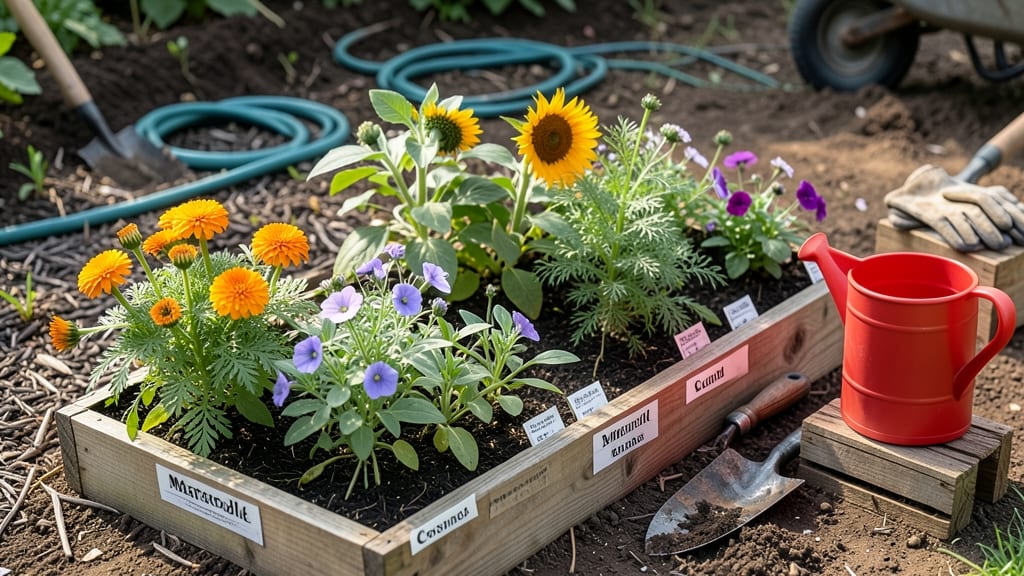
Planting a flower garden for dummies isn’t as scary as it sounds—it’s just about starting small and keeping it simple. ✨ I’ve turned my own backyard into a blooming paradise with just a few easy steps, and you can too, even if your thumb is as brown as mine used to be.
The key is picking the right spot, prepping the soil, and choosing flowers that won’t make you feel like you’re playing horticultural roulette.
First, find a sunny patch—most flowers need at least 6 hours of sunlight—and clear away weeds or grass. Then, loosen the soil with a shovel or fork, mixing in a little compost to give your plants a nutrient boost.
This step alone cuts down on future headaches like wilting or sparse blooms. Next, grab some annuals for instant color or perennials for long-term beauty, and stick to a mix of heights and bloom times for year-round interest.
Once planted, water deeply but not daily—1 inch per week is perfect—and top with mulch to keep weeds at bay and moisture locked in.
You’ll see those first sprouts within 2-4 weeks, and before you know it, your garden will be so lush you’ll forget it was ever a blank canvas. The best part? Even mistakes (like overwatering) are easy to fix with a little patience.
This method works for any yard size, from a tiny balcony to a full backyard, and the same rules apply whether you’re in a hot climate or a cooler one.
Start with just a few plants, follow these steps, and soon you’ll be the neighbor everyone asks for gardening advice—no green thumb required!
📚 In This Guide
- What you need
- Instructions
- Tips and common mistakes
- Wrapping up and next steps
What you need
- ● Seeds or young plants: Choose beginner-friendly flowers like marigolds, sunflowers, or zinnias (packets or small pots). Quantity: 10–20 plants/seeds per 100 sq. ft.
- ● Potting soil or garden soil: 1–2 bags (50 lbs each) of high-quality, well-draining soil (or compost for nutrient boost).
- ● Watering can or hose: A 5-gallon watering can with a rose attachment (or a gentle spray nozzle for a hose).
- ○ Gloves: A pair of durable garden gloves (optional but highly recommended—blisters are the enemy!).
- ● Hand trowel: A 5-inch stainless steel trowel for digging and transplanting.
- ● Garden fork or spade: For breaking up soil (12-inch length).
- ● Pruners: Bypass pruners (sharp and clean cuts = happy plants!).
- ● Measuring tape or ruler: To space plants correctly (check seed packets for guidelines).
- ● Mulch: 2–3 bags of shredded bark or straw to retain moisture and suppress weeds.
- ● Fertilizer: Slow-release granular fertilizer (follow package instructions).
- ● Plant markers: Sticks or labels to track what’s what (cute or functional!).
- ● Kneeling pad: Because your knees will thank you later. 😉
Step-by-Step instructions for planting a beginner-friendly flower garden
Here’s how to create a vibrant flower garden without the guesswork—perfect for first-timers.
🪴 Step 1: Pick the Perfect Spot and Prep the Soil
Choose a location that gets at least 6 hours of sunlight daily—most flowers thrive in full sun. Avoid low spots where water pools after rain. I like to sketch a rough design first, marking where each plant will go based on height and color preferences.
Clear the area of weeds, rocks, or debris, then loosen the soil with a garden fork or tiller to a depth of 8-12 inches. This helps roots spread easily. If your soil feels heavy or compacted, mix in 2-3 inches of compost to improve drainage and fertility. You’ll know it’s ready when it crumbles easily between your fingers.
🌱 Step 2: Choose Easy-to-Grow Flowers and Plant Them Correctly
Start with hardy annuals like marigolds, zinnias, or sunflowers—they bloom fast and forgive mistakes. For perennials, try daylilies, coneflowers, or black-eyed Susans—they come back every year with minimal care. Check the plant tags for spacing needs; most flowers need 12-24 inches between plants to avoid crowding.
Dig holes twice as wide as the root ball but no deeper. Gently remove the plant from its pot, loosen tangled roots, and place it in the hole so the top of the root ball sits level with the soil surface. Fill in with soil, pressing lightly to remove air pockets. Water deeply right after planting to settle the roots—you’ll see soil sink slightly as it absorbs moisture.
💧 Step 3: Water Consistently and Mulch to Retain Moisture
Water deeply 2-3 times per week for the first month, ensuring moisture reaches 6 inches down. Shallow watering encourages weak roots. The best time to water is early morning—this reduces evaporation and fungal diseases. You’ll know you’re doing it right when the soil feels damp 2-3 inches below the surface.
Spread 2-3 inches of mulch (like shredded bark or straw) around plants, keeping it 2 inches away from stems to prevent rot. Mulch locks in moisture, suppresses weeds, and keeps roots cool in summer. Replenish it every few months as it breaks down—this is the secret to low-maintenance gardens.
✂️ Step 4: Maintain with Simple Care and Enjoy the Results
Deadhead spent blooms regularly—pinch off faded flowers with your fingers or snips to encourage more blooms. This keeps plants looking tidy and productive. Fertilize lightly every 4-6 weeks with a balanced 10-10-10 or 20-20-20 formula during the growing season. Too much fertilizer can burn roots, so follow package instructions closely.
Watch for pests like aphids or chewing insects—spray off with a strong stream of water or use neem oil as a natural remedy. Most beginner flowers are tough enough to bounce back with minimal intervention. In late fall, cut back dead foliage and add a fresh layer of compost to prep for next year’s blooms.
Tips & tricks for stress-free flower garden planting
These simple tricks will help you avoid common mistakes and create a thriving garden with minimal effort.
Sunlight Secret: Don't just guess at sunlight—use a simple trick to test your spot. Place a small stick in the ground and mark the shadow every hour. If the shadow disappears after 6 hours, you've got the perfect full-sun location. This visual method saves you from overestimating partial shade spots that might not support your flowers.
Soil Prep Pro Tip: When loosening soil in Step 1, think "fluffy, not powdery." Aim for soil that crumbles like cake when you squeeze it—not like sand or hard clay. If your soil feels too dense, mix in that 2-3 inches of compost until it reaches the right texture. This makes all the difference for root growth, especially for your sunflowers and zinnias.
Planting Precision: In Step 2, use a small stick or pencil as a depth guide when planting. Push it into the hole next to your plant, then adjust the depth so the top of the root ball sits level with the soil line marked by the stick. This simple trick prevents over-planting or under-planting, which can lead to weak stems or poor growth.
Watering Wisdom: For that 6 inches deep watering in Step 3, use a long screwdriver or thin metal rod as a moisture checker. Push it into the soil after watering—if it comes out damp 2-3 inches down, you've hit the mark. This method helps you avoid both underwatering and overwatering, which can drown roots.
Pro Tips for Plant A Flower Garden For Dummies
- These simple tricks will help you avoid common mistakes and create a thriving garden with minimal effort.
- Sunlight Secret: Don't just guess at sunlight—use a simple trick to test your spot.
- Soil Prep Pro Tip: When loosening soil in Step 1, think "fluffy, not powdery."
Frequently asked questions
Got questions?
You’re not alone—planting a flower garden can feel overwhelming at first! Here are answers to the most common concerns to help you grow with confidence.
When is the best time to plant a flower garden?
The ideal time depends on your climate! In most regions, spring (after the last frost) and early fall (6-8 weeks before the first frost) are the sweet spots. Cool weather helps roots establish before summer heat or winter cold. Check your local frost dates for precision.
How long does it take for flowers to grow?
Patience is key! Annuals (like marigolds or zinnias) may bloom in 6-12 weeks, while perennials (like lavender or coneflowers) can take 1-2 years to reach full glory. Some fast growers, like sunflowers, might surprise you with blooms in just 8-10 weeks!
Can I plant a flower garden on a budget?
Start small with seeds instead of seedlings (they’re cheaper and fun to grow). Visit local plant swaps, save seeds from last year’s favorites, or propagate cuttings from friends’ gardens. Even a few well-placed flowers in containers can make a big impact without breaking the bank.
What do I do if bugs or pests show up?
Don’t panic! Most pests are harmless, and a few (like ladybugs) are actually helpful. For mild issues, try neem oil spray or introduce natural predators (like ladybugs for aphids). Remove heavily infested leaves, and keep your garden healthy—strong plants resist pests better!
What if my soil is terrible?
No soil is hopeless! Test your soil’s pH (many garden centers offer free kits) and amend it with compost or organic matter to improve drainage and nutrients. Raised beds are a great alternative if your soil is compacted or clay-heavy—they give you full control over growing conditions.
Wrapping up and next steps
You’ve got this! 🌸 Planting a flower garden is all about taking it one step at a time—choosing the right spot, picking easy-to-grow flowers, and giving them the care they need. Remember, even the greenest thumbs start somewhere, and every little bloom is a victory.
Now that you’re armed with the basics, grab those tools and dig in! Your first step? Mark your planting dates and start prepping your soil—soon, you’ll be surrounded by vibrant colors and happy plants.
Need a little extra inspiration? Check out our beginner-friendly flower care guide to keep your garden thriving all season long!