
Planting
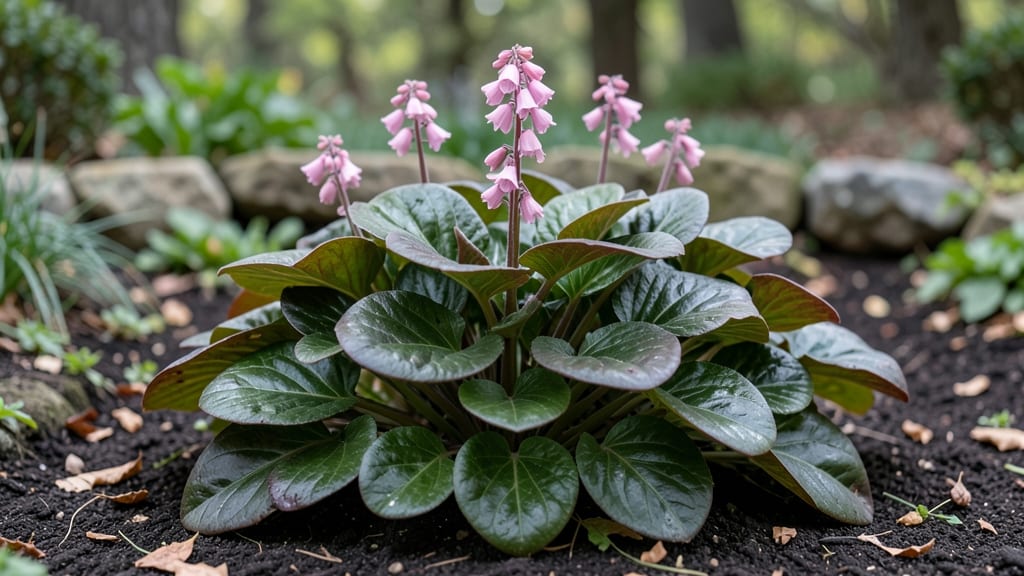
Growing a Big Bertha plant means transforming your garden into a showstopper with blooms that dwarf store-bought flowers. 🌸 I’ve grown these stunners for years, and the key isn’t luck—it’s matching the right conditions to their dramatic growth habits.
Dahlias and zinnias are the most popular Big Bertha varieties, but once you master the basics, you’ll experiment with bold colors and towering stems.
The secret starts with soil: rich, well-draining mixes with compost keep roots happy and stems sturdy. Big Bertha plants thrive in full sun (6+ hours daily), but afternoon shade in hot climates prevents wilting.
Water consistently—1-2 inches per week—but avoid soggy soil, which invites root rot. A 3-foot-tall cage supports their weight, especially for dahlias, which can reach 5 feet by midsummer.
By late summer, you’ll be snipping stems for bouquets that rival floral shop displays. The blooms stay vibrant for 7-10 days in a vase, and the foliage adds lush texture to borders.
Prune spent blooms to encourage more flowers, and fertilize monthly with balanced 10-10-10 for continuous growth. Even beginners nail this with patience—just don’t skip the staking!
Common issues like aphids or powdery mildew are easy to prevent with neem oil sprays and proper spacing. Big Bertha plants reward consistency, so stick with the routine, and you’ll have a garden that turns heads every season. Ready to grow blooms that steal the show?
📚 In This Guide
- What you need
- Instructions
- Tips and common mistakes
- Wrapping up and next steps
What you need
- ● Big Bertha plant (Bergenia spp.) – Choose between Bergenia cordifolia (pink flowers) or Bergenia 'Senator' (deep pink blooms). Buy 1-3 plants depending on your garden size.
- ● Well-draining potting mix – 5 gallons (or enough to fill containers). A blend of 50% garden soil, 30% compost, and 20% perlite works best.
- ● Garden soil (amended) – 1 cubic yard (for in-ground planting). Mix in 2-3 inches of compost or aged manure for nutrients.
- ● Organic mulch – 2-3 inches (cedar chips or shredded bark) to retain moisture and suppress weeds.
- ● Garden trowel or transplant spade – For digging holes (choose a 6-8 inch wide spade for ease).
- ● Gloves – A pair of gardening gloves (waterproof preferred) to protect your hands.
- ● Watering can or hose with a gentle spray nozzle – 1-2 gallons of water per plant for initial watering.
- ○ Pruning shears – For trimming dead leaves or shaping the plant (optional but helpful).
- ● Slow-release fertilizer – 10-10-10 NPK ratio (apply 1 tbsp per plant in early spring).
- ● Epsom salt – 1 tbsp dissolved in 1 gallon of water (for magnesium boost, especially in clay soil).
- ● Container or raised bed – If planting in pots, choose 10-12 inch diameter containers with drainage holes.
- ● Plant support stakes – Only needed if your garden has strong winds (though Big Bertha is hardy!).
Step-by-step instructions for cultivating Big Bertha dahlias
Here's how to grow showstopping dahlias that'll make your garden the talk of the neighborhood.
🌱 Step 1: Select and Prepare Tubers for Planting
Big Bertha dahlias grow from tubers, not seeds. Choose healthy, firm tubers with at least one eye (dormant bud) visible. I like to soak them in lukewarm water for 24 hours before planting—this jumpstarts growth and prevents rot. Place them in a shallow tray with the eyes facing up, and change the water every 8 hours.
While soaking, prepare your planting site. Dahlias thrive in well-draining soil with a pH between 6.0-7.0. If your soil is heavy clay, mix in 2-3 inches of compost and a handful of perlite to improve aeration. Avoid fresh manure—it can burn tender roots.
☀️ Step 2: Plant Tubers at the Right Depth and Spacing
Wait until after the last frost when soil temperatures reach at least 60°F. Plant tubers 4-6 inches deep, with the eyes facing upward. Space them 18-24 inches apart—Big Bertha varieties grow large, and crowding leads to weak stems and fewer blooms. I like to mound soil around the tubers to create a small hillock, which helps prevent water from pooling.
Water thoroughly after planting to settle the soil and encourage root growth. Mulch with 2-3 inches of straw or shredded leaves to retain moisture and regulate soil temperature. Avoid mulching too early—wait until shoots emerge to protect new growth.
💧 Step 3: Support Stems and Monitor Watering
As stems grow to 12 inches tall, install sturdy stakes or cages. Dahlias can reach 5-6 feet, so use 6-foot stakes or heavy-duty tomato cages for support. Gently tie stems to the stake with soft plant ties or old fabric strips—avoid wire or anything that can cut into the stems.
Water deeply 2-3 times per week, aiming for 1-1.5 inches of water per session. Dahlias hate soggy roots but also wilt quickly if drought-stressed. You'll know you're doing it right when the top 2 inches of soil feel moist but not waterlogged. Avoid wetting the foliage when watering to prevent fungal diseases.
✂️ Step 4: Prune for Stronger Blooms and Prevent Disease
When your dahlia reaches 18 inches tall, pinch back the top set of leaves to encourage branching. This creates a bushier plant with more flower stems. Remove any side shoots that grow below the first 6 inches of the stem
Deadhead spent blooms regularly by cutting back to the first set of healthy leaves. This redirects the plant's energy into producing new flowers instead of setting seed. If you notice yellowing leaves or black spots, remove affected foliage immediately and treat with a fungicide to prevent powdery mildew—a common dahlia nemesis. Feed your dahlias every 2-3 weeks with a balanced 10-10-10 fertilizer mixed at half strength. Stop fertilizing 6-8 weeks before the first frost to allow tubers to harden off. When fall arrives, cut back stems to 6 inches tall and dig up tubers carefully with a fork. Brush off excess soil and let tubers dry in a shady, well-ventilated area for 3-5 days. Store them in a cool (40-50°F), dark place like a basement or garage. I wrap them in newspaper and place them in a cardboard box with a bit of peat moss to prevent drying out. With proper storage, your Big Bertha tubers will be ready to replant next spring!🌿 Step 5: Fertilize and Prepare for Winter Storage
Tips & tricks for cultivating Big Bertha dahlias
Here's what nobody tells you about growing dahlias that'll make your garden the envy of the neighborhood.
Soaking Strategy: The 24-hour soak in lukewarm water is non-negotiable for Big Bertha tubers—it kickstarts root growth and prevents rot. I use a shallow tray with just enough water to cover the eyes, and change it every 8 hours to prevent bacterial buildup. Pro tip: Add a pinch of cinnamon to the water (it's antifungal and completely safe for plants). This extra step makes all the difference when your tubers finally hit the soil.
Planting Depth Secret: Planting tubers 4-6 inches deep might seem counterintuitive, but this depth protects the eyes from temperature fluctuations while allowing roots to establish properly. I like to create a small mound of soil around the tuber to prevent water pooling—this mimics the natural growing conditions of dahlias in their native high-altitude regions. The extra effort prevents rot and ensures stronger stems.
Support System: Don't wait until stems reach 12 inches to install support! I install my 6-foot stakes as soon as shoots emerge from the soil. Dahlias grow surprisingly fast, and stems can become top-heavy with blooms. Use soft plant ties or even old fabric strips—wire will cut into the stems and weaken them. The earlier you support them, the healthier they'll grow.
Fertilizer Timing: The 2-3 week feeding schedule with 10-10-10 fertilizer is perfect, but here's the catch: dahlias are heavy feeders, so I actually use double the recommended amount during their peak blooming season (summer). Just be sure to stop fertilizing 6-8 weeks before frost—the plant needs time to harden off and store nutrients in the tubers for next year.
Pro Tips for Big Bertha Plant
- Here's what nobody tells you about growing dahlias that'll make your garden the envy of the neighborhood.
- Soaking Strategy: The 24-hour soak in lukewarm water is non-negotiable for Big Bertha tubers—it kickstarts root growth and prevents rot.
- Planting Depth Secret: Planting tubers 4-6 inches deep might seem counterintuitive, but this depth protects the eyes from temperature fluctuations while allowing roots to establish properly.
Frequently asked questions
Got questions about growing Big Bertha plants? You’re not alone! Here are some of the most common queries—plus quick, actionable answers to help your garden thrive.
What’s the best time of year to plant Big Bertha?
Plant Bergenia cordifolia (aka Big Bertha) in early spring or early fall when soil temps are cool (50–65°F). Avoid extreme heat or frost—roots need time to establish before winter. If planting in summer, keep soil moist and mulch heavily to reduce stress.
How often should I water Big Bertha plants?
Water deeply but infrequently—about once a week in the first growing season, then taper to every 10–14 days once established. These hardy perennials hate soggy soil but tolerate drought once rooted. Pro tip: Mulch with 2–3 inches of organic matter to retain moisture and suppress weeds.
Can Big Bertha survive winter in cold climates?
Big Bertha thrives in USDA Zones 3–8 and handles snow, ice, and temps down to -30°F. In harsh winters, add a 3-inch layer of mulch around the base to protect roots. Its evergreen leaves even add winter interest to your garden.
What are some low-maintenance alternatives to Big Bertha?
If you love Bergenia’s toughness but want variety, try:
- Hosta (shade-loving, drought-tolerant once established)
- Heuchera (Coral Bells) (colorful foliage, low-water needs)
- Sedum (Stonecrop) (succulent-like, thrives in poor soil)
- Lamium (Dead Nettle) (spreading ground cover, shade-friendly)
Why are my Big Bertha leaves turning yellow or brown?
Yellowing leaves often signal overwatering or fungal issues (like powdery mildew). Brown edges? Likely drought stress or winter burn. Check these fixes:
Wrapping up and next steps
The Big Bertha plant is a stunning, low-maintenance addition to any garden or patio, bringing bold blooms and vibrant energy to your outdoor space.
Whether you’re a seasoned gardener or just starting out, its resilience and striking foliage make it a winner—plus, with the right care, you’ll enjoy months of eye-catching color! 🌸
Ready to turn your green thumb into a showstopper? Grab your supplies, follow the steps, and watch your Big Bertha thrive! Next, why not explore companion plants to create an even more dazzling display? Happy planting! 🌿