
Planting
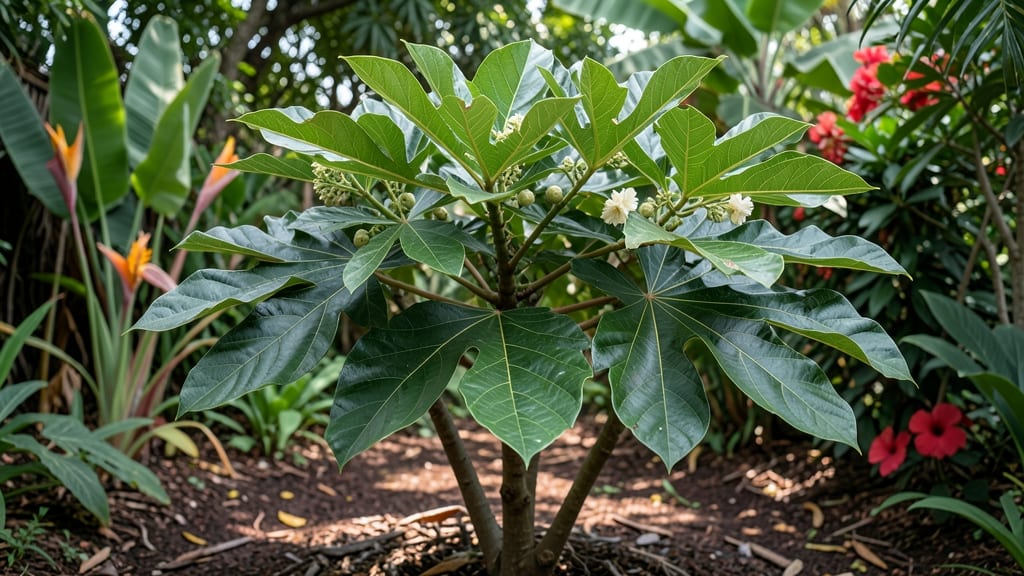
Growing the mad hatter plant—those vibrant purple blooms that look like they belong in Alice’s garden—starts with the right conditions. ✨ I’ve nurtured these striking echinacea for years, and the secret lies in mimicking their wild prairie roots: full sun, well-draining soil, and patience.
The first year focuses on strong roots; the second rewards you with bold, cone-shaped flowers that hummingbirds adore. This plant thrives in USDA zones 3-9, making it adaptable for most gardens. Start seeds indoors 8-10 weeks before last frost or plant nursery starts in spring.
The key? Space them 18-24 inches apart—they’ll spread gracefully over time. Water deeply once a week, letting the soil dry slightly between sessions to prevent root rot. By midsummer, you’ll have 3-4 foot tall stalks crowned with 3-inch blooms that last from June to frost.
Deadhead spent flowers to encourage more blooms, and leave the seed heads for winter interest. The roots even have medicinal properties—steep them for immune support! Perfect for borders, cottage gardens, or even containers. Here’s how to keep them thriving year after year.
📚 In This Guide
- What you need
- Instructions
- Tips and common mistakes
- Wrapping up and next steps
What you need
- ● Mad Hatter Plant Seeds or Cuttings: 3–5 seeds or 2–3 healthy cuttings (4–6 inches long) from an established plant.
- ● Well-Draining Potting Mix: 2–3 gallons of a blend of cactus/succulent mix (60%) and perlite or coarse sand (40%) to prevent root rot.
- ● Containers: For seeds: 3–4 small pots (4–6 inches in diameter) with drainage holes.
- ● For cuttings: 2–3 medium pots (8–10 inches in diameter) or a raised garden bed.
- ● Drainage Tray or Saucer: 1–2 trays to catch excess water.
- ● Watering Can or Spray Bottle: With a fine mist setting for seedlings.
- ● Pruning Shears: Sharp, sterilized shears for trimming cuttings or deadheading.
- ● Gloves: Gardening gloves to protect your hands from prickly stems.
- ● Fertilizer: Balanced liquid fertilizer (10-10-10) or slow-release granules for established plants.
- ○ Grow Lights (Optional): LED grow lights for seedlings if natural light is limited (12–16 hours/day).
- ○ Mulch (Optional): 1–2 inches of gravel or organic mulch to retain moisture and deter weeds.
- ● A sunny spot: At least 6–8 hours of direct sunlight daily (Mad Hatter Plants are sun-worshippers!).
- ● Warmth: Ideal temperatures between 70–90°F (21–32°C). Avoid frost—this plant is not cold-hardy!
- ● Patience: Seeds may take 10–21 days to germinate, while cuttings root in 2–4 weeks.
Step-by-step guide to growing Mad Hatter plant
Here's how to cultivate this whimsical purple bloomer with vibrant, Alice-in-Wonderland charm.
🌱 Step 1: Select the Right Container and Soil Mix
The Mad Hatter Plant (Alicia affinis) thrives in well-draining soil that mimics its epiphytic origins. Use a 6-inch diameter pot with drainage holes—terracotta works best because it breathes. I blend 60% peat moss, 20% perlite, and 20% orchid bark for aeration. This mix prevents root rot while retaining enough moisture for its tropical roots.
Fill the pot to 1 inch below the rim and tap gently to settle the soil. The surface should feel slightly firm but not compacted. Avoid garden soil—it's too dense and can suffocate the delicate roots. If your mix feels heavy, add another 10% perlite to improve drainage.
☀️ Step 2: Position for Bright, Indirect Light
Mad Hatter Plants love bright, filtered light—think morning sun with afternoon shade. A north or east-facing window is ideal, or place it 3-4 feet from a south-facing window. Direct afternoon sun scorches the leaves, turning them yellow or brown. You'll know the light is right when the foliage stays deep purple with no pale patches.
If your home lacks natural light, supplement with a grow light for 12-14 hours daily. Keep the light 12-18 inches away to avoid leaf burn. Watch for leggy growth—a sign the plant is stretching toward light. Rotate the pot quarter-turn weekly to encourage even growth.
💧 Step 3: Water with Precision
Water when the top inch of soil feels dry, but never let the roots sit in soggy soil. I use the "soak-and-drain" method: water thoroughly until it drains from the bottom, then empty the saucer after 10 minutes. Overwatering causes root rot, while underwatering makes the leaves crispy. The plant stores water in its stems, so it’s drought-tolerant once established—but don’t push it.
In winter, reduce watering to every 2-3 weeks unless your home is very dry. The soil should dry out more slowly in cooler months. Mist the leaves occasionally to recreate humidity, but avoid wetting the blooms—this can cause spotting. You’ll see the plant perk up within hours of proper watering.
✂️ Step 4: Prune and Encourage Bushier Growth
Pinch back leggy stems to 2-3 inches above a leaf node to encourage branching. This is where the magic happens—new shoots will sprout from those nodes, creating a fuller, more whimsical plant. Do this in spring or early summer when growth is active. Avoid pruning in fall or winter, as the plant needs energy to recover.
Deadhead spent blooms by snipping the stem ¼ inch above a leaf node. This redirects the plant’s energy into new flowers instead of seed production. Use clean, sharp scissors to avoid crushing stems. If your plant gets too tall, cut it back by ⅓ in early spring to rejuvenate growth.
🪴 Step 5: Fertilize for Vibrant Blooms
Feed every 4-6 weeks in spring and summer with a balanced liquid fertilizer (10-10-10), diluted to half strength. This encourages lush foliage and dramatic purple blooms. In fall and winter, cut back to once every 8 weeks—the plant rests during cooler months. Flush the soil with water every 3 months to prevent salt buildup from fertilizers.
You’ll notice the difference after just one feeding: leaves deepen in color, and flower spikes become more abundant. If you see yellowing leaves, it’s a sign of over-fertilizing. Reduce feeding frequency and water more thoroughly to leach excess salts from the soil.
Tips & tricks for perfect Mad Hatter plant cultivation
Here's what nobody tells you about keeping this whimsical plant thriving beyond the basics.
Soil Mix Secret: The 60-20-20 soil blend is your foundation, but here's the pro move: sterilize your peat moss and perlite first by baking them at 200°F for 30 minutes. This eliminates any hidden pests or pathogens that could stress your delicate Mad Hatter Plant. I also add a handful of worm castings to the mix—it boosts microbial activity without overwhelming the plant's sensitive roots. The key is maintaining that perfect aeration while keeping the mix slightly acidic (pH 5.5-6.5).
Light Positioning: That 3-4 feet distance from south-facing windows might feel arbitrary, but there's method behind it. Place a ruler at that distance and mark where the direct sunlight hits at noon. You'll notice the light creates a subtle gradient—this helps prevent scorching while still giving your plant enough intensity. For grow lights, I've found LED panels with a 6500K color temperature work best, positioned 14-16 inches away for those critical 12-14 hours daily. The quarter-turn rotation isn't just about even growth—it helps prevent the plant from developing a "light side" where it leans toward the brighter direction.
Watering Wisdom: The 10-minute drain time is non-negotiable, but here's what I do differently: I use a moisture meter to check soil moisture at 1 inch depth before watering. For the first 3 months after repotting, I reduce watering by 25% to let the roots establish properly. In winter, I actually check the soil moisture at 2 inches down—this accounts for the slower evaporation rate. The secret to avoiding crispy leaves? Water in the morning so any excess moisture evaporates before evening, reducing fungal risks.
Pruning Pro Tips: When pinching back those leggy stems, look for the third leaf node from the top—this is where you'll get the most robust branching. For deadheading, I use small floral scissors and make clean cuts at that ¼ inch mark, then immediately wipe them with rubbing alcohol to prevent cross-contamination. The early spring ⅓ cutback is your chance to rejuvenate, but only do this if your plant has grown at least 6 inches since last year. I've found that plants pruned this way often produce their most vibrant blooms the following season.
Pro Tips for Mad Hatter Plant
- Here's what nobody tells you about keeping this whimsical plant thriving beyond the basics.
- Soil Mix Secret: The 60-20-20 soil blend is your foundation, but here's the pro move: sterilize your peat moss and perlite first by baking them at 200°F for 30 minutes.
- Light Positioning: That 3-4 feet distance from south-facing windows might feel arbitrary, but there's method behind it.
Frequently asked questions
Got questions about growing the Mad Hatter Plant (Lobelia erinus)?
You’re not alone—this charming, trailing beauty is full of surprises! Here are the most common queries to help you cultivate your own whimsical purple blooms with confidence.
How often should I water my Mad Hatter Plant?
The Mad Hatter Plant thrives on consistent moisture but hates soggy roots. Water when the top inch of soil feels dry—typically every 2-3 days in warm weather and every 4-5 days in cooler months. Use room-temperature water and avoid wetting the foliage to prevent fungal issues. Pro tip: Group pots together to create a humid microclimate!
When is the best time to plant or transplant my Mad Hatter Plant?
For outdoor planting, wait until after the last frost (spring) when soil temps are above 50°F (10°C). If transplanting, do it in the morning to reduce stress, and keep the plant in partial shade for a week to help it acclimate. Indoor growers: You can plant year-round, but avoid drafty windowsills!
Why aren’t my Mad Hatter Plant’s flowers opening?
Blooms may stay closed due to low light, overcrowding, or nutrient deficiencies. Ensure it gets bright, indirect light (east or north-facing windows are ideal). Deadhead spent blooms regularly, and fertilize lightly with a balanced liquid fertilizer (10-10-10) every 4-6 weeks. Bonus: A cool night can trigger more vibrant blooms!
Can I grow Mad Hatter Plant indoors year-round?
This plant is a fantastic indoor trailing option for hanging baskets or shelves. Just mimic its natural habitat: bright, indirect light, high humidity (mist occasionally or use a pebble tray), and consistent moisture. Rotate the pot weekly for even growth. Warning: Avoid direct sunlight—it can scorch delicate leaves!
What’s a good alternative if I can’t find Mad Hatter Plant?
If Lobelia erinus is out of stock, try these equally charming trailing plants:
- Bacopa (Sutera cordata) – Tiny white/purple blooms, drought-tolerant.
- Calibrachoa – "Million bells" with vibrant, continuous flowers.
- Petunia (trailing varieties) – Bold colors and heat-loving.
- Ivy Geranium (Pelargonium peltatum) – Hardy and fragrant.
Wrapping up and next steps
The Mad Hatter Plant (or Leonotis leonurus) brings a burst of whimsical charm to any garden, with its striking purple blooms and easy-care nature.
Whether you’re a seasoned gardener or a beginner, this plant proves that growing something magical doesn’t require a lot of fuss—just a little patience and the right conditions.
Ready to bring a touch of Alice’s garden to life? Start small—plant a single Mad Hatter in a pot or tuck it into your landscape, and watch it thrive! 🌿✨ Now’s the perfect time to experiment, learn, and enjoy the process.