
Planting
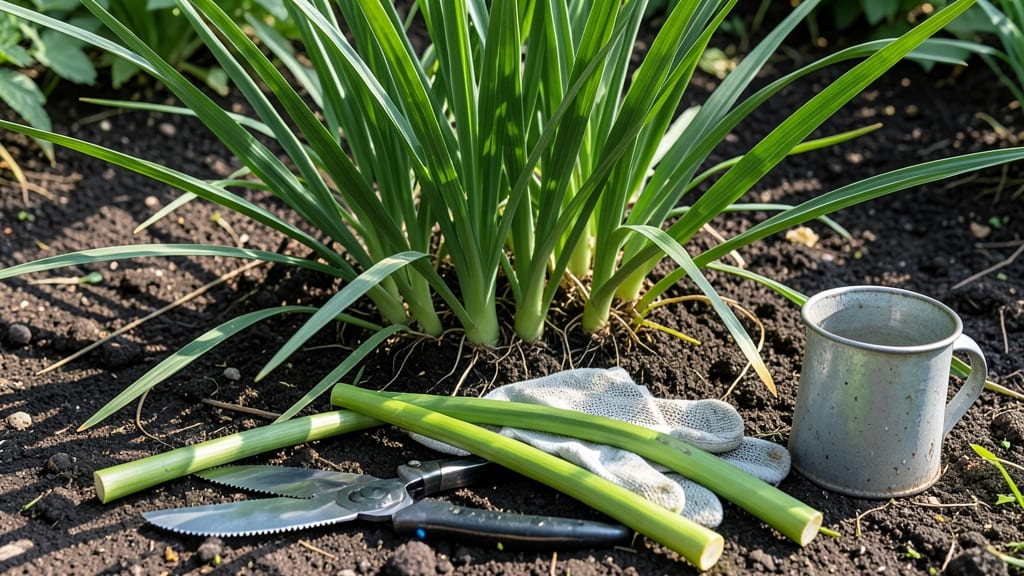
Cutting lemongrass the right way means fresh, fragrant stems every time—without killing your plant. ✂️ I’ve harvested dozens of stalks from my garden, and the secret isn’t just timing (though that matters) but how you make the cut to encourage regrowth.
Skip the guesswork and learn the exact technique that keeps your lemongrass bushy and productive for years.
The best time to harvest is before flowering, when the stalks are thick and full of citrusy oils. You’ll need sharp pruning shears or a clean knife—dull tools crush the stems, slowing regrowth.
Always cut about 6 inches from the base, leaving enough to support new shoots. This single step makes all the difference between a struggling plant and one that keeps giving you flavor-packed stems.
After cutting, you’ll notice new shoots emerging within 2-3 weeks if you’ve done it right. The plant stays lush, and the flavor stays bright because you’re harvesting at peak potency.
Store cut stalks in the fridge for up to 2 weeks or freeze them whole for later use—no wasted stems, just endless harvests.
Works for potted plants or in-ground beds, and the same method applies whether you’re growing one plant or a whole patch. Here’s how to do it without a single mistake—promise.
📚 In This Guide
- What you need
- Instructions
- Tips and common mistakes
- Wrapping up and next steps
What you need
- ● Sharp pruning shears or kitchen scissors – A clean, sharp pair (preferably stainless steel) ensures a precise cut without crushing the stems. 1 pair is all you need!
- ○ Gloves (optional but recommended) – Protects your hands from lemongrass sap (which can irritate skin) and sharp edges. Choose nitrile or latex-free gloves for sensitivity.
- ● Measuring tape or ruler – Helps you cut stems to uniform lengths (e.g., 6–8 inches for cooking). A 6-inch tape measure works perfectly.
- ● Plastic bag or container – A resealable bag or stainless steel container keeps cut stems fresh until use.
- ○ Water spray bottle (optional) – A light mist helps preserve freshness if you’re storing stems for later.
- ● Mature lemongrass plants – Aim for stems that are at least 12–18 inches tall with a diameter of 0.5 inches or thicker.
- ● Sunny morning timing – Harvest when dew is still on the leaves (early morning) for the most potent flavor.
- ● Clean workspace – A flat, stable surface (like a cutting board or table) prevents stems from rolling away.
Step-by-step guide to harvesting lemongrass for maximum flavor
Here’s how to cut lemongrass like a pro—keeping your plant healthy and your flavor fresh.
🌿 Step 1: Identify the Right Stems to Harvest
Look for stalks that are at least 12-18 inches tall with a thick, plump base—these are mature enough for harvesting. The best stems have tight, pale green leaves near the top and a smooth, white base. Avoid cutting the very center stalks if your plant is young; these are the structural backbone and regrow slower.
Run your fingers along the stalk—if it feels woody or hollow, it’s past its prime. You’ll want the younger, more tender stalks for the best flavor. Harvesting these encourages the plant to produce more fresh growth.
✂️ Step 2: Use the Correct Cutting Technique
Grab a sharp pair of pruning shears or a clean knife and make a clean cut about 3-4 inches above the base of the stalk. Cutting too low can damage the plant’s regrowth point. Angle the cut slightly to prevent water from pooling—this keeps the base dry and reduces rot risk.
I always cut just outside the leaf cluster at the base, leaving a small stub. This ensures the plant can regenerate from that node. If you’re harvesting multiple stalks, space out your cuts to avoid overburdening one section of the plant.
💧 Step 3: Post-Harvest Care for Your Lemongrass Plant
After harvesting, give your lemongrass plant a light watering to help it recover. Focus on the base of the plant, avoiding the leaves to prevent fungal issues. You’ll notice new shoots emerging from the base within 2-3 weeks if conditions are right.
If your plant looks stressed after cutting, trim any yellow or damaged leaves immediately. This redirects energy to the healthy growth. Avoid fertilizing right after harvesting—wait until new shoots are 3-4 inches tall before adding nutrients.
☀️ Step 4: Store or Use Your Harvest Immediately
For fresh use, strip the leaves from the stalk and store them in a sealed container in the fridge for up to 2 weeks. If you’re not using the entire stalk right away, wrap the base in a damp paper towel and store it in a plastic bag—this keeps it fresh longer.
For long-term storage, freeze the stalks whole or in 2-inch sections. Thaw as needed and use the outer layers first—they’re the most flavorful. I like to freeze mine in ice cube trays with water to make it easy to grab just what I need for recipes.
⏰ Step 5: Maintain a Sustainable Harvesting Schedule
Never take more than one-third of the plant at a time. Lemongrass is resilient, but over-harvesting weakens it. Space out harvests by 4-6 weeks to allow the plant to recover and produce new stalks.
Watch for signs of stress like yellowing leaves or stunted growth—these mean you’re harvesting too aggressively. A healthy lemongrass plant will keep producing new stalks year-round in warm climates or spring through fall in cooler areas.
Tips & tricks for perfect lemongrass harvesting
Confession: I skipped the post-harvest care step for years and wondered why my lemongrass plant never bounced back. Here's what I learned the hard way—
Selection Tip: The 12-18 inch height guideline is non-negotiable for flavor. Younger stalks (under 12 inches) have less developed oils, while older ones (over 18 inches) become fibrous. I test by gently squeezing the stalk—if it springs back immediately, it's perfect. If it stays bent, it's past its prime and will taste bitter. For maximum yield, harvest every other stalk first to let the plant recover.
Cutting Technique: That 3-4 inch cut above the base isn't just arbitrary—it's about preserving the plant's growth nodes. I've seen people cut too low and end up with a plant that takes months to recover. Pro tip: Use a ruler to measure from the base when you're first learning. And always angle your cut—water pooling at the base is what causes those annoying fungal issues that can kill your plant.
Storage Wisdom: The 2-week fridge life is real, but here's the secret: wrap the base in a damp paper towel before sealing in a bag. This mimics the plant's natural moisture environment and keeps the flavor vibrant. For freezing, I've found that 2-inch sections work best—any longer and the outer layers freeze rock-hard while the center stays soft. Always use the outer layers first as they contain the most concentrated oils.
Regrowth Strategy: That 2-3 week recovery time is when magic happens. During this period, the plant redirects energy to the base where new shoots emerge. I've seen people get impatient and harvest again too soon—don't be that person. Watch for the first signs of new growth (tiny green shoots at the base) before considering another harvest. And remember: those 3-4 inch new shoots need time to mature before you fertilize again.
Pro Tips for Cut Lemongrass Plant
- Confession: I skipped the post-harvest care step for years and wondered why my lemongrass plant never bounced back.
- Selection Tip: The 12-18 inch height guideline is non-negotiable for flavor.
- Cutting Technique: That 3-4 inch cut above the base isn't just arbitrary—it's about preserving the plant's growth nodes.
Frequently asked questions
Got questions about harvesting lemongrass like a pro?
Here are the most common concerns—plus quick, actionable answers to keep your plant thriving and your kitchen stocked with fresh flavor.
When is the best time to cut lemongrass?
The ideal time to harvest is when the stalks reach 12–18 inches tall and are firm but flexible (not woody). Early morning cuts yield the freshest flavor, as the oils are most concentrated. Avoid cutting during frost or extreme heat—wait for mild, dry weather for cleaner cuts and faster regrowth.
How much of the plant should I cut at once?
Never remove more than 1/3 of the plant’s stalks in a single harvest. Focus on the outer stalks first—they’re mature and won’t stunt growth. Cutting too aggressively stresses the plant and can lead to yellowing or slow regrowth. Think of it like trimming your hair: small, strategic cuts keep it healthy!
Can I regrow lemongrass after cutting?
Yes! Lemongrass is a perennial that regrows from the base if cut properly. After harvesting, trim any yellow or dry leaves at the base and water deeply. New shoots should emerge within 2–4 weeks. If your plant isn’t regrowing, check for pests, overwatering, or poor soil.
What if my lemongrass turns yellow after cutting?
Yellowing can happen if you over-harvest or the plant is stressed. To fix it:
- Reduce cuts to 1 stalk every 2–3 weeks.
- Ensure the plant gets 6+ hours of sunlight and well-draining soil.
- Fertilize lightly with a balanced organic fertilizer (10-10-10) every 6–8 weeks.
Is it okay to use store-bought lemongrass instead of fresh?
Store-bought lemongrass is convenient, but fresh is far superior for flavor and nutrition. Dried or frozen lemongrass loses its aromatic oils and citrusy punch. If you must substitute, double the amount (e.g., 2 stalks fresh = 1 bunch dried) and add a splash of lemon juice to mimic freshness in dishes.
Troubleshooting: My lemongrass isn’t growing back—what’s wrong?
Check these common issues:
Problem
Solution
Woody stalks
Harvest more frequently (every 6–8 weeks) to encourage tender growth.
Pests (aphids, spider mites)
Spray with neem oil or insecticidal soap; remove affected leaves.
Root rot (mushy stems)
Repot in fresh, well-draining soil and reduce watering.
Leggy or weak growth
Move to a sunnier spot (lemongrass needs full sun).
Wrapping up and next steps
Cutting your lemongrass plant doesn’t have to be intimidating—with the right tools and techniques, you’ll harvest fresh, flavorful stems like a pro! 🌿 Remember to use sharp pruners, cut just above a node, and leave the lower 6-8 inches to keep your plant thriving.
Whether you’re prepping for cooking or preserving, this simple method ensures you get the brightest, most aromatic lemongrass every time.
Now that you’re equipped with the know-how, roll up your sleeves and start harvesting! Try experimenting with your favorite recipes—think curries, teas, or even homemade cleaning solutions. Ready to grow more? Explore lemongrass care tips to keep your plant lush and productive year-round!