
Planting
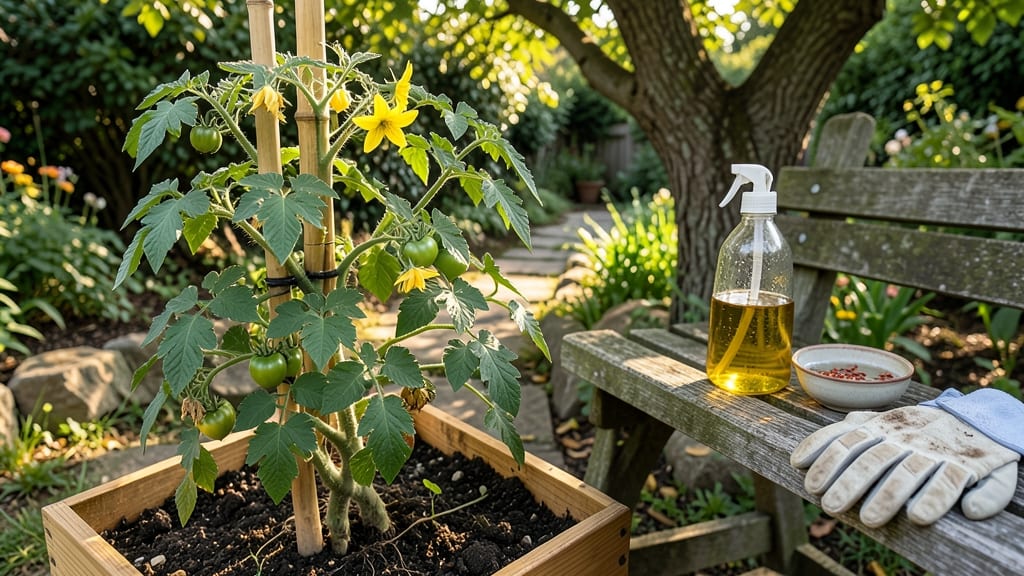
A homemade tomato plant spray can turn your struggling plants into thriving powerhouses. 🌱 Last summer, my tomatoes were covered in aphids until I discovered this simple mix that works better than store-bought sprays—and costs pennies to make.
The secret lies in natural ingredients that pests hate but your plants love.
You only need three basic supplies: neem oil (the star ingredient), a mild soap to help it stick, and water. Mix them in a spray bottle, and you’ve got a multi-purpose shield against aphids, powdery mildew, and even spider mites.
No harsh chemicals, just plant-safe protection that won’t harm beneficial insects either.
Within 24 hours of spraying, you’ll see pests retreat, and your tomato leaves will start looking vibrant green again. The spray works best in the early morning or evening when the sun isn’t intense, and you’ll need to reapply every 7-10 days or after rain. It’s that simple.
Perfect for gardeners who want chemical-free results without the guesswork. Once you try it, you’ll wonder why you ever bought expensive sprays. Let’s get your tomatoes back to their best!
📚 In This Guide
- What you need
- Instructions
- Tips and common mistakes
- Wrapping up and next steps
What you need
- ● 1 gallon of water (distilled or boiled & cooled for best results)
- ● 1 tablespoon of mild liquid soap (like Castile soap—avoid detergents with harsh chemicals)
- ● 1 tablespoon of vegetable oil (or neem oil for extra pest-fighting power)
- ● 1/2 cup of apple cider vinegar (or crushed garlic/pepper for a spicy kick)
- ○ 1/2 teaspoon of cayenne pepper (optional) (deters pests like aphids and spider mites)
- ● A spray bottle (16–32 oz, with a fine mist nozzle)
- ● A large mixing bowl or bucket (for combining ingredients)
- ● A wooden spoon or whisk (to stir thoroughly)
- ○ Protective gloves (optional, if handling cayenne or garlic)
- ● Label & marker (to tag your spray bottle for future use)
- ● Wait until early morning or late evening to apply (avoid spraying in direct sunlight to prevent leaf burn).
- ● Test the spray on a small leaf first to check for sensitivity.
- ● Use within 24 hours for maximum effectiveness (store in a cool, dark place if needed).
Step-by-step instructions for homemade tomato plant spray
Here's the foolproof method I've used for years to keep tomato plants thriving without harsh chemicals.
🌿 Step 1: Gather and Prepare the Natural Ingredients
Start with 1 quart of water in a clean spray bottle or large container. Add 1 tablespoon of vegetable oil—this helps the spray cling to leaves and smother soft-bodied pests like aphids. For extra protection, mix in 1 teaspoon of mild liquid soap (like Castile soap), which breaks down the pests' protective coatings. I like to use 1 tablespoon of neem oil as well; it's a powerhouse for deterring insects without harming beneficial predators.
Stir everything together until the oil and soap fully emulsify. You'll see a cloudy mixture—this is normal and indicates the ingredients are properly blended. If you notice separation later, just give it a quick shake before use. This spray works best when fresh, so prepare it the same day you plan to apply it.
💧 Step 2: Test the Spray on a Small Leaf Area
Before spraying your entire tomato plant, test the mixture on one small leaf on the underside. Wait 24 hours to ensure no leaf burn or discoloration occurs. Tomato plants vary in sensitivity, and some may react poorly to certain soap or oil concentrations. If you see any yellowing or wilting after 24 hours, dilute the mixture with an additional ½ cup of water and retest.
This step is crucial—many gardeners skip it and end up damaging their plants. I always test on a leaf near the center of the plant, as these leaves are less critical to the plant's overall health. If the test leaf looks fine after a day, your spray is ready for full application.
☀️ Step 3: Apply the Spray Early in the Morning or Late Afternoon
Spray the mixture evenly on both the upper and lower surfaces of all leaves, focusing especially on the undersides where pests like to hide. Use a fine mist setting on your sprayer to ensure thorough coverage without oversaturating the foliage. Avoid spraying when the sun is at its peak—early morning or late afternoon applications prevent the oil from causing leaf burn under direct sunlight.
Pay close attention to the new growth and flower clusters, as these areas are particularly vulnerable to pests. A light, even coat is all you need; you'll know it's working when you see pests like aphids or spider mites dropping off the leaves within 30-60 minutes. Reapply every 7-10 days or after heavy rain to maintain protection.
✂️ Step 4: Monitor and Reapply as Needed
Check your tomato plants daily for the first week after application to ensure the spray is effective. Look for signs of pests like tiny webs (spider mites), sticky residue (aphids), or chewed leaves (caterpillars). If you notice new infestations, reapply the spray immediately—consistency is key to preventing outbreaks.
This spray is most effective as a preventative measure, so I recommend applying it once every 2 weeks throughout the growing season, even when pests aren't visible. The neem oil also acts as a mild fungicide, helping to prevent early blight and other common tomato diseases. Store any leftover spray in a cool, dark place for up to 5 days, but always shake well before use.
🌱 Step 5: Rotate with Companion Planting for Extra Protection
For the best results, combine this spray with companion planting to create a multi-layered defense. Plant basil, marigolds, or garlic near your tomatoes—their strong scents naturally repel pests and enhance the spray's effectiveness. I also interplant nasturtiums, which act as a trap crop for aphids, drawing them away from your tomatoes.
This integrated approach reduces your reliance on the spray while keeping your plants healthy. You'll notice fewer pests over time, and your tomatoes will grow stronger with less stress. The key is consistency—stick to your spraying schedule, and your plants will reward you with lush foliage and bumper crops all season long.
Tips & tricks for perfect homemade tomato plant spray
These game-changing tips will help you maximize effectiveness while keeping your tomato plants thriving—without any of the common pitfalls!
Emulsification is Key: When blending your 1 quart of water with 1 tablespoon vegetable oil and 1 teaspoon mild liquid soap, use a whisk or small hand mixer instead of stirring by hand. This creates a more stable emulsion that won't separate as quickly. The cloudy appearance during blending is normal—it indicates the oil droplets are properly suspended. If you notice separation later, simply shake vigorously before each use. This ensures even coverage and maximum pest control on those tomato leaves.
Leaf Selection Matters: For your 24-hour test spray, choose a leaf that's neither the oldest nor the newest—middle-aged leaves are most representative of your plant's overall health. Avoid leaves with existing damage or disease, as these may react differently. The underside is always the best test site because that's where most pests hide and where your spray will need to work hardest. If your test leaf shows no adverse reactions after 24 hours, you're golden to proceed with full application!
Application Technique: When applying in Step 3, hold your sprayer about 6-8 inches away from the leaves and use a gentle misting motion. Focus on the undersides where pests congregate, but don't forget the upper surfaces. A light, even coat is all you need—the goal is to create a protective film, not drown the foliage. I've found that applying in early morning gives the spray time to dry before the heat of the day, preventing potential leaf burn from the oil components.
Neem Oil Boost: The 1 tablespoon of neem oil in this recipe isn't just an optional add-in—it's a powerhouse component that works in multiple ways. Beyond its insect-repelling properties, neem oil also acts as a natural fungicide, helping prevent early blight and other common tomato diseases. For even stronger protection, you can increase the neem oil to 2 tablespoons (clearly marked optional), but stick to the original amount if you're concerned about potential leaf sensitivity in your particular tomato variety.
Pro Tips for Homemade Tomato Plant Spray
- These game-changing tips will help you maximize effectiveness while keeping your tomato plants thriving—without any of the common pitfalls!
- Emulsification is Key: When blending your 1 quart of water with 1 tablespoon vegetable oil and 1 teaspoon mild liquid soap, use a whisk or small hand mixer instead of stirring by hand.
- Leaf Selection Matters: For your 24-hour test spray, choose a leaf that's neither the oldest nor the newest—middle-aged leaves are most representative of your plant's overall health.
Frequently asked questions
Got questions about your homemade tomato plant spray?
You’re not alone! Here are answers to the most common queries to help you keep your tomato plants thriving and pest-free.
How often should I spray my tomato plants?
Apply your homemade spray every 7–10 days or after heavy rain to maintain protection. For severe pest outbreaks, spray every 3–5 days until pests diminish. Consistency is key—think of it like sunscreen for your plants!
When is the best time of day to spray?
Spray early morning or late afternoon to avoid scorching leaves under direct sunlight. This also gives the solution time to dry before evening dew forms, maximizing effectiveness. Pro tip: Avoid spraying if frost is forecasted!
Can I use this spray on other vegetables or herbs?
Yes! This spray works wonders on peppers, basil, cucumbers, and even roses. Just test a small area first to ensure no sensitivity. Avoid spraying edible parts (like fruits or leaves you eat raw) within 24 hours of harvest to stay safe.
What if pests return after spraying?
If pests persist, reapply the spray and check for hidden infestations (like under leaves or in soil cracks). For tough cases, mix in 1 tsp of neem oil or crushed garlic for extra power. Rotate remedies to prevent resistance!
Does rain wash away the spray?
Rain can dilute the spray, so reapply after heavy downpours. Light rain? No worries—the solution is still active. For extra staying power, add 1 tsp of dish soap (mild, like Castile) to help it cling better.
Wrapping up and next steps
Creating your own homemade tomato plant spray is a game-changer for organic gardening! With just a few simple ingredients, you can protect your plants from pests, boost their health, and enjoy a thriving garden—without harsh chemicals. 🌱✨
Now that you’re armed with this easy DIY solution, why not take it a step further? Experiment with variations like adding neem oil for extra pest control or garlic for antifungal properties. Happy spraying—and watch your tomato plants flourish! 🍅💚