
Planting
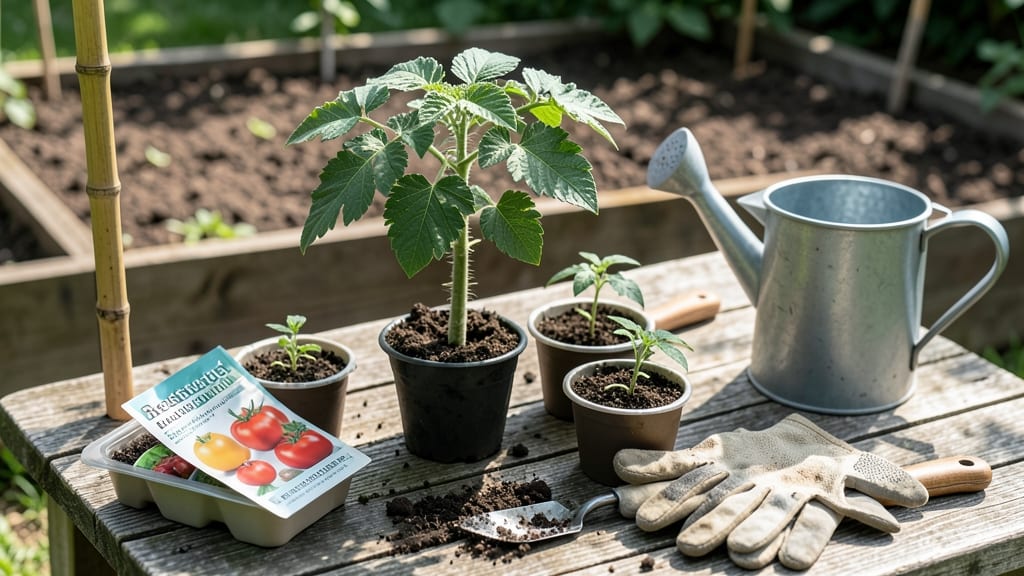
Planting beefsteak tomato seeds indoors gives you a head start on juicy, 1-pound monsters that dwarf store-bought varieties. 🌱 I've learned the hard way that these giants need perfect conditions from day one—or they'll grow leggy and weak.
The secret starts with the right soil mix, sowing depth, and warmth that tricks seeds into thinking spring has arrived. Most beginners overwater or bury seeds too deep, which kills germination before it begins.
You'll want a light, sterile seed-starting mix (no garden soil), planting seeds just ¼ inch below the surface, and keeping them warm at 70-80°F.
A heating mat makes all the difference—my first batch without one took three weeks to sprout, while the second batch with one popped up in 5 days. Once those first green leaves appear, you'll need bright light (or a grow bulb) to prevent spindly seedlings.
I use a south-facing window with a reflective tray underneath to bounce extra light onto my trays. The goal is stocky, dark-green plants with strong stems that can support those heavy beefsteaks later.
This method works year-round, even in cold climates, and gives you 4-6 weeks of growing power before transplanting. The key is patience—those first true leaves signal it's time to get serious about light and feeding. Let's get those seeds sprouting!
📚 In This Guide
- What you need
- Instructions
- Tips and common mistakes
- Wrapping up and next steps
What you need
- ● Beefsteak tomato seeds: 3–5 seeds (or more if you’re eager to experiment—just thin later!)
- ● Seed-starting trays or small pots: 2–4 inches deep (biodegradable pots are eco-friendly!)
- ● Seed-starting mix: Lightweight, sterile, and well-draining (avoid garden soil—it’s too dense!)
- ● Grow lights or a sunny windowsill: 12–16 hours of light daily (south-facing windows work if natural light is strong).
- ● Spray bottle with water: For gentle hydration (tap water is fine, but avoid over-saturating!).
- ○ Plastic wrap or humidity dome: Keeps moisture in until seeds sprout (optional but helpful!).
- ○ Heat mat (optional): Speeds up germination (70–80°F is ideal for beefsteak seeds).
- ● Fertilizer (balanced, water-soluble): ¼ strength once seedlings sprout (e.g., 10-10-10 or 5-5-5).
- ● Grow light timer: Automates light cycles for consistency.
- ● pH test kit: Ensures your soil is slightly acidic (6.0–6.8 for tomatoes).
- ● Plant labels or markers: Track varieties (especially if growing multiple types!).
- ● Fungicide (preventative): Like neem oil or copper spray to ward off damping-off.
Step-by-step instructions for planting beefsteak tomato seeds indoors
Here's my foolproof method for coaxing beefsteak tomatoes from tiny seeds into vigorous, sun-loving plants.
🌱 Step 1: Prepare Your Growing Containers and Soil Mix
Fill clean 2-3 inch deep seed-starting trays with a sterile seed-starting mix—never garden soil, which compacts and invites disease. I like to use biodegradable pots because they let me transplant without disturbing those delicate roots. Moisten the mix until it feels like a damp sponge, squeezing gently to check for even moisture.
Press the soil down lightly so it's firm but not packed. You want to eliminate air pockets while keeping the mix loose enough for roots to push through easily. I run my finger along the bottom edge to create a slight ridge—this helps water pool at the base where roots need it most.
🌱 Step 2: Sow Seeds at the Perfect Depth and Spacing
Plant 2-3 seeds per cell at a depth of about ¼ inch—roughly the size of the seed itself. Sowing too deep makes seedlings struggle to reach light, while planting too shallow risks drying them out. I use a toothpick to make tiny holes and drop seeds in one at a time, then cover lightly with a pinch of soil.
Mist the surface gently with a spray bottle until the soil looks evenly damp but not soaked. A heavy watering will wash seeds deeper than intended. I like to label each cell with the variety and date—after a week of identical green sprouts, you'll forget which is which!
💧 Step 3: Create Ideal Germination Conditions
Cover the tray with a clear humidity dome or plastic wrap to trap warmth and moisture. Beefsteak seeds germinate fastest at 75-85°F, so I use a seedling heat mat underneath. Expect sprouts in 7-14 days—patience is key here, especially if your home runs cooler.
Check daily but resist watering until you see condensation on the dome's underside. Once 50% of seeds have sprouted, remove the dome immediately—trapped humidity invites damping-off, a fungal disease that collapses stems overnight. You'll know conditions are right when the soil stays evenly moist without glistening.
☀️ Step 4: Provide Light and Prevent Leggy Growth
The instant seedlings break through the soil, they need 14-16 hours of light daily. A south-facing window rarely provides enough intensity, so I use a full-spectrum LED grow light positioned 2-4 inches above the plants. Raise it as they grow to maintain that gap—leggy seedlings with pale stems mean your light is too far away.
Strong seedlings have thick stems, deep green color, and leaves spaced close together. If stems grow thin and stretch toward the light, lower the grow light immediately. You'll see dramatic improvement within 24 hours—watch those little plants plump up and stand tall!
✂️ Step 5: Thin and Harden Off Before Transplanting
When seedlings show 2-3 true leaves (the second set after the initial cotyledons), thin to the strongest plant per cell. Use scissors to snip unwanted seedlings at soil level—pulling risks disturbing roots of remaining plants. Water gently after thinning to settle the soil around the base.
Two weeks before your last frost date, start hardening off by placing seedlings outside in a sheltered spot for 1-2 hours the first day. Gradually increase time daily until they tolerate a full day outside. You'll know they're ready when they bounce back from a full sun day without wilting. Transplant on an overcast afternoon for the best results.
Tips & tricks for perfect beefsteak tomato seedlings
Here's what nobody tells you about transforming those tiny seeds into robust tomato plants that'll feed you all summer.
Soil Prep Secret: Before filling your seed-starting trays, give the sterile seed-starting mix a light fluffing with your fingers. This creates tiny air pockets that improve drainage while keeping the mix loose enough for those delicate roots to explore. I like to add a pinch of perlite to the mix—just 10% by volume—to boost aeration without sacrificing moisture retention. This simple step prevents the dreaded "black mold" that can kill seedlings before they even sprout.
Germination Temperature Matters: Those beefsteak seeds need consistent warmth at 75-85°F to germinate reliably. If your home runs cooler, place your seedling heat mat under a cardboard box—it creates a mini greenhouse effect that traps warmth. I've seen germination rates jump from 50% to nearly 90% just by adding this extra insulation. Pro tip: Place a thermometer near the tray to monitor temps—anything below 70°F and germination slows dramatically.
Lighting Strategy: When positioning your full-spectrum LED grow light, start with it 3-4 inches above the seedlings. As they grow, raise it incrementally—about ½ inch per week—to maintain that 2-4 inch gap. I use a simple clothespin to hang the light and adjust it easily. Watch for those "leggy" seedlings with pale stems and stems that stretch toward the light—this is your signal to lower the light immediately. You'll notice the difference within 24 hours as those stems thicken and leaves darken.
Harden Off Gradually: That first day of hardening off with just 1-2 hours outside can be nerve-wracking. Start with a shaded spot under a tree or on your porch where they'll get dappled sunlight. I like to use a small fan on low setting near them during this time—it mimics wind conditions they'll face outdoors and strengthens their stems. Gradually increase time outside by 1 hour each day, but if you notice wilting, they're not ready yet. The goal is to build resilience, not shock them.
Pro Tips for Plant Beefsteak Tomato Seeds
- Here's what nobody tells you about transforming those tiny seeds into robust tomato plants that'll feed you all summer.
- Soil Prep Secret: Before filling your seed-starting trays, give the sterile seed-starting mix a light fluffing with your fingers.
- Germination Temperature Matters: Those beefsteak seeds need consistent warmth at 75-85°F to germinate reliably.
Frequently asked questions
Got questions about growing beefsteak tomatoes from seed?
You’re not alone! Here are answers to the most common queries to help you grow like a pro.
When is the best time to start beefsteak tomato seeds indoors?
Start seeds 6–8 weeks before your last frost date—typically February or March in most climates. Beefsteak varieties need extra time to mature, so don’t rush! Use a seed-starting heat mat (70–85°F) for faster germination. If you’re in a warm zone, you can start slightly later (April–May).
How long does it take for beefsteak tomato seeds to germinate?
Germination usually takes 5–14 days, depending on moisture and warmth. Keep soil consistently moist (not soggy) and maintain 70–85°F for best results. If seeds don’t sprout in 2 weeks, they may need more warmth or fresh soil. Pro tip: Label your trays—patience pays off!
Can I plant beefsteak tomato seeds directly outside instead of starting indoors?
While possible, direct sowing isn’t ideal for beefsteak tomatoes because they’re slow to mature. If you must, wait until soil is at least 60°F and after the last frost. Plant seeds ½ inch deep and keep them moist. However, indoor starts give you a 2–4 week head start and stronger seedlings.
Why are my beefsteak tomato seedlings turning yellow or leggy?
Yellow leaves often mean overwatering, poor drainage, or nutrient deficiency (like nitrogen). Leggy seedlings usually suffer from lack of light. Fix it by:
- Moving seedlings to a sunny window or grow light (14–16 hours/day).
- Using well-draining soil and watering only when the top inch is dry.
- Fertilizing lightly with a balanced seedling formula (5-5-5) after true leaves appear.
Pinch off the bottom leaves if they’re touching damp soil to prevent disease.
What’s the best temperature for hardening off beefsteak tomato seedlings?
Hardening off (acclimating seedlings to outdoor conditions) takes 7–10 days. Start by placing them in 50–60°F shade for a few hours, then gradually increase sun exposure and time. Avoid below 40°F—it can shock tender seedlings. If nights are chilly, use row covers or a cold frame for extra protection.
Wrapping up and next steps
Growing beefsteak tomatoes from seed is a rewarding journey that starts with patience and ends with juicy, homegrown goodness! 🌱 By following these steps—from soaking seeds to transplanting seedlings—you’re setting the stage for a thriving vine that’ll feed your family for months.
Remember, even the most experienced gardeners started with their first seedling, so don’t hesitate to dive in.
Now that you’re armed with the know-how, take the next step: grab those seeds, prep your starter kit, and get growing! Whether you’re a beginner or a seasoned gardener, every seed you plant is a step toward a bountiful harvest. Happy planting—your future beefsteak tomatoes are waiting! 🍅✨