
Planting
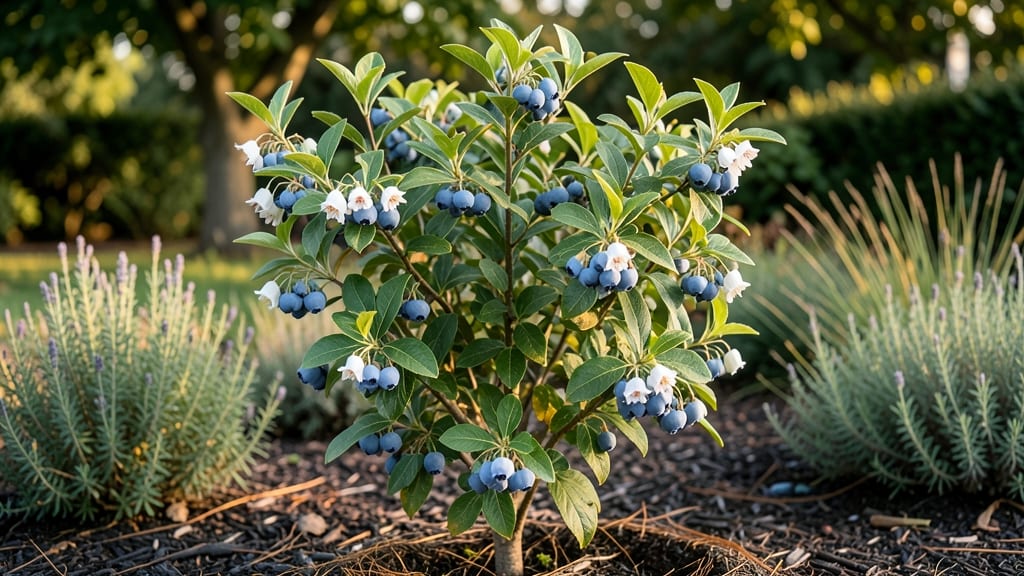
Planting Biloxi blueberries means sweet, low-maintenance harvests in just two years—if you nail the soil and sunlight. 🌱 I’ve grown this variety for five seasons, and its compact size and cold hardiness make it perfect for small gardens or containers.
The key is mimicking its native acid-loving conditions, which most gardeners overlook. This southern-bred blueberry thrives in 6-8 hours of sun daily and soil with a pH between 4.5 and 5.5.
Amend your garden with peat moss or sulfur if your soil tests higher—Biloxi’s roots will thank you with earlier and heavier fruit than northern varieties. Water deeply once a week during dry spells, keeping the roots consistently moist but never soggy.
By summer’s end, you’ll see vibrant green canes loaded with clusters of tiny white flowers that’ll become your first harvest the following year. Prune in late winter to remove dead wood and open the center for better airflow—this keeps bushes productive for decades with minimal effort.
Works in zones 5 through 10, making it one of the most adaptable blueberries for home growers. Let’s get those roots in the ground!
📚 In This Guide
- What you need
- Instructions
- Tips and common mistakes
- Wrapping up and next steps
What you need
- ● Blueberry Biloxi Plants: 3–5 healthy bare-root or container-grown plants (choose southern highbush varieties for optimal Biloxi performance).
- ● Well-Draining Soil: A mix of peat moss (or coconut coir), sand, and compost (ratio: 2:1:1). Test soil pH—Biloxi thrives in acidic soil (pH 4.5–5.5).
- ● Organic Mulch: Pine needles or wood chips (3–4 inches deep) to retain moisture and acidify soil.
- ● Slow-Release Fertilizer: Acid-loving plant fertilizer (e.g., 8-3-9 or 10-10-10 with sulfur). Apply sparingly—Biloxi prefers lean soil.
- ● Watering Can or Hose: With a fine spray nozzle for gentle hydration.
- ● Pruning Shears: Sharp, sterilized shears (or loppers for mature bushes).
- ● Garden Gloves: Heavy-duty for protection while handling soil and plants.
- ● Soil pH Test Kit: To monitor acidity levels (Biloxi hates alkaline soil!).
- ● Drip Irrigation System: For consistent moisture without overwatering.
- ● Bird Netting: To protect ripe berries from hungry birds!
- ● Epsom Salt (Magnesium Sulfate): A natural boost for soil acidity and plant health.
- ● Compost Tea: For a nutrient-rich soil amendment (brew at home!).
Step-by-step instructions for planting blueberry Biloxi bushes
Here's how I plant Biloxi blueberries for maximum yield—no fuss, just results.
🪴 Step 1: Choose the Perfect Planting Spot
Biloxi blueberries thrive in full sun—at least 6-8 hours daily—but tolerate light shade in hot climates. I always test the soil pH first using a kit; Biloxi needs 4.5-5.5 for best fruit production. If your soil runs higher, amend with sulfur (follow package rates) and retest in 2-3 months.
Dig a hole twice as wide as the root ball but only as deep. The plant's graft union (visible bump near the base) should sit 1-2 inches above soil level—this prevents root rot. Loosen the sides of the hole thoroughly; compacted soil restricts root spread and stresses young plants.
🌱 Step 2: Prepare the Soil and Plant
Mix the excavated soil with 2-3 inches of organic compost and a handful of peat moss (or pine fines) to lower pH naturally. Biloxi roots are shallow but extensive—spread the amended soil evenly in the bottom of the hole. Gently remove the plant from its container and tease apart any circling roots with your fingers.
Position the plant so the graft union faces outward (not buried). Backfill with the amended soil, tamping lightly every 2 inches to eliminate air pockets. Water deeply to settle the soil—you'll see the roots begin to spread within days. Mulch with 3 inches of pine needles (or shredded bark) to maintain acidity and suppress weeds.
☀️ Step 3: Water and Fertilize for First-Year Growth
Keep the soil evenly moist for the first 6-8 weeks—Biloxi roots establish slowly. Water deeply 2-3 times weekly (more in extreme heat) until new growth appears. I use a drip irrigation system on a timer to avoid overhead watering, which spreads fungal diseases. Avoid wetting the leaves entirely.
In early spring, apply a balanced fertilizer (10-10-10) at half-strength to encourage foliage growth. Biloxi bushes are heavy feeders but sensitive to excess salts—never fertilize if the soil is dry. By late summer, switch to an acid-loving plant fertilizer (like 8-3-9) to support root development for next year's fruit.
✂️ Step 4: Prune and Maintain Through Seasons
Prune in late winter (just before buds swell) to shape the bush and remove dead or crossing branches. Biloxi produces fruit on new wood, so I cut back one-third of the oldest canes each year to stimulate new growth. Use clean, sharp shears and make cuts at a 45-degree angle just above an outward-facing bud.
Monitor for blueberry maggots (tiny white larvae in fruit) and mummy berries (dried, shriveled fruit). Remove affected berries immediately and dispose of them in sealed bags. Biloxi bushes are generally low-maintenance, but I've found that annual soil tests and pH adjustments keep production consistent for decades.
🍇 Step 5: Harvest and Plan for Next Year
Biloxi ripens 2-3 weeks earlier than most varieties—watch for deep blue color and easy detachment from the stem. Harvest in morning hours when berries are coolest for best flavor. I pick every 2-3 days to prevent overripe fruit from attracting pests. Store in the fridge for up to 10 days or freeze for longer storage.
After harvest, spread 2-3 inches of fresh mulch around the base (but not touching the trunk) to protect roots in winter. Biloxi bushes are hardy to Zone 5, but young plants benefit from a thick layer of straw mulch in cold climates. Mark your calendar for next year's pruning—consistency is key to keeping these bushes productive for 50+ years.
Tips & tricks for perfect blueberry Biloxi planting
These small adjustments make all the difference between a struggling bush and a thriving, fruit-filled Biloxi blueberry.
Sunlight Strategy: While Biloxi tolerates light shade, I've found that positioning the bush within 6-8 feet of the southern exposure maximizes sunlight hours. If your yard has afternoon shade, place the bush on the north side of structures to capture morning sun—this is when Biloxi bushes photosynthesize most efficiently. In hot climates, a 50% shade cloth during peak afternoon sun (2-4 PM) prevents leaf scorch while still allowing adequate light.
Soil pH Precision: The 4.5-5.5 pH range is non-negotiable for Biloxi, but achieving it takes patience. I've learned that aluminum sulfate works faster than sulfur for quick pH drops, but it's more aggressive—start with half the recommended dose and retest soil every 4 weeks rather than the full 2-3 months. For organic gardeners, cottonseed meal (1/2 cup per plant) gradually lowers pH over time without risk of over-acidification.
Watering Wisdom: The critical 6-8 week establishment period requires consistency. I set up a soaker hose on a timer for 15 minutes every morning to deliver 1 inch of water weekly—this mimics natural rainfall patterns. The key is keeping the root zone moist without waterlogging; Biloxi roots suffocate in soggy soil. A simple test: stick your finger 2 inches deep—if it feels dry, water again.
Pruning Pro Tip: When removing one-third of oldest canes in late winter, I mark them with colored tape the previous fall. This visual cue prevents accidental removal of productive wood. For the remaining canes, I make my 45-degree cuts just above a bud that faces outward—this encourages vigorous, upright growth. Never prune in fall; Biloxi needs its foliage to photosynthesize through winter for next year's fruit.
Pro Tips for Blueberry Plant Biloxi
- These small adjustments make all the difference between a struggling bush and a thriving, fruit-filled Biloxi blueberry.
- Sunlight Strategy: While Biloxi tolerates light shade, I've found that positioning the bush within 6-8 feet of the southern exposure maximizes sunlight hours.
- Soil pH Precision: The 4.5-5.5 pH range is non-negotiable for Biloxi, but achieving it takes patience.
Frequently asked questions
Got questions about growing Blueberry Biloxi? You’re not alone—this hardy, low-maintenance variety is a favorite, but even pros need a refresher now and then! Here are answers to the most common queries to keep your bushes thriving with confidence.
How long does it take for Biloxi blueberries to produce fruit after planting?
Patience is key! Blueberry Biloxi bushes typically take 2–3 years to bear fruit after planting, though some may produce sparse berries in the first year. Proper care—like consistent watering and acidic soil—speeds up the process. Pro tip: Mulch heavily (3–4 inches) to protect roots and encourage faster growth!
When is the best time to plant Biloxi blueberries in my region?
Timing matters! Plant in late fall or early spring (before bud break) for optimal root establishment. In warmer climates (Zones 7–9), late fall planting avoids summer heat stress. Biloxi thrives in cooler seasons, so avoid planting in scorching summer months. Check your USDA Hardiness Zone for precision.
Why aren’t my Biloxi blueberries ripening evenly?
Uneven ripening often stems from inconsistent pollination or nutrient imbalances. Biloxi is self-pollinating but benefits from cross-pollination—plant a second variety nearby (like Premier or Tifblue). Also, check for calcium deficiency (leaf edges curl) or over-fertilizing with nitrogen, which delays fruit development. Balance your soil with lime-free fertilizer!
What pests or diseases should I watch for with Biloxi blueberries?
Biloxi is disease-resistant, but pests like blueberry maggots or spider mites can still strike. Preventative tips:
Biloxi adapts well to containers if you follow these rules:
Monitor leaves and fruit closely—early action keeps your bushes healthy!
Can I grow Biloxi blueberries in containers? If so, what’s the ideal setup?
Container Size
Soil Mix
Drainage
At least 15–20 gallons (5-gallon minimum for dwarfs).
Acidic, peat-based mix (pH 4.5–5.5) with perlite.
Drill holes + add a gravel layer at the bottom.
Wrapping up and next steps
Growing a Blueberry Biloxi plant is a rewarding journey that combines minimal effort with delicious results! 🌱 With the right soil, sunlight, and care, you’ll enjoy a bountiful harvest year after year. Whether you’re a beginner or seasoned gardener, this hardy variety makes blueberry cultivation simple and satisfying.
Ready to dive in? Start by gathering your supplies, prepping the soil, and planting your Biloxi bushes—then watch your garden flourish! Happy planting, and may your blueberry bushes thrive! 💙