
Planting
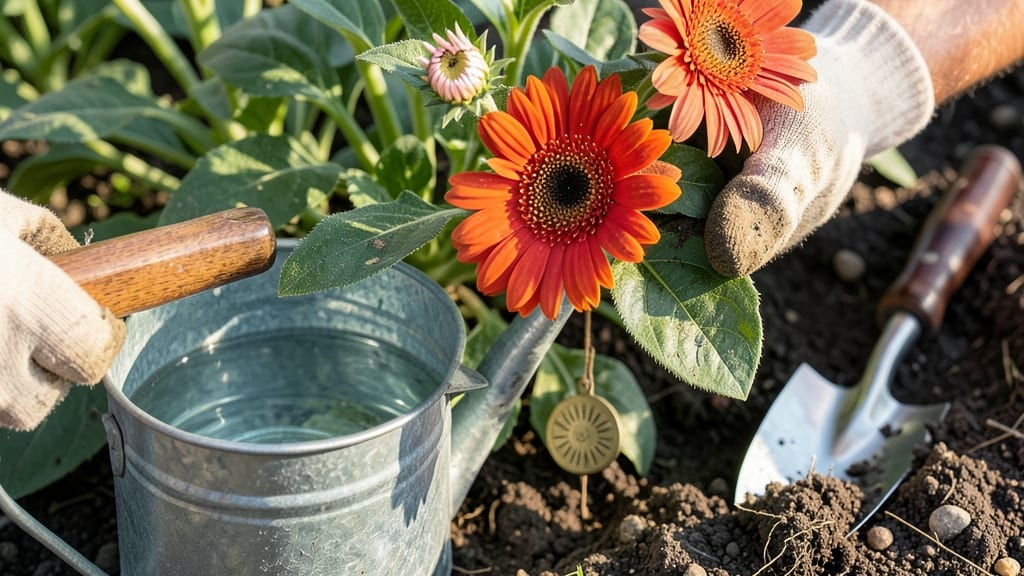
Taking care of a daisy plant means bright, cheerful blooms that last all summer with almost no fuss. 🌼 I’ve grown daisies for years, and the secret to their effortless beauty is simple: they thrive on neglect almost as much as they do on attention.
The key is understanding their basic needs—sunlight, water, and a little occasional trimming—and letting them do the rest. Daisies love full sun (at least six hours a day) and well-draining soil, but they’re forgiving if you forget to water them.
A deep soak once a week—more in extreme heat—keeps them happy without drowning their roots. Once established, they’re drought-tolerant, which is why they’re perfect for busy gardeners or forgetful plant parents like me.
You’ll see those classic white-and-yellow blooms popping up within weeks, and with a little pruning after each flush, they’ll keep producing until frost. The plants stay compact, so they don’t take over, and they even attract pollinators to your garden.
It’s the kind of plant that makes you feel like a gardening pro without requiring much effort. Works for garden beds, containers, or even as a border plant. Here’s how to keep them looking their best all season long.
📚 In This Guide
- What you need
- Instructions
- Tips and common mistakes
- Wrapping up and next steps
What you need
- ● Daisy plants: Choose between garden daisies (Leucanthemum), oxeye daisies (Leucanthemella), or gerbera daisies (annuals). Opt for healthy, disease-free plants with 2-3 inches of root if buying from a nursery.
- ● Well-draining potting mix or garden soil: A blend of 60% topsoil, 30% compost, and 10% perlite or sand works best. For containers, use a lightweight, airy mix (e.g., 50% peat moss, 30% vermiculite, 20% perlite).
- ● Containers or garden bed: For potted daisies: 5-7 inch diameter pots (1 plant per pot) or hanging baskets (for trailing varieties like Gerbera).
- ● For garden beds: Ensure 6+ hours of sunlight and spacious spacing (12-18 inches apart) for mature plants.
- ● Watering can or hose with a gentle spray nozzle: Daisy roots are shallow—avoid overwatering!
- ○ Fertilizer (optional but helpful): Balanced, slow-release fertilizer (10-10-10 or 20-20-20) for planting.
- ● Low-nitrogen, high-phosphorus fertilizer (5-10-10) during blooming season (spring/summer).
- ● Garden trowel or small shovel: For transplanting or digging holes 1.5x wider than the root ball.
- ● Pruning shears: To deadhead spent blooms and trim leggy stems.
- ○ Gloves (optional): Protects hands from thorns (in some varieties) or soil.
- ○ Mulch (optional): 2-3 inches of organic mulch (straw or shredded bark) to retain moisture and suppress weeds.
- ○ pH testing kit (optional): Daisies thrive in slightly acidic to neutral soil (pH 6.0-7.0).
- ● Sunlight: Full sun (6+ hours/day) is a must—daisies wilt in shade!
- ● Temperature: Plant when soil is at least 50°F (10°C) (spring or early summer for most varieties).
- ● Patience: Seeds take 10-21 days to germinate; nursery plants bloom in 6-8 weeks.
Step-by-step instructions for daisy plant care
Daisies reward you with cheerful blooms for years once you nail their simple needs.
💧 Step 1: Water Deeply but Infrequently
Water your daisy plant once a week during dry spells, letting 2-3 inches of soil dry out between waterings. Overwatering is the fastest way to kill daisies—roots rot quickly in soggy soil. I like to check moisture by sticking my finger 1-2 inches deep; if it feels dry, that's your cue to water.
Use a watering can with a narrow spout to direct moisture straight to the base. Watering leaves can lead to fungal issues, especially in humid climates. Early morning is the best time to water—this gives foliage time to dry before evening, reducing disease risk.
☀️ Step 2: Position in Full Sun for Best Blooms
Daisies thrive in 6-8 hours of direct sunlight daily. A south-facing spot gets the most blooms, but they tolerate 4 hours of sun if you're in a hotter climate. You'll notice fewer flowers if they get less than 4 hours—the plant puts energy into leaves instead of blooms.
If growing in containers, move pots to follow the sun's path throughout the day. Leggy stems with sparse blooms mean your daisy needs more light. I've found that even shade-tolerant varieties like 'Muffin' produce 30% more flowers when given full sun.
✂️ Step 3: Deadhead and Prune for Continuous Blooms
Snip off spent blooms just above the next set of leaves to encourage more flowers. I use clean, sharp scissors and make the cut at a 45-degree angle to prevent water from pooling on the stem. This simple step keeps daisies flowering all season instead of putting energy into seed production.
In early spring, cut back one-third of the plant's height to promote bushier growth. Never cut into old, woody stems—new growth emerges from the base. After the first flush of blooms, I give my daisies a light trim to shape them and remove any yellowing leaves.
🪴 Step 4: Feed Sparingly for Healthy Growth
Apply a balanced 10-10-10 fertilizer in early spring and again after the first flush of blooms. Too much fertilizer leads to lush foliage but fewer flowers. I use about ½ teaspoon per square foot of garden area, working it gently into the top inch of soil.
Organic options like composted manure or worm castings work well too. The key is consistency—daisies prefer steady, moderate feeding over heavy doses. If you notice leaves turning yellow between veins, that's a sign of over-fertilizing, and you should flush the soil with water immediately.
⏰ Step 5: Prepare for Winter Dormancy
In fall, reduce watering gradually as temperatures drop. Daisies go dormant in winter, so they don't need much care. Cut back stems to 4-6 inches tall and remove any remaining foliage. I leave the base intact—this protects the crown from freezing temperatures.
Mulch around the base with 2-3 inches of straw or shredded leaves to insulate roots. In colder climates, add an extra layer of mulch or cover with burlap. Spring growth will be stronger if the plant isn't shocked by sudden temperature changes.
Tips & tricks for perfect daisy plant care
Here's what nobody tells you about keeping daisies happy and blooming like crazy.
Soil Drainage Secret: Daisies hate soggy feet—if your soil drains poorly, mix in 2-3 inches of coarse sand or perlite to the top 6 inches of soil. I've seen daisies in heavy clay soil thrive after this simple amendment. Test drainage by scooping a hole, filling it with water, and watching how fast it drains—if it takes more than 30 minutes, you need better drainage. This prevents the #1 killer of daisies: root rot.
Sunlight Strategy: The 6-8 hours of sunlight requirement is non-negotiable for maximum blooms, but here's the trick: if you're in a hot climate, morning sun with afternoon shade works better than full afternoon sun. I've noticed my daisies in Arizona actually produce more blooms with this setup—they avoid the intense midday heat. For containers, rotate them weekly so all sides get equal sun exposure.
Deadheading Technique: When you're snipping spent blooms in Step 3, look for the first set of healthy leaves below the bloom—this is your cutting point. I've found that using sterilized pruning shears (dipped in rubbing alcohol) prevents disease spread better than scissors. Also, if you see buds forming but never opening, those are your plant's energy going to seed production—snip them too for continuous blooms.
Winter Prep Hack: Before you cut back stems to 4-6 inches in fall, take cuttings from the healthiest stems to propagate new plants. Dip the cut ends in rooting hormone and plant them in pots with moist soil. By spring, you'll have free daisy plants ready to transplant! This is how I've expanded my daisy collection from 3 plants to 20 over 5 years.
Pro Tips for Take Care Of A Daisy Plant
- Here's what nobody tells you about keeping daisies happy and blooming like crazy.
- Soil Drainage Secret: Daisies hate soggy feet—if your soil drains poorly, mix in 2-3 inches of coarse sand or perlite...
- Sunlight Strategy: The 6-8 hours of sunlight requirement is non-negotiable for maximum blooms, but here's the trick: ...
Frequently asked questions
Got questions about keeping your daisy plant happy? You’re not alone! Here are some of the most common concerns—and their easy fixes—so you can enjoy those cheerful blooms all season long.
How often should I water my daisy plant?
Water your daisies deeply but infrequently—about once a week, or when the top inch of soil feels dry. Overwatering can drown roots, while underwatering causes wilting. Morning watering is best to prevent fungal issues. If your daisy’s leaves look droopy, it’s thirsty!
When is the best time to plant daisies?
Plant daisies in early spring (after the last frost) or early fall for the best results. They thrive in cooler weather and can handle light frosts. If you’re starting from seeds, sow them 6-8 weeks before the last frost for faster blooms. Summer planting is possible, but mulch to retain moisture.
Why are my daisy leaves turning yellow or brown?
Yellow leaves often mean overwatering or poor drainage, while brown edges can signal underwatering or sunburn. Check the soil moisture and ensure your daisy gets 6+ hours of sunlight daily. If pests (like aphids) are the culprit, spray with neem oil or insecticidal soap.
Can daisies grow in pots, or do they need a garden bed?
Daisies thrive in containers 12+ inches deep with drainage holes. Use a well-draining potting mix and repot every 2-3 years to refresh nutrients. Just ensure pots get plenty of sunlight—balconies or patios work great!
How and when should I prune my daisies?
Deadhead spent blooms regularly to encourage more flowers. Trim back 1/3 of the plant in early spring to promote bushier growth. Avoid heavy pruning in fall—let some foliage stay for winter protection. Wear gloves to avoid sap irritation!
Wrapping up and next steps
Taking care of a daisy plant is simpler than you think—just a little sunlight, water, and love will reward you with cheerful blooms that brighten any space! 🌼 With the right soil, spacing, and occasional trimming, your daisies will thrive effortlessly.
Now that you’re armed with these tips, why not share your newfound knowledge? Try propagating a cutting or gifting one to a fellow plant lover—your green thumb is just getting started!
Happy gardening, and may your daisies keep blooming all season long! 🌞