
Planting
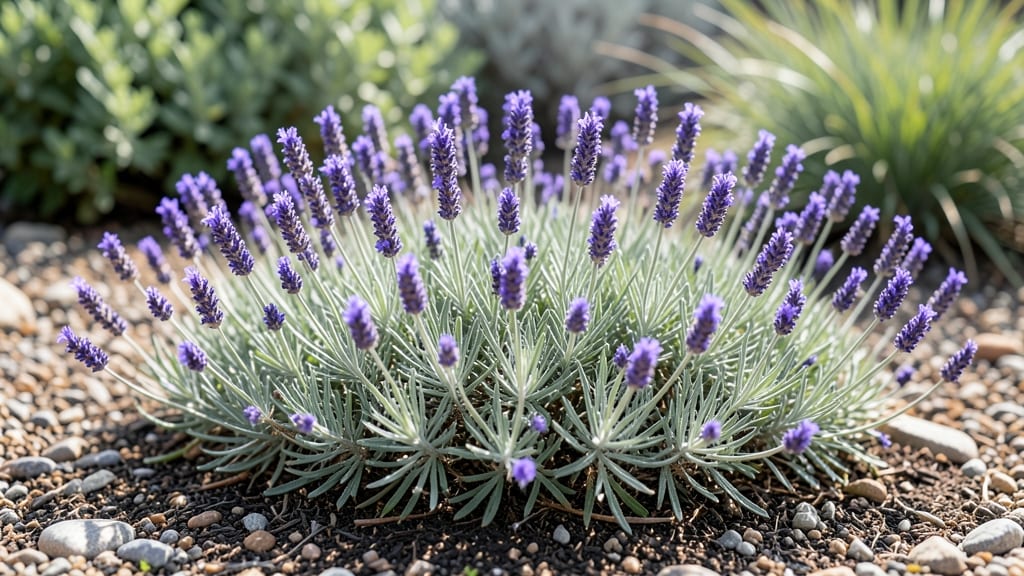
My blue lithodora perennial plant transforms dry, sunny spots into pockets of cool blue magic. 💙 This drought-tolerant beauty thrives where most plants would wilt, with delicate lavender-blue flowers that bloom from late spring through summer.
The secret lies in its Mediterranean roots—it loves hot, dry conditions and well-drained soil that mimics its natural habitat. Planting is simple: choose a sunny location with at least 6 hours of direct sun, and mix coarse sand or gravel into your soil to improve drainage.
Once established, it barely needs water—just enough to keep the roots from drying out completely. The key to long-term success is pruning spent flowers in early summer to encourage a second flush of blooms.
You'll end up with a low-maintenance plant that spreads gently over time, creating a stunning groundcover or border. Pair it with lavender, sedum, or ornamental grasses for a Mediterranean-inspired garden that stays vibrant even in dry spells.
The fragrance of its flowers adds an extra touch of charm to any sunny spot. For experienced gardeners, try dividing mature clumps every 3-4 years to keep the plant vigorous. In colder zones, protect it with a light mulch in winter—though it often survives with just a dusting of snow.
This plant proves that beauty and resilience go hand in hand.
📚 In This Guide
- What you need
- Instructions
- Tips and common mistakes
- Wrapping up and next steps
What you need
- ● Blue Lithodora plants: 1–3 nursery-grown plants (6–12 inches tall, depending on desired coverage)
- ● OR 1 packet of Lithodora fruticosa seeds (collected fresh or purchased from a reputable supplier)
- ● Well-draining soil: 50% native soil (sandy loam ideal)
- ● 30% perlite or coarse sand (for aeration)
- ● 20% compost or peat moss (for nutrients)
- ● Garden tools: 1 trowel or hand shovel
- ● 1 garden fork (for amending soil)
- ● 1 pair of pruning shears (for trimming)
- ● Mulch: 2–3 inches of gravel or pebbles (to retain moisture and deter weeds)
- ● Watering can or hose with a gentle spray nozzle
- ● Organic fertilizer: Balanced 10-10-10 or slow-release granular fertilizer (1 tbsp per plant)
- ● Soil pH tester (ideal pH: 6.0–7.5)
- ● Plant markers (to label Lithodora varieties)
- ● Drip irrigation system (for automated watering)
- ● Slow-release fertilizer spikes (for minimal maintenance)
- ● Garden gloves (to protect hands from rough soil)
Step-by-Step instructions for planting and caring for blue lithodora
Here's how to establish these drought-resistant beauties for years of effortless blue blooms.
🌱 Step 1: Choose the Perfect Sunny Spot
Blue lithodora thrives in full sun to partial shade, with at least 6 hours of direct sunlight daily. Scout your garden for a location with well-draining soil—this plant despises soggy roots. I always test drainage by digging a 6-inch deep hole and filling it with water; if it drains within an hour, it's perfect.
Look for areas with sheltered afternoon breezes—lithodora's delicate stems can flop in strong winds. A spot near a south-facing wall or fence works beautifully. The key is balancing sun exposure with protection; too much wind stress will stunt those vibrant blue flowers before they even open.
🪴 Step 2: Prepare the Soil for Optimal Growth
Amend your native soil with compost or well-rotted manure to improve fertility while maintaining excellent drainage. I mix in about 2-3 inches of organic matter into the top 12 inches of soil for each plant. Lithodora prefers leaner conditions than many perennials, so avoid heavy amendments.
Loosen the soil to a depth of 12-15 inches with a garden fork, breaking up any compacted layers. The roots need room to spread horizontally. For containers, use a mix of 50% potting soil and 50% perlite or coarse sand to replicate that well-draining environment. A simple scratch test—digging a 1-inch deep hole and seeing dry soil within 24 hours—confirms proper drainage.
☀️ Step 3: Plant at the Right Depth and Spacing
Dig holes twice as wide as the root ball but only as deep as the container—planting too deep suffocates the crown. Gently remove the plant from its container and tease apart any circling roots. Space plants 18-24 inches apart to allow for mature spread while preventing overcrowding.
Place each plant in its hole and backfill with native soil, pressing lightly to eliminate air pockets. Water deeply to settle the soil and encourage root contact. You'll know you've done it right when the soil surface looks slightly domed around the base—this prevents water from pooling during irrigation. Mulch with 2 inches of gravel or coarse sand to conserve moisture and deter weeds.
💧 Step 4: Water Deeply but Infrequently
Water newly planted lithodora deeply once a week for the first 4-6 weeks, allowing the top 2-3 inches of soil to dry completely between waterings. This establishes strong root systems that can handle drought later. Overwatering is the fastest way to kill these plants—yellowing leaves signal you're watering too much.
Once established, blue lithodora becomes remarkably drought-tolerant. I water mine only when the soil feels bone-dry 3-4 inches down. The plant's silvery foliage is nature's way of telling you it's thirsty—wait until you see those leaves start to crisp slightly before watering again. This tough love produces the most vibrant blue blooms.
✂️ Step 5: Prune and Maintain for Continuous Blooms
Deadhead spent flowers regularly to encourage more blooms throughout the season. I snip off faded blooms with clean pruners just above the next set of leaves. This prevents the plant from setting seed and redirects energy into new flower production. Prune lightly after the first flush of blooms to shape the plant and remove any leggy stems.
In early spring, cut back any dead or damaged growth to about 2 inches above the ground. This rejuvenates the plant and promotes fresh growth. Lithodora rarely needs heavy pruning—just a light tidying keeps it looking its best. The plant's natural growth habit means you'll spend more time admiring those stunning blue flowers than working on maintenance.
Tips & tricks for perfect blue lithodora planting
These simple strategies will help you establish healthy, thriving blue lithodora that rewards you with stunning blooms for years to come.
Sunlight Secret: While lithodora thrives in full sun, I've found that morning sun with afternoon shade produces even more vibrant blooms—especially in hot climates. If your garden gets intense afternoon heat, consider planting near a north-facing wall where it gets morning sun but stays cooler later in the day. The 6 hours of sunlight requirement is non-negotiable, but timing matters too!
Drainage Test: Don't skip the drainage test in Step 1—it's the single most important factor for lithodora success. I've seen plants die within weeks when planted in soil that drains too slowly. For containers, add an extra layer of perlite to the bottom before adding your potting mix to create a built-in drainage reservoir. This prevents water from pooling at the roots.
Planting Depth: The "as deep as the container" rule in Step 3 is crucial—planting too deep suffocates the crown and can lead to rot. I always check the root flare (where the roots meet the stem) should sit just above soil level. If your container has no visible root flare, plant so the top of the root ball sits flush with the surrounding soil.
Watering Wisdom: The 4-6 week establishment period in Step 4 is your window to build strong roots. I've learned the hard way that skipping this period leads to weak plants that struggle later. Use a moisture meter to check soil moisture at the 2-3 inch depth—this is more reliable than guessing by feel. Once established, let that soil dry completely between waterings; the plant's silvery leaves will tell you when it's truly thirsty.
Pro Tips for Blue Lithodora Perennial Plant
- These simple strategies will help you establish healthy, thriving blue lithodora that rewards you with stunning blooms for years to come.
- Sunlight Secret: While lithodora thrives in full sun, I've found that morning sun with afternoon shade produces even more vibrant blooms—especially in hot climates.
- Drainage Test: Don't skip the drainage test in Step 1—it's the single most important factor for lithodora success.
Frequently asked questions
Got questions about growing blue lithodora perennials? You're not alone!
Here are answers to the most common queries—from planting tips to troubleshooting—so you can enjoy those stunning blue blooms with confidence.
When is the best time to plant blue lithodora?
The ideal time to plant Lithodora is in early spring or early fall when soil temperatures are mild. This gives roots time to establish before extreme heat or cold. If planting in summer, water deeply and mulch to prevent stress—this drought-tolerant plant still appreciates a helping hand during its first season!
How much sunlight does blue lithodora need daily?
Lithodora thrives in full sun to partial shade (6+ hours of sunlight), but in hot climates, morning sun with afternoon shade prevents leaf scorch. For containers, place them in bright, indirect light. Too little light? Expect fewer blooms—this plant rewards sun with vibrant blue flowers!
How often should I water blue lithodora once established?
Once established, Lithodora is drought-tolerant—water every 2–3 weeks during dry spells. New plants need weekly watering until roots take hold. Overwatering? Avoid soggy soil; this Mediterranean native hates "wet feet." Let the top inch of soil dry out between waterings for best results.
Are there pests or diseases I should watch for with blue lithodora?
This hardy plant is pest-resistant, but keep an eye out for aphids or spider mites (especially in dry conditions). Treat infestations with neem oil or insecticidal soap. Fungal issues like powdery mildew can occur in humid climates—ensure good air circulation and avoid overhead watering to prevent problems.
Can I grow blue lithodora in containers? What’s the best soil mix?
Use a well-draining potting mix with added perlite or sand (e.g., 50% cactus/succulent mix + 50% grit). Containers should have drainage holes—Lithodora hates soggy roots. Repot every 2–3 years to refresh the soil, and choose pots with 12+ inches of depth for mature plants.
Pro Tip:
Deadhead spent blooms to encourage more flowers and prune lightly after flowering to maintain shape. Lithodora is low-maintenance but rewards attention with nonstop color!
Wrapping up and next steps
Adding blue lithodora to your garden is a game-changer—its vibrant blooms and resilience make it a standout perennial that’s effortlessly beautiful and tough. Whether you’re a seasoned gardener or just starting, this drought-tolerant star thrives with minimal fuss, rewarding you with months of stunning blue color and pollinator-friendly charm.
Ready to elevate your landscape? 🌿
Your next step? Pick a sunny spot, gather your supplies, and plant with confidence—your garden will thank you! For extra flair, pair it with lavender or ornamental grasses for a show-stopping blue-hued display.