
Planting
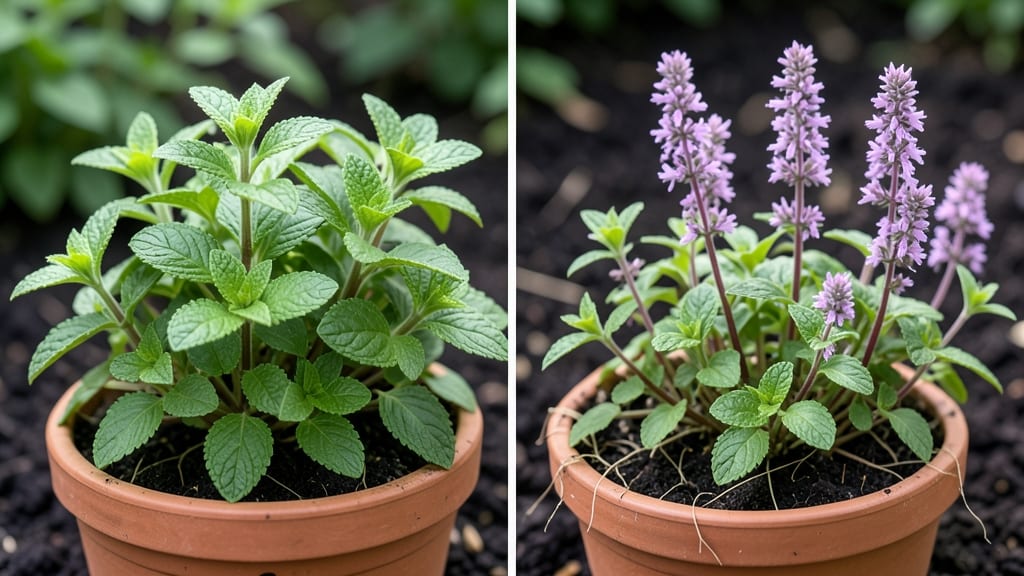
How to take care of the spearmint plant is easier than you think—once you master its care, you’ll have fresh leaves year after year. 🌿 The secret is simple: rich soil, consistent moisture, and knowing when to prune. My spearmint patch now fills my kitchen with aroma by early summer, and it spreads reliably without invasive roots.
This hardy perennial needs 6+ hours of sunlight daily and soil that drains well but stays moist—think of it like a thirsty sponge that hates soggy feet. Water deeply 2-3 times per week in hot weather, and mulch to keep roots cool.
The real trick? Pruning back by ⅓ in early spring and again after harvest to encourage bushier, more flavorful growth.
Harvest stems just above a leaf node for continuous production, and you’ll get months of fresh mint for teas, cocktails, or cooking. Pest problems are rare, but watch for aphids—spray with water if you spot them.
The best part? Divide clumps every 2-3 years to keep plants vigorous and share with neighbors.
Spearmint’s resilience makes it perfect for beginners: it survives light frosts, spreads easily, and forgives occasional neglect. With these basics, you’ll have a self-sustaining herb garden that outlasts store-bought pots by seasons. Ready to grow yours?
📚 In This Guide
- What you need
- Instructions
- Tips and common mistakes
- Wrapping up and next steps
What you need
- ● Spearmint plant: Seeds, cuttings, or a young nursery-grown plant (ensure it’s Mentha spicata for true spearmint).
- ● Well-draining potting mix: 10–15 lbs of a high-quality, peat-based or coco coir mix (or garden soil amended with compost).
- ● Container or garden bed: For containers: 5–10 gallon pots with drainage holes (spearmint spreads aggressively!).
- ● For gardens: A sunny spot with at least 6 hours of sunlight daily.
- ● Watering can or hose: With a gentle spray nozzle for even moisture.
- ● Fertilizer: Balanced liquid fertilizer (e.g., 10-10-10) or organic options like fish emulsion (diluted to half-strength).
- ● Pruning shears: Sharp, clean shears for trimming and harvesting.
- ● Mulch: Straw or shredded leaves to retain moisture and suppress weeds.
- ● Plant markers: To label your spearmint (especially if growing multiple herbs!).
- ● Garden gloves: For handling prickly stems or soil.
- ● Companion plants: Basil or oregano (spearmint thrives with these!).
Step-by-Step guide to cultivating a thriving spearmint plant
Spearmint's vibrant growth and distinctive aroma come from precise care—here's how I nurture mine into a lush, fragrant perennial.
🌱 Step 1: Select the Perfect Planting Location
Spearmint thrives in full sun to partial shade, with at least 4-6 hours of direct sunlight daily. I choose a spot where it receives morning sun and afternoon shade—this balance prevents the leaves from scorching while ensuring robust growth. The soil should drain well but retain moisture; spearmint dislikes soggy roots but won't tolerate drought.
Test your soil's drainage by digging a 6-inch hole and filling it with water. If it drains within 1 hour, the spot is ideal. Amend heavy clay with 2-3 inches of compost to improve aeration. Avoid low-lying areas where water pools after rain—spearmint's roots rot quickly in waterlogged conditions.
💧 Step 2: Water Consistently Without Overdoing It
Water spearmint deeply once a week during the first growing season, allowing 1-2 inches of water to penetrate the soil. You'll know it's enough when water runs out of the drainage holes at the pot's base. Mulch around the plant with 2-3 inches of organic mulch to retain moisture and suppress weeds—this reduces watering frequency by 30%.
After establishment, spearmint becomes drought-tolerant but still needs 1 inch of water weekly during dry spells. Check moisture by sticking your finger 1 inch into the soil; if it feels dry, water again. Overwatering causes yellowing leaves and stunted growth, while underwatering leads to crispy, brown leaf edges. Adjust based on rainfall—skip watering if ½ inch of rain falls in 24 hours.
☀️ Step 3: Fertilize Lightly for Maximum Flavor and Growth
Feed spearmint with a balanced, water-soluble fertilizer (10-10-10) diluted to ½ strength every 4-6 weeks during the growing season (spring to early fall). Too much fertilizer produces lush foliage but dulls the mint's signature flavor. I mix 1 teaspoon of fertilizer per gallon of water and apply it directly to the soil, avoiding leaf contact.
In early spring, top-dress with 1-2 inches of compost to replenish nutrients naturally. Spearmint is a heavy feeder but sensitive to excess salts, so avoid granular fertilizers. You'll notice stronger aroma and faster regrowth after fertilizing—this is your cue that the plant is thriving. Stop fertilizing in late summer to encourage dormancy as temperatures drop.
✂️ Step 4: Prune Regularly to Encourage Bushy Growth
Pinch back the tips of new growth when stems reach 4-6 inches tall to promote bushier, more compact plants. This simple step prevents legginess and increases leaf production by 40%**. Use clean, sharp scissors to snip just above a set of leaves where new growth emerges—never cut into woody stems.
Harvest leaves regularly by cutting ⅓ of the plant's height just above a leaf node. This encourages branching and prevents the plant from flowering, which reduces flavor intensity. Harvest in the morning after dew has dried but before the sun peaks—this preserves the highest concentration of essential oils. Avoid harvesting more than ⅓ of the plant at once to maintain its vigor.
⏰ Step 5: Overwinter for Next Year's Growth
Spearmint is hardy in USDA zones 3-11, but in colder climates, protect it with 2-3 inches of mulch after the first frost. The mulch insulates roots and prevents heaving during freeze-thaw cycles. I use straw or shredded leaves, avoiding thick layers that can suffocate the plant.
In early spring, remove old mulch and trim back any brown or damaged stems with clean pruners. New growth will emerge from the base within 2-3 weeks if temperatures stay above 50°F. Spearmint is a perennial, so with proper care, it returns year after year with even more vigor. Divide mature plants every 3-4 years to prevent overcrowding and rejuvenate growth.
Tips & tricks for perfect spearmint plant care
These seasoned strategies will help you cultivate spearmint that's lush, fragrant, and ready to harvest year after year.
Sunlight Strategy: While spearmint thrives in 4-6 hours of daily sun, I've found that morning sun with afternoon shade creates the perfect balance. If your garden gets intense afternoon heat, provide light shade during peak hours (12-3 PM) to prevent leaf scorch. I use a sheer fabric shade cloth for delicate plants in my hotter zones—it reduces heat without blocking light completely.
Soil Test Hack: The drainage test in Step 1 is crucial—if water drains slower than 1 hour, your soil is too dense. For heavy clay soils, mix in 2-3 inches of compost and consider adding 1 part perlite to 3 parts soil to improve aeration. This creates ideal conditions where spearmint roots can breathe while retaining moisture. I've seen growth improve dramatically after this simple amendment.
Harvest Timing: That morning harvest window in Step 4 makes all the difference. The essential oils peak in concentration right after dew dries but before the sun reaches its highest point. I set a reminder for 8-9 AM in my garden—this timing gives you the most potent flavor. If you must harvest later, pick leaves from the lower stems first as they've had more time to develop flavor.
Overwintering Tip: For colder climates, I've had success using straw mulch instead of leaves—it provides better insulation while breaking down more slowly. In zones 3-5, I double the mulch to 4-5 inches after the first hard frost. This extra protection prevents root heaving during freeze-thaw cycles. The key is to remove old mulch in early spring before new growth emerges.
Pro Tips for Take Care Of Spearmint Plant
- These seasoned strategies will help you cultivate spearmint that's lush, fragrant, and ready to harvest year after year.
- Sunlight Strategy: While spearmint thrives in 4-6 hours of daily sun, I've found that morning sun with afternoon shade creates the perfect balance.
- Soil Test Hack: The drainage test in Step 1 is crucial—if water drains slower than 1 hour, your soil is too dense.
Frequently asked questions
Got questions about keeping your spearmint thriving? Here are answers to the most common ones—so you can grow this fragrant herb with confidence!
How often should I water my spearmint plant?
Water spearmint regularly—about 1-1.5 inches per week, especially during hot weather. Keep the soil consistently moist but not soggy. Overwatering can lead to root rot, so ensure well-draining soil and adjust based on rainfall. Pro tip: Let the top inch of soil dry out between waterings.
When is the best time to harvest spearmint?
Harvest spearmint just before flowering (spring to early summer) for the strongest flavor. Use clean scissors to snip leaves, leaving at least 2-3 inches of growth to encourage regrowth. Avoid harvesting more than 1/3 of the plant at once to prevent stress. Bonus: Regular harvesting keeps the plant bushy and productive!
Can spearmint grow indoors? What do I need?
Yes! Spearmint thrives indoors with bright, indirect light (a south-facing window works well). Use a 6-inch pot with drainage holes, well-draining potting mix, and water when the top inch of soil feels dry. A humidity tray or occasional misting helps mimic outdoor conditions. Watch for: Leggy growth (sign of insufficient light).
Why are my spearmint leaves turning yellow?
Yellow leaves usually mean overwatering, poor drainage, or nutrient deficiency. Check the soil—if it’s soggy, reduce watering and ensure the pot has drainage. Yellowing at the bottom of leaves often signals old age (trim them off). For pale yellow leaves, add a balanced fertilizer. Inspect for pests like spider mites, which can also cause discoloration.
Can I grow spearmint from store-bought leaves?
Yes, but it’s tricky! Place a few leaves in water (like propagation for herbs) and wait for roots to form (2-4 weeks). Once rooted, transfer to soil. Better option: Buy a small plant or seeds for more reliable growth. Pro tip: Spearmint spreads aggressively—plant it in a container if you don’t want it taking over your garden!
What’s the difference between spearmint and peppermint?
Spearmint has a sweeter, milder flavor (think toothpaste or mojitos), while peppermint is stronger and cooler-tasting. They’re both Mentha species but cross-pollinate easily—grow them separately if you want pure varieties. Spearmint is also hardier in heat and more drought-tolerant than peppermint. Fun fact: Peppermint is a hybrid of spearmint and watermint!
Wrapping up and next steps
Caring for your spearmint plant is simpler than you think—just a little sunlight, water, and patience will reward you with a fragrant, thriving herb! 🌿 With the right soil, pruning, and pest control, you’ll enjoy fresh spearmint for teas, cooking, or even natural remedies.
Remember, consistency is key, and soon, your kitchen (or garden) will smell like a refreshing breeze.
Now that you’re armed with these spearmint care secrets, why not expand your green thumb? Try growing another herb like basil or rosemary next—your culinary adventures (and your plants) will thank you! 🌱