
Planting
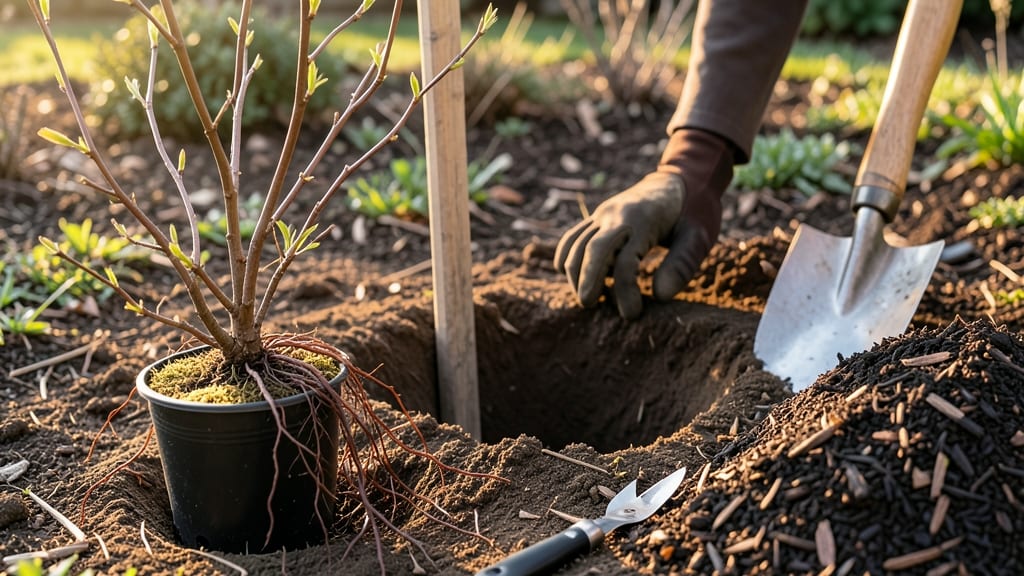
The best time to plant wisteria 🌸 is early spring, after the last frost, or in fall—4 to 6 weeks before your first frost date.
Wisteria vines can transform your garden into a stunning, fragrant retreat—but planting them at the wrong time means weak roots and years of disappointment. Timing is everything, and your USDA zone determines the perfect window for success.
In Zone 6a, like many temperate regions, aim for late March or early April when soil warms to 50°F. Fall planting works too, but only if you get the frost timing right—too early and the roots won’t establish before winter.
Below, I’ll break down the exact months for your zone, how to prep bare-root or container-grown wisteria, and the 3 critical mistakes that stunt growth before it even starts.

USDA zone-specific planting months for wisteria success
Planting wisteria at the right time ensures strong root establishment and vibrant blooms.
The USDA zone you live in dictates the perfect window—cool climates (Zones 4-7) thrive with early spring or fall planting, while warmer zones (8-10) can plant year-round with caution. Root growth is critical: wisteria needs 6-8 weeks of frost-free soil to establish before winter dormancy.
In Zones 4-6, the last frost date is your cue—plant bare-root wisteria in April-May after soil warms to 50°F (10°C).
Fall planting is risky here due to harsh winters; if you choose fall, do so 4-6 weeks before first frost to allow roots to harden. Zone 7 gardeners have flexibility, but spring planting (March-April) is ideal for consistent success.
Wisteria’s root system is delicate when young.
Planting in cool soil (below 60°F/15°C) stunts growth, while hot soil (above 80°F/27°C) risks root burn. Zone 8-10 climates can plant year-round, but fall (September-October) is best to avoid summer heat stress. Container-grown wisteria adapts better to heat but still needs 6+ hours of sun daily.
Microclimates matter! A south-facing wall or urban heat island can push your zone up by 1-2 zones. For example, a Zone 6 gardener near a brick wall might plant in March safely, while a Zone 7 in a shaded yard may delay until April. Always monitor soil temperature with a probe—55°F (13°C) is the minimum for planting.
For bare-root wisteria, soak roots in water for 2-4 hours before planting to rehydrate. Container-grown plants can go in anytime, but spring planting (Zones 4-7) or fall planting (Zones 8-10) yields the best root establishment.
Dig a hole twice as wide as the root ball but only as deep—planting too deep suffocates roots.
In Zones 4-6, late spring planting (June) is possible but risky—young roots may not harden before winter.
Use row covers or mulch to insulate soil. Zone 7-9 gardeners can experiment with summer planting, but water deeply 2-3 times weekly to prevent transplant shock. Zone 10 offers the most flexibility, but avoid peak summer (June-August) due to heat stress.
Pro tip: Test
How to prepare wisteria for planting by season
Preparing wisteria for planting sets the foundation for a thriving vine. Whether you're working with bare-root wisteria or container-grown plants, seasonal adjustments ensure strong root establishment. The key lies in understanding dormancy cycles and soil conditions—both critical for success in USDA Zones 4-10.
Let's break down the essential steps for each season to maximize your wisteria's potential.
Before diving into planting, focus on root health and soil preparation. Wisteria roots are delicate, especially when dormant, so handling them with care is non-negotiable. For spring planting, aim to plant as soon as the ground thaws but before new growth begins.
In fall planting, schedule it 4-6 weeks before the first frost to allow roots to establish before winter dormancy. Each scenario requires unique preparation techniques.
Your Seasonal Wisteria Planting Checklist
- 1 Soil Testing: Test soil pH (ideal: 6.0-7.0). Amend with compost or organic matter for poor drainage.
- 2 Root Pruning: Trim bare-root wisteria roots by 1/3 if overly long. For container-grown plants, gently loosen root ball edges.
- 3 Dormancy Timing: Plant bare-root wisteria in early spring (after last frost) or fall (4-6 weeks before frost).
- 4 Seasonal Adjustments: Spring: Plant after soil warms. Fall: Water deeply before frost to protect roots.
- 5 Support Installation: Install a trellis or arbor at planting time. Wisteria needs vertical support to climb and thrive.
For bare-root wisteria, soak roots in lukewarm water for 1-2 hours before planting to rehydrate them. This step is crucial for reviving dormant roots and kickstarting growth. Meanwhile, container-grown wisteria benefits from a thorough watering the day before transplanting to reduce shock.
Both methods require gentle handling to avoid damaging the root system, which is the plant's lifeline.
Adjust your planting approach based on your USDA zone. In cooler zones (4-6), prioritize fall planting to leverage the natural dormancy period. Warmer zones (7-10) can plant in early spring or late fall, but avoid extreme heat or cold.
Always check your local frost dates to align with the optimal 4-6 week window before or after frost.
After planting, mulch around the base with 2-3 inches of organic mulch to retain moisture and regulate soil temperature. This step is especially important in dry climates or during hot summers.
Water deeply but infrequently to encourage deep root growth. Avoid overwatering, which can lead to root rot—a common issue for newly planted wisteria.
Finally, install a support structure like a trellis, arbor, or pergola at the time of planting. Wisteria vines grow aggressively and need immediate support to climb and thrive.
Without it, the plant may sprawl uncontrollably or struggle to reach sunlight. A sturdy structure also prevents damage from wind and heavy flower clusters.
With these steps, your wisteria will establish strong roots and flourish for years to come. The key to success lies in preparation—soil, timing, and support make all the difference. Happy planting! 🌸